Russia’s lower house approved excise tax hikes that would lift rates about 15.2% by 2029
The budget bill targets fuel, cars, alcohol, tobacco, including beer duties that would rise to 37 rubles a liter
Wednesday, November 25, 2026

Views › 687
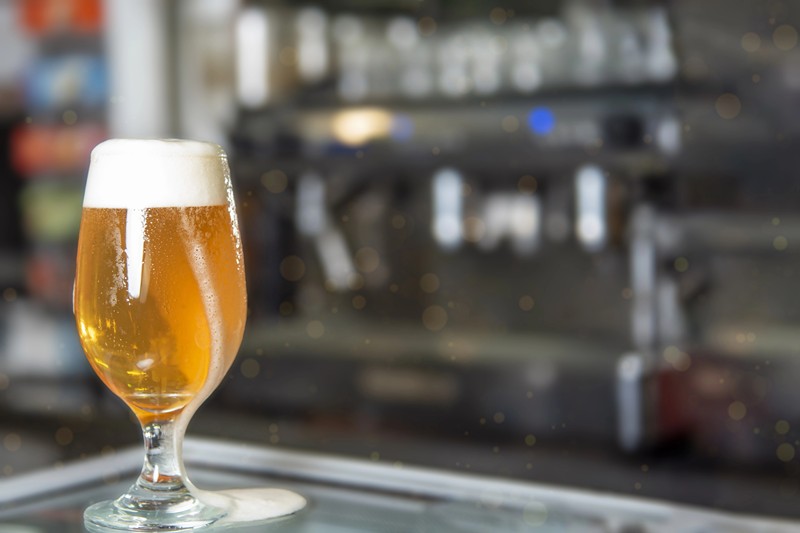
Russia’s State Duma approved a bill on Tuesday, Nov. 24, that would raise excise taxes on fuel, cars, alcohol and tobacco for 2027 through 2029, including higher beer duties that could increase costs for brewers and importers in the Russian market.
The measure, bill No. 617-9, passed in its third reading as part of the federal budget package for the next three years, according to TKS.RU. It still must complete the remaining stages of Russia’s legislative process before it can take effect.
For beer with alcohol content above 0.5% and up to 8.6%, the bill sets excise rates at 35 rubles per liter in 2027, 36 rubles in 2028 and 37 rubles in 2029. Beer above 8.6% alcohol would face rates of 66 rubles per liter in 2027, 69 rubles in 2028 and 72 rubles in 2029.
The same 35, 36 and 37 ruble per liter schedule would apply to cider, perry and mead. Sparkling wine and champagne would be taxed at 170 rubles per liter in 2027, rising to 177 rubles in 2028 and 184 rubles in 2029. Other wines and fruit-based alcoholic products would move from 158 rubles to 164 rubles and then 171 rubles over the same period. Fortified and liqueur wines, as well as alcoholic drinks with strength up to 18%, would be taxed at 176 rubles per liter in 2027, 183 rubles in 2028 and 190 rubles in 2029. Ethyl alcohol and strong spirits would be taxed at 878 rubles per liter of pure alcohol in 2027, 913 rubles in 2028 and 950 rubles in 2029.
TKS.RU said Deputy Finance Minister Alexei Sazanov had previously explained that the plan calls for a 6.5% indexation in 2027 and 4% annual increases in 2028 and 2029. On a cumulative basis, that would lift excise rates by about 15.2% compared with 2026 levels.
Excise taxes in Russia are usually paid by producers, importers and other market participants rather than by shoppers directly at the register. But those taxes are commonly included in retail prices, meaning the changes can feed through to consumer costs over time. In the beer business, that could put pressure on production costs, import economics and pricing decisions, with possible effects on margins if companies cannot pass through the full increase.
The bill covers a wide range of products beyond alcohol. Gasoline, diesel, motor oils, passenger cars, motorcycles, cigarettes, nicotine products and sugar-sweetened beverages would also face higher duties. The breadth of the package means its economic effect could extend well beyond the beverage industry.
Fuel excise increases are among the most closely watched parts of the bill because transport costs influence the price of many goods and services. For Euro 5 gasoline, the excise rate would rise to 19,126 rubles per ton in 2027, 19,891 rubles in 2028 and 20,687 rubles in 2029. Diesel would move to 13,566 rubles per ton in 2027, 14,109 rubles in 2028 and 14,673 rubles in 2029.
TKS.RU noted that when the gasoline rate is converted into liters using a standard density assumption, the excise on Euro 5 gasoline would amount to about 14.34 rubles per liter in 2027 and 15.52 rubles in 2029. That does not mean pump prices would rise by that amount, because the excise is only one part of the retail price and fuel prices are also shaped by crude costs, output, logistics, demand and state regulation.
The bill also raises excise taxes on passenger vehicles based on engine power. Cars with engines up to 90 horsepower would remain at a zero rate. Above that threshold, the duty rises in bands and climbs sharply for more powerful vehicles. For cars with 91 to 150 horsepower, the rate would be 68 rubles per horsepower in 2027, 71 rubles in 2028 and 74 rubles in 2029. For cars with 151 to 200 horsepower, the rate would jump to 653 rubles per horsepower in 2027, then 679 and 706 in the next two years.
That structure can produce sharp differences in total tax liability. TKS.RU reported that a 150-horsepower car would carry an excise of 10,200 rubles in 2027, while a 151-horsepower car would face 98,603 rubles because the higher rate applies to the full engine output, not just the horsepower above the threshold. For commercially imported vehicles from outside the Eurasian Economic Union, the excise also enters the tax base for import value-added tax, increasing the total tax burden further.
On tobacco and nicotine products, the bill would raise the fixed excise on cigarettes to 3,491 rubles per 1,000 units in 2027, 3,631 rubles in 2028 and 3,776 rubles in 2029, while keeping the ad valorem component at 18% of the calculated retail value. The minimum excise would rise to 4,741 rubles per 1,000 cigarettes in 2027, 4,931 rubles in 2028 and 5,128 rubles in 2029. That would put the minimum excise burden on a pack of 20 cigarettes at 94.82 rubles in 2027, 98.62 rubles in 2028 and 102.56 rubles in 2029.
Sugar-sweetened beverages would also be affected. The excise rate would be set at 12 rubles per liter starting in 2027. Russia introduced that tax on July 1, 2023, both to raise revenue and to curb consumption of drinks with high sugar content.
The broader rationale for excise indexation is to preserve budget revenue as inflation erodes the real value of fixed ruble-denominated taxes. Setting rates for three years at a time also gives the government a more predictable revenue path and gives businesses clearer visibility on future tax costs.
Still, the final effect on store prices is likely to vary by product and by company. Producers and sellers can try to pass higher taxes on to consumers, absorb part of the increase through lower margins, or offset some of it through cost cuts elsewhere. In alcoholic beverages, that means the announced beer rates do not translate directly into a matching retail price increase, but they do point to a higher tax burden across the sector if the bill becomes law.