Champagner.com relaunches as a multilingual guide to 2,706 bottles from the French region
The rebuilt site adds profiles for 52 houses, 629 growers, every vintage since 1815 and a sommelier tool
Tuesday, November 17, 2026

Views › 408
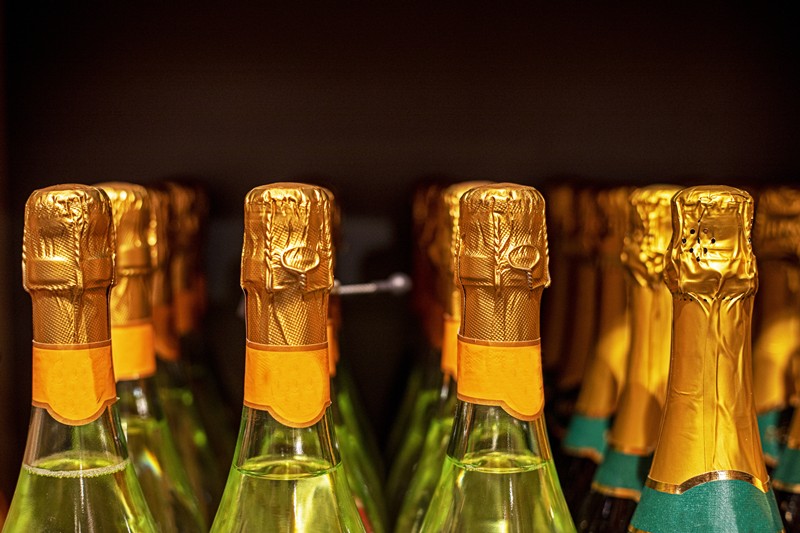
Champagner.com, an independent website devoted to Champagne, has completed a full rebuild after 16 years under the direction of Karl Schnürch, broadening its role as a reference source for wine drinkers, collectors and industry readers seeking information on producers, bottles and the French region itself.
The redesigned site is now available in German, French, English, Spanish and Japanese. The multilingual rollout marks a wider international push for a platform that has focused on Champagne as a specialized subject rather than as part of a broader wine directory.
According to the information released about the relaunch, the site includes profiles for 52 Champagne houses and 629 winegrowers. Each profile includes an address and map, giving users a directory-style tool alongside editorial and reference material. The database also lists 2,706 Champagnes in its catalog, adding a bottle-level layer to the producer information.
The new version also expands its educational features. It includes a lexicon with 270 terms and 256 places in the Champagne region, aimed at helping readers navigate production vocabulary, local geography and the names that appear on labels and in tasting notes. The site also says it covers every vintage since 1815, giving users a long historical timeline for one of the wine world’s most closely watched regions.
Among the additions is a sommelier feature that answers questions based on the site’s body of information. The announcement did not give further technical details, but the feature is presented as a way for users to draw on the site’s catalog, glossary and historical data through direct questions rather than only through searches or browsing.
The rebuilt platform also places emphasis on practical information for buyers and enthusiasts trying to understand individual bottles. For each house, the site provides guidance on how to read the disgorgement date and the bottle code, two details that can help consumers identify production timing and traceability. In Champagne, where release dates and post-disgorgement aging can affect style and value, those details can be important for both casual buyers and experienced drinkers.
Beyond its producer and bottle database, the site includes news from Champagne and a calendar covering festivals, trade fairs and open cellars. That adds an events function to what has otherwise been a reference-focused platform, linking the region’s producers and wines to visits, tastings and public gatherings.
The rebuilt site also includes tasting notes submitted by readers, along with summaries of published tastings. That gives the platform a community layer in addition to its directory and archival functions, while keeping the main focus on structured information about houses, growers, vintages and bottles.