Study Finds Climate Change Is Pushing Australian Wine Growing South
Researchers in Melbourne say some established regions may lose the conditions that shaped their vineyards, increasing pressure to adapt practices or expand into cooler areas.
Tuesday, October 13, 2026

Views › 2342
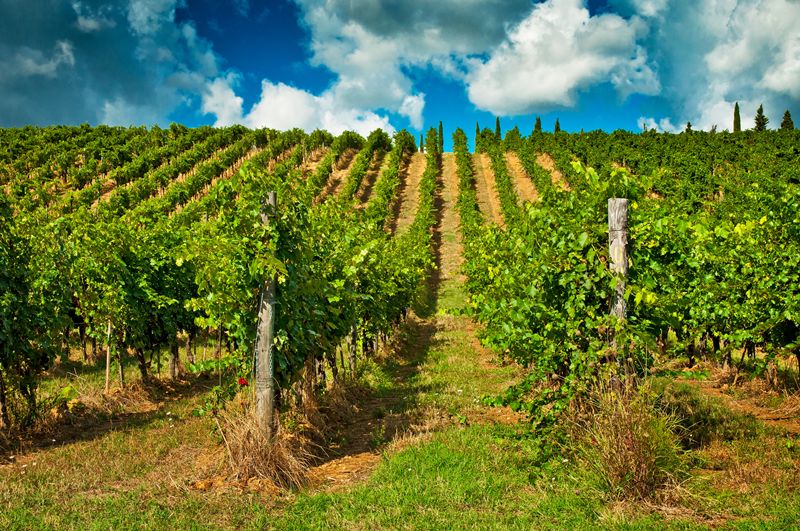
A study from Melbourne is adding to evidence that climate change is reshaping where wine grapes can be grown in Australia and how vineyards will need to operate in the years ahead.
SBS German reported that the research found that some Australian wine regions may no longer have climate conditions comparable to those they have now, while other areas farther south could become more suitable for viticulture. The report also said similar shifts could open new wine-growing areas in northern Europe as temperatures rise.
The findings point to a basic change for a crop that depends heavily on local climate. Grapevines are sensitive to temperature, rainfall, heat spikes and the timing of seasonal changes. Small shifts can affect when vines bud, flower and ripen, and can change grape quality, yields and the style of wine a region is known for.
According to SBS German, the Melbourne study focused on how climate change is altering wine production in Australia. While the outlet did not provide a full technical breakdown in its report, it said the researchers found that some regions would lose climate conditions similar to those that have historically supported their vineyards. At the same time, the study suggested that suitable conditions could move southward.
That kind of geographic shift matters because vineyards are long-term agricultural investments. Growers do not plant vines for a single season. Decisions about where to buy land, which grape varieties to plant and how to design irrigation and vineyard layout can shape production for decades. If climate patterns continue to move, producers may have to reconsider whether current vineyard locations remain viable for the styles and volumes they want to make.
The study also highlights a second challenge for producers already rooted in established regions: adaptation. SBS German said winemakers and growers will need to develop new ways to protect vines. That can mean adjusting vineyard management to reduce heat stress, revisiting water use, changing harvest timing or testing different varieties and rootstocks that can better handle warmer or drier conditions. In some places, adaptation may help preserve production. In others, it may only reduce the pace of change rather than stop it.
For the beverage sector, the implications go beyond farming. Wine producers, grape suppliers, distributors and investors all depend on a stable flow of fruit from known regions. If growing conditions shift, the effects could reach supply planning, sourcing contracts, production costs and the identity of regional wine brands. The study may therefore inform long-term decisions on vineyard location and management, with potential consequences for future wine output and product mix.
Australia’s wine industry has already faced repeated pressure from weather extremes, including heat, drought and changing rainfall patterns. Research like the Melbourne study adds detail to a broader concern in agriculture: climate change does not affect every region in the same way or at the same pace. Some areas may face declining suitability, while others could gain opportunities that did not exist before.
The reference to northern Europe in the SBS German report underscores that the issue is not limited to Australia. As temperatures rise, cooler areas in Europe may become more favorable for grape growing, even as some traditional regions confront increasing stress. That does not mean every new area will immediately become a successful wine region, but it does suggest that the map of viticulture is becoming less fixed than it once seemed.
For Australian producers, that creates a difficult balance. Many of the country’s wine regions have deep commercial value and strong reputations built over generations. Moving production is costly and slow, and growers cannot simply relocate in response to a few warm seasons. But if long-term climate trends continue to alter local conditions, businesses may need to weigh whether adaptation in place is enough or whether expansion into cooler areas becomes part of their strategy.
SBS German said the Melbourne research shows that climate change is no longer a distant issue for viticulture. It is already shaping questions about where grapes can be grown and how vineyards can protect fruit under changing conditions, with the answers likely to influence the future of wine production in Australia.