Nano-encapsulated gibberellic acid increased Thompson Seedless bunch weight 104%.
The biodegradable nanoparticle treatment produced larger berries, sweeter fruit and stronger stems in a table grape trial.
Thursday, October 8, 2026

Views › 3178
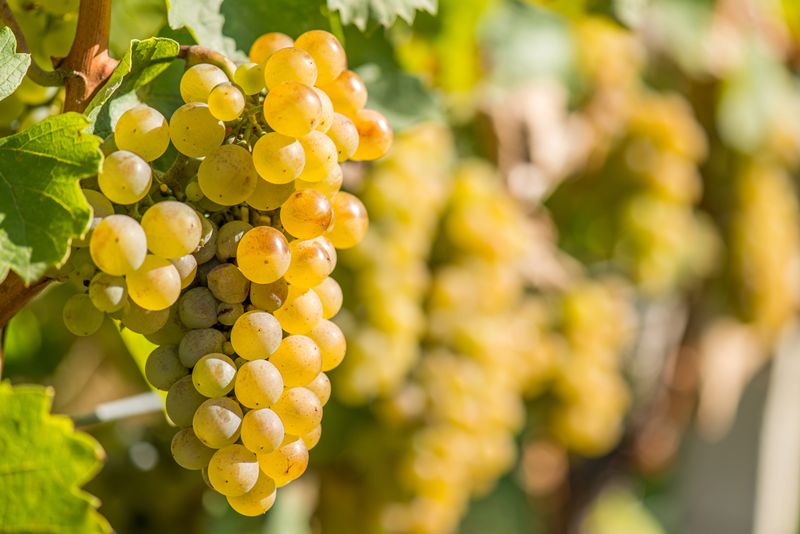
Researchers reported this week that wrapping gibberellic acid in biodegradable polymer nanoparticles improved fruit quality, yield and stem strength in grapevines in a trial on Thompson Seedless table grapes, a result that could point to a more efficient way to apply growth regulators in vineyards.
The findings were published Wednesday in the Journal of the Science of Food and Agriculture. The study compared a nano-encapsulated form of gibberellic acid, also known as GA3, with conventional application methods. According to the paper, the nanoparticle-based treatment increased the hormone’s bioavailability and was linked to larger fruit, higher sugar content and stronger pedicels, the small stems that hold berries on the cluster.
The journal article said the treatment improved crop performance without harming vine health. It also said the use of biodegradable polymers may reduce the amount of GA3 needed, which could lower costs and limit environmental exposure compared with standard spraying methods.
In the trial cited by the monitoring summary, bunch weight in Thompson Seedless grapes rose 104% compared with the conventional treatment. That is a large gain for a crop where berry size, cluster appearance and resistance to berry drop are central quality traits, especially in the table grape market.
Gibberellic acid is already widely used in grape production, particularly in seedless table grapes, to improve berry size and cluster structure. What changes in this study is the delivery method. Instead of applying the growth regulator in its usual form, the researchers enclosed it in polymeric nanoparticles designed to release the compound more effectively. The paper said that approach increased the availability of GA3 to the plant and improved the response.
The stronger pedicels described in the study may also matter commercially. Berry drop during handling, packing and transport can reduce saleable fruit and affect appearance at retail. A treatment that improves stem strength while also increasing fruit size and sugar levels would be of interest to growers, exporters and packers if the results hold up under commercial conditions.
The study adds to a broader push in agriculture to use nanotechnology to deliver crop inputs more precisely. Supporters of that approach argue that targeted delivery can improve performance while cutting waste. In this case, the paper said the polymer materials used for encapsulation were biodegradable, an important point in a sector where residue, runoff and input efficiency are under growing scrutiny.
Still, the immediate implications are narrower than the headline result may suggest. The monitored summary said the trial was conducted in Thompson Seedless, a table grape variety, and that wine grapes were not evaluated. That means the findings cannot yet be assumed to apply to grapes grown for winemaking, where growers often manage yield, berry composition and canopy balance differently from table grape producers.
That distinction matters for the beverage business. More efficient use of growth regulators in vineyards could eventually influence grape supply and fruit quality for products tied to the grape sector, including wine and other grape-based beverages. But this study does not show that the method benefits wine grapes, nor does it address whether changes in berry size or sugar content would improve outcomes for fermentation, flavor balance or finished wine quality. Any effect on beverage production remains potential rather than established.
The paper’s main contribution is to show that the delivery system itself may be as important as the active compound. Gibberellic acid is not new, but the study suggests that changing how it reaches the plant can alter the result. The authors said the nano-delivery system enhanced fruit size, sugar content and pedicel strength without negative effects on vine health, and they presented the method as a possible way to optimize the use of plant growth regulators in viticulture.
Questions remain before the approach could move beyond experimental use. Field performance can vary across climates, soils, training systems and varieties. Growers would also want to know how stable the formulation is in large-scale use, how it performs over multiple seasons, whether it changes labor needs, and how regulators in different markets would treat nanoparticle-based crop inputs. Cost will also matter. While the study points to possible savings from using less GA3, adoption would depend on whether the new formulation is affordable and practical in commercial vineyards.
There is also the issue of market fit. In table grapes, larger berries and stronger clusters can be direct selling points. In wine grapes, higher yields or larger berries are not always desirable, depending on the style of wine and the grower’s production goals. That is one reason the absence of a wine grape trial is significant.
Even with those limits, the study offers a concrete example of how precision delivery technologies are moving into specialty crops. For grape growers, the findings suggest that a biodegradable nano-carrier may help existing plant regulators work better than standard applications. Whether that promise extends from table grapes to the broader wine and beverage supply chain will depend on further testing in varieties and production systems that were not part of this research.