Signorello Estate's foreclosure auction moves to Oct. 16
The two-week delay leaves the Napa winery facing a possible forced sale over roughly $37 million in debt.
Tuesday, October 6, 2026
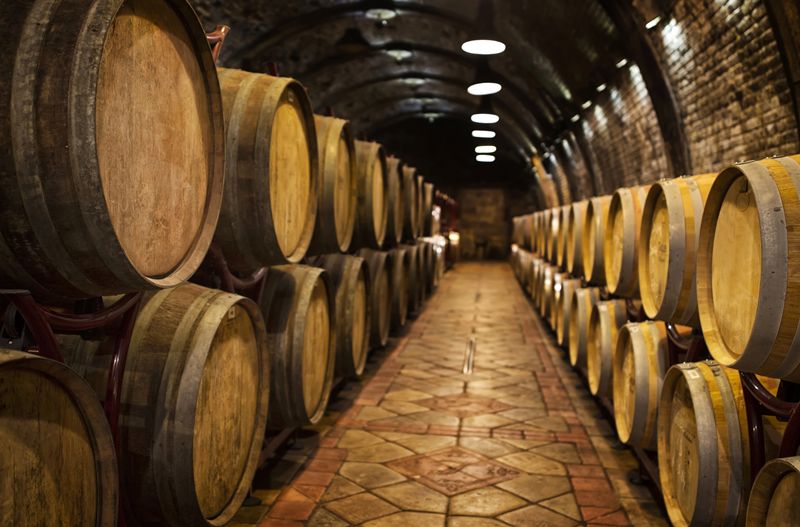
The foreclosure auction of Signorello Estate in Napa Valley has been pushed back by two weeks, giving the winery a short delay but leaving in place the threat of a forced sale over roughly $37 million in debt.
The auction had been scheduled for Oct. 2 and is now set for Oct. 16, according to the timeline described by the winery and its owner. The postponement was requested by the lender, American AgCredit. The delay does not cancel the foreclosure and does not mean the sides have reached a settlement.
The case stands out in Napa, where foreclosures involving premium wine properties are unusual. It also highlights the pressure now facing some high-end winery assets after years of heavy rebuilding costs, higher borrowing expenses and weaker business conditions.
Signorello Estate has been under financial strain since the 2017 wildfire that destroyed much of the property. According to published statements by the winery and its owner, rebuilding the estate cost more than $30 million, about twice the original estimate. At the same time, the interest rate on the winery’s loan rose sharply, moving from 4.75% to 12.6%. That increase of 7.85 percentage points added a major financing burden at a time when the business was still recovering.
Those two factors appear to be at the center of the current dispute. A costly reconstruction left the winery with a larger capital commitment than expected, and the jump in interest rates made the debt more expensive to carry. In Napa, where land, construction and labor costs are already high, that combination can be difficult even for properties that serve the luxury end of the market.
According to statements published by the winery or its owner, some of the estate’s customers tried to step in with purchase proposals. Those reported offers were first for $16 million and later for $20 million. American AgCredit rejected both, according to the same statements. The lender’s reasons for rejecting the offers were not detailed in the material cited by the winery.
The gap between those reported bids and the debt load helps show the difficulty of the situation. Even the higher offer, if accepted, would have fallen well short of the roughly $37 million tied to the property. That leaves open a basic problem in many distressed real estate cases: a property may still attract interest from buyers, but not at a level that satisfies the lender or covers the outstanding obligation.
The postponement keeps that tension unresolved. For Signorello Estate, the extra time could allow for more talks with the lender or with possible buyers. For the lender, the delay preserves the foreclosure process while leaving open the option of a different outcome before the new auction date. Nothing in the postponement itself suggests that a deal is close.
The winery’s financial troubles come at a difficult moment for parts of the California wine business. Producers across Napa and other regions have been dealing with slower demand in some sales channels, high operating costs and borrowing rates far above the levels that prevailed earlier in the decade. For businesses that expanded, rebuilt or refinanced when money was cheaper, the shift has been especially severe.
That backdrop matters in Napa because many estates are built around long-term investment and premium pricing. Owners often spend heavily on vineyards, hospitality facilities and production spaces, expecting that brand value and land scarcity will support the business over time. But when a property also carries a large debt load, a sudden rise in rates can change the economics quickly.
In Signorello’s case, the wildfire recovery appears to have been a turning point. Rebuilding after a catastrophic fire is not only expensive but also slow, and businesses can lose momentum while facilities are out of service or being redesigned. If the final cost also exceeds the original budget by a wide margin, the pressure on cash flow can deepen for years.
The foreclosure process now hanging over the estate is therefore being watched closely in Napa, not only because of the winery itself but because of what it may signal. A premium property facing a public auction underscores how vulnerable even well-known assets can become when high capital spending meets sharply higher financing costs.
For now, the next key date is Oct. 16, when the postponed auction is scheduled to take place unless another delay or a last-minute agreement intervenes. The debt figure, the reported offers and the reconstruction cost cited in the dispute all come from public statements by the winery or its owner, and the postponement leaves the lender’s foreclosure action active as the case moves forward.