Eichbaum Brewery Ends Production in Mannheim After Nearly 350 Years
About 180 employees face dismissal after insolvency proceedings failed to save one of Germany’s oldest brewers.
Thursday, October 1, 2026
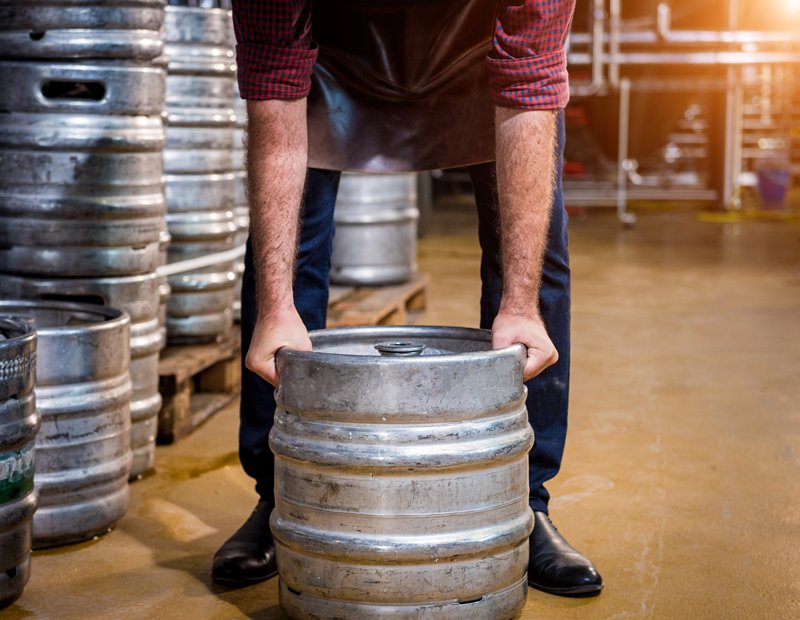
The Eichbaum brewery in Mannheim has stopped production, ending brewing operations at one of Germany’s oldest beer makers after nearly 350 years and leaving about 180 employees facing dismissal.
The shutdown became effective on September 30 after months of insolvency proceedings and a failed rescue effort. According to German public broadcaster SWR, the company’s equipment is now idle and the site has largely ceased operating. Layoff notices were issued on Tuesday and Wednesday to around 180 workers, while some employees were released from duties immediately.
A smaller group of about 30 employees will remain for now to handle the final stages of the wind-down. Their work will include receiving returnable bottles, completing insolvency-related accounting and arranging the sale or scrapping of machinery and other equipment. The remaining staff are expected to stay on through the coming months, in many cases until the end of the year, while the liquidation is carried out.
The brewery’s works council chair, Vanessa Crucetta, told SWR the situation has been difficult for the workforce after a long period of uncertainty. Since Eichbaum filed for insolvency last October, employees had moved between hopes of a rescue and the possibility of closure as talks with investors continued without a solution. She said the drawn-out process had weighed heavily on workers and that many were exhausted by the time production finally stopped.
A labor agreement and social plan were signed last Friday, and employees were informed during a staff meeting before the dismissals began, according to SWR. Crucetta said the notices at least brought clarity, even if it was not the outcome workers wanted. She said many employees would now remain with the company only until their notice periods expire.
Eichbaum has long been tied to Mannheim’s industrial identity, and the closure marks the loss of a major manufacturing operation in the city even though the brand itself will continue. Park & Bellheimer, a brewery based in Rhineland-Palatinate, took over the rights to the Eichbaum brand on October 1. It plans to produce several Eichbaum beers at its own facilities using the original recipes.
That means Eichbaum beer will remain on the market, but no longer be brewed in Mannheim for the time being. SWR reported that a smaller brewing operation could eventually be created on the current site in Mannheim, though no concrete details have been made public. The future use of the brewery grounds remains open, and the University Hospital Mannheim has also shown interest in the area, according to the broadcaster.
For workers, the continuation of the label under a different owner has not eased the sense of loss around the closure of the plant itself. Crucetta told SWR that, in her view, the people behind the brewery were central to what made Eichbaum what it was. She said that with the end of operations in Mannheim, more than a production site was being lost.
The closure also triggered a regional effort to help affected employees find new work. Crucetta said many companies had contacted Eichbaum with job offers for laid-off staff. Openings were posted daily for employees, and labor groups including the food and hospitality union NGG and IG Metall organized placement efforts. Germany’s federal employment agency also worked with employers’ groups to support the transition.
Crucetta said some employees had already found new positions, though the search may take longer for others. She said the works council would continue passing on job offers as they arrive. The support from other businesses in the region, she said, showed how closely Eichbaum had been associated with Mannheim.
The end of brewing at the Mannheim plant closes a long chapter for a traditional German brewery that had survived for centuries but could not survive its latest financial crisis. What remains now is the dismantling of the operation, the transfer of the brand to a new producer and the loss of an industrial employer that had been part of the city for generations.