South Australia Pledges A$109 Million to Help Wine Growers Exit Unviable Vineyards
The package centers on an A$100 million loan program for growers after years of oversupply depressed grape prices.
Friday, September 18, 2026
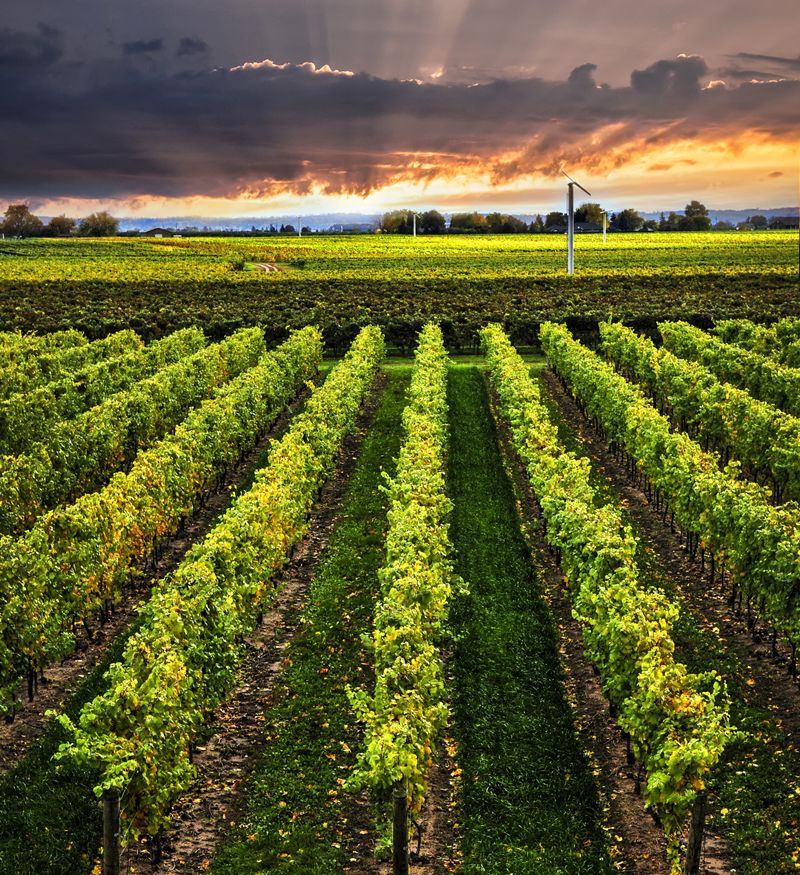
The South Australian government said on Friday it will put A$109 million into a wine industry support package aimed at helping growers move away from unviable vineyards, lift export demand and manage a long period of oversupply that has weighed on grape prices and regional incomes.
The package, announced by Primary Industries and Regions South Australia, comes as the state’s wine sector faces several pressures at once. The government said the industry, valued at A$2.4 billion, has been dealing with excess global supply, weaker grape returns, changing consumer demand and broader market strain. It said the sector produces 80% of Australia’s premium wine and supports more than 90,000 jobs, making the downturn a major issue for regional communities as well as producers and processors.
Most of the money will go to a new A$100 million government-backed loan program for growers who want to transition vineyards that are no longer commercially sustainable into other, higher-value land uses. Eligible growers will be able to borrow up to A$500,000. Under the plan, no principal or interest payments will be required during the first two years of the loan, a measure designed to give businesses time to restructure before repayments begin.
The government said the package is intended not only to help individual growers but also to guide a broader adjustment in regions where grape supply has outpaced demand. That matters beyond farming alone. In the drinks business, financing for vineyard restructuring, support for excess wine stocks and efforts to build demand overseas could influence grape supply, wine availability, pricing pressure and employment across one of Australia’s largest wine-producing areas. The plan could also affect related parts of the beverage trade, including tourism, distribution and export logistics, if it succeeds in improving sales of South Australian wine abroad.
A further A$5 million will be used to extend and expand the Global Wine Growth Program for another two years. The government said that funding is meant to support international demand for South Australian wine at a time when producers are trying to reduce reliance on weak or oversupplied channels. In addition, A$675,000 has been set aside for an advertising campaign promoting the state’s premium food and wine offerings, with the government linking that effort to tourism growth.
The package also addresses two practical problems tied to the current downturn: vineyard waste and swollen wine inventories. The government said A$2 million will go toward work by state agencies, councils and industry groups on a disposal solution for copper chrome arsenate-treated timber posts, a waste issue that can become more urgent when vineyards are removed or repurposed. That funding includes work toward regional aggregation and storage sites.
Another A$1 million over two years will fund independent diversification planning advice for growers. The aim is to help businesses assess other land use options and make transition decisions with outside support rather than rely only on internal estimates or short-term market signals.
On the inventory side, A$500,000 over two years will be used to assess and develop industry-led responses to surplus wine stocks. The government did not announce a direct intervention in the market for bulk wine or bottled inventory, but the funding suggests officials see stock build-ups as part of the broader challenge facing growers and wineries. Large inventories can tie up cash, pressure prices and delay recovery for both grape producers and winemakers, especially when export demand is uneven.
A new Wine Industry Coordinator will also be appointed. According to the government, that person will work to identify barriers to an orderly industry transition and improve coordination between businesses, government departments and regional stakeholders. The position appears intended to give the sector a central point of contact as multiple programs begin at the same time and as growers weigh whether to stay in grapes, reduce plantings or shift to other uses.
The government also pointed to planning changes in the Riverland, one of the state’s key grape-growing regions. It said the Riverland Economic Recovery Joint Amendment will support winegrowers by making it easier to develop housing and employment land, opening up additional land use opportunities. That measure suggests the state is looking at economic adjustment beyond the vineyard itself, particularly in areas where land values, labor demand and local business activity are closely tied to wine production.
The support package follows consultation with industry groups after a wine industry forum convened by the premier last month, according to the government. The announcement builds on existing state and federal assistance, though Friday’s release focused on the new measures and did not provide a detailed breakdown of earlier programs.
The package reflects how serious the pressure has become for producers in South Australia, where wine is both a major export product and a central employer in regional towns. Years of oversupply can force growers to keep fruit on low returns, leave vineyards underused or consider removal costs that are hard to absorb without outside financing. At the same time, wineries trying to clear inventories face weak pricing power in some markets and changing demand patterns in others.
By combining credit support, export promotion, planning advice and waste management funding, the state is trying to manage both immediate financial stress and longer-term structural change. Whether the measures are enough will depend on how many growers apply for the loans, how quickly land transitions can happen, and whether export and tourism efforts translate into stronger demand for South Australian wine in the next two years.