Rioja Begins Marking 240 Certified Century-Old Vineyards
The wine council says the initiative protects 74.83 hectares of historic vines, making them more visible to visitors.
Friday, August 14, 2026
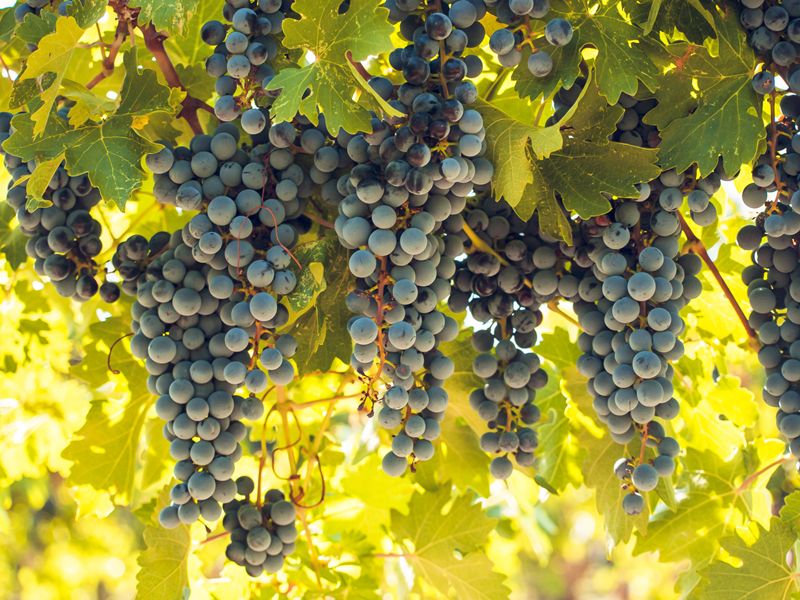
Rioja’s governing wine council has begun a program to identify, certify and mark the region’s century-old vineyards, a move aimed at protecting some of Spain’s oldest surviving vines and turning them into a more visible part of the denomination’s identity and wine tourism offer.
The Consejo Regulador of DOCa Rioja presented the initiative near Elciego, where it installed the first marker for a certified Century-Old Vineyard of Rioja on a parcel planted in 1920. The project closes out five years of technical work to document, audit, georeference and verify old vineyard sites across the appellation, according to the council. It also puts into practice a plan approved unanimously in 2021 to strengthen the role of old and century-old vineyards in Rioja.
The council says Rioja holds the largest concentration of old and century-old vineyard land in Spain. Its latest survey found 8,642 hectares of old vineyards, defined as vines planted in 1980 or earlier, equal to nearly 13% of the denomination’s registered vineyard area. Within that total, the council has certified 240 century-old plots covering 74.83 hectares. It has also identified another 100.62 hectares with a significant presence of very old vines that do not yet meet the threshold for full certification.
Raquel Pérez Cuevas, president of the regulatory council, said the concentration of old vineyards in Rioja is tied to the region’s long focus on quality. In remarks during the presentation, she said the denomination’s reputation was built on a sustained search for excellence, and that this history helps explain why Rioja has preserved such a large vineyard legacy.
Alejandra Rubio, the council’s technical director, said the classification is based on more than age alone. Rioja adopted criteria used by the International Organisation of Vine and Wine, or OIV, under which a vineyard qualifies as century-old when at least 85% of its vines are more than 100 years old. The council said the verified data so far correspond to registered vineyards with planting dates from 1924 or earlier, and that reviews of vineyards planted in 1925 and 1926 are expected to continue.
The work has given Rioja, for the first time, a detailed picture of the extent of its oldest vineyard stock. Beyond rarity, the council is presenting these sites as assets for biodiversity, sustainability, resilience and wine quality. Rubio said century-old vineyards produce less fruit as they age, but that their grapes can offer concentration, balance and complexity that translate into distinctive wines.
Council officials also framed the project as part of Rioja’s response to climate change. Pérez Cuevas said the deep root systems developed over decades allow old vines to reach water and nutrients that younger vineyards cannot access as easily, helping them maintain more stable yields and adapt better to drought and extreme heat. The council added that these vineyards also help preserve traditional landscapes and show a strong capacity to regulate themselves under difficult growing conditions and certain diseases.
The first marked site belongs to grower José Antonio Rubio and lies on the outskirts of Elciego. Covering close to 3,000 square meters, it is planted mainly with Tempranillo and Viura, along with smaller amounts of other traditional Rioja varieties. During the event, the council installed a corten steel monolith designed to blend into the landscape and identify the parcel as a certified century-old vineyard. The council said the marker will now be offered progressively to owners of the other recognized plots.
For growers, the decision to keep these parcels is not always driven by economics. José Antonio Rubio said maintaining a vineyard like his is more a family and emotional commitment than a financial one. He described it as a source of pride for his family and pointed to the stony ground, saying the vines appear to rise out of the rock itself, underscoring the close tie between these old plants and Rioja’s landscape.
The certification program will be backed by new outreach and wine tourism efforts. The council has opened a dedicated section on its website with an interactive map showing the location of georeferenced century-old vineyards and basic information on each certified parcel. Pablo Franco, the council’s director general, said the goal is to make old and century-old vineyards more than a resource known only to growers and producers, and to turn them into a recognizable symbol of Rioja for visitors seeking authenticity, origin and quality.