Puglia Expects a 10% Bigger Wine Grape Harvest in 2026
Coldiretti says healthier vines point to strong quality, but producers still lack contracts and clear price references.
2026-08-12
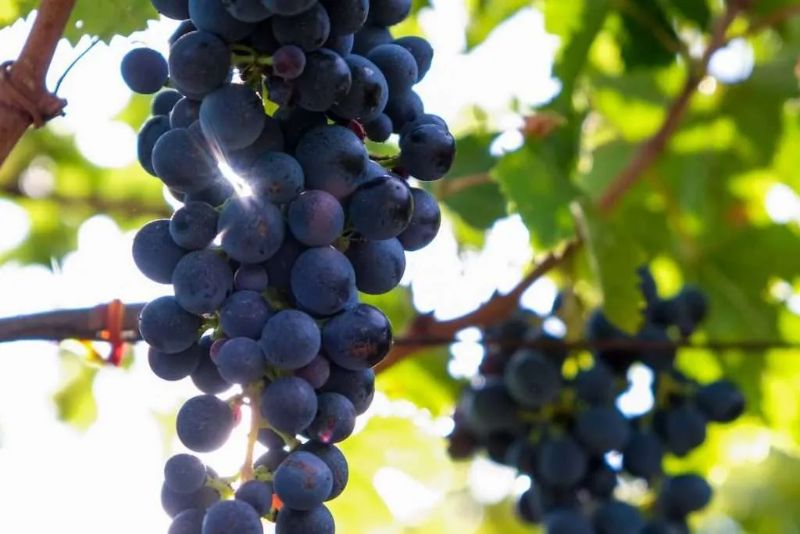
Puglia is heading into the 2026 wine grape harvest with healthier vines and a larger crop than a year ago, but growers still lack firm price signals as the market remains weak, according to an initial forecast released Tuesday by Coldiretti Puglia.
The farm group said wine grape production in the southern Italian region is expected to rise by about 10% from the previous campaign. It described the fruit as sound and the quality outlook as strong after winter and spring rains improved water reserves and helped vineyards enter the ripening phase in better condition, including in lighter soils and areas more exposed to heat stress.
The estimate, dated Aug. 11, is an early one. Coldiretti Puglia did not publish tonnage, hectoliter projections, a varietal breakdown or a detailed methodology. It also did not provide benchmark grape prices or indicate that supply contracts had been finalized, leaving producers without firm commercial references as picking begins.
That gap matters because a larger crop can improve supply for wineries and processors while also increasing pressure on prices and existing stocks, especially at a time of softer demand. Coldiretti Puglia said the region’s growers are facing a market with little momentum even as production costs remain high.
The regional organization’s president, Alfonso Cavallo, said the agronomic picture is encouraging but that the main issue has shifted to the economics of the harvest. He said winter and spring rainfall allowed vineyards to reach maturity under better conditions, but added that the priority now is the market because uncertainty over prices remains high.
Puglia is one of Italy’s most important wine regions by volume, with a production base that ranges from sparkling wine grapes to widely planted reds used in both bottled wines and blends. The start of harvest follows the usual progression of varieties. Coldiretti said the first fruit coming in is destined for sparkling wine bases, with Chardonnay among the earliest grapes picked. Early white varieties are expected next, followed by cultivars with a more staggered ripening pattern. Moscato, Primitivo and Negroamaro will come later, while Nero di Troia, Bombino Nero, Susumaniello and Aglianico are scheduled for the later harvest window between September and October.
The sanitary picture in the vineyards is, for now, broadly positive. Coldiretti Puglia said the main vine diseases are present only to a limited degree and that vineyards are generally clean. At the same time, it warned that growers are still watching invasive insects closely, especially leafhoppers, which have caused problems in recent years because of how quickly they spread and how difficult they were at first to manage. The group said better knowledge of the pest and improved containment strategies have made control more effective, but it continues to describe the insect as an important risk factor.
The bigger concern is what happens after the grapes are picked. Cavallo said producers are dealing with sluggish demand while vineyard management costs remain elevated, including spending on water, crop protection and interventions linked to extreme weather. He called for swift measures to rebalance the market and said one option would be an extraordinary, publicly supported distillation program aimed at reducing stocks and restoring balance along the supply chain.
That proposal reflects the pressure now facing parts of the European wine industry, where inventories and slower sales have collided with higher operating costs. In Puglia, the concern is that a good harvest in agronomic terms may not translate into stronger farm income if grape prices remain weak or undefined at the start of the campaign.
Coldiretti Puglia is also asking for the creation of a wine sector registry that would give authorities and the trade a clearer picture of vineyard area, production, and the region’s full potential. Cavallo described such a tool as essential for building policy on reliable data and for planning production in a way that supports quality and competitiveness.
Pedro Piccioni, the regional director of Coldiretti Puglia, said the area’s wine industry has built a strong base of quality and market recognition over time but is now in a delicate phase because demand has softened and the balance between production and the market has become harder to maintain. He said a harvest with strong quality prospects must be matched by tools that protect company income and the investments growers and wineries have already made.
The organization is pressing for a broader package of support, including action on stocks, help for internationalization, incentives for innovation and environmental sustainability, and financial measures for the companies under the greatest strain. It also pointed to wine tourism as a strategic lever for the region, arguing that visits to wineries and wine areas can help promote local territories, encourage more informed consumption and create an additional source of value for producers.
Coldiretti Puglia also called for simpler bureaucracy to reduce the time and cost tied to producing, promoting and exporting wine from the region. That request comes as many European wine businesses are trying to manage slower trade flows, tighter margins and more volatile weather patterns at the same time.
For now, the most concrete signal from Puglia is in the vineyards rather than in the market. Growers are entering the 2026 harvest with healthy fruit and the prospect of a crop about 10% larger than last year, but without published price references or announced contracts, the commercial outlook remains unsettled just as the region’s first loads of Chardonnay move into the wineries.
