Cantina Terlano Tops a New Global Ranking of Wine Cooperatives
The Alto Adige producer led six Italian cooperatives into the top 20, with Trentino’s Cavit finishing second worldwide.
Tuesday, August 11, 2026

Views › 2534
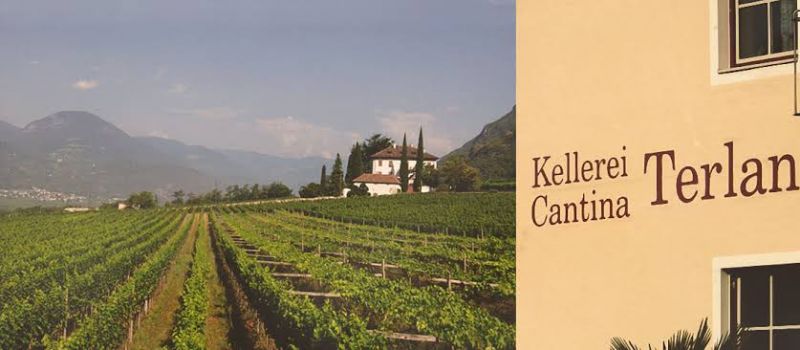
Italian wine cooperatives, led by producers in Alto Adige and Trentino, placed at the top of a new global ranking published Monday by the German trade magazine Weinwirtschaft, a result that underscores the weight of the cooperative model in one of Europe’s most important wine-producing countries.
Cantina Terlano, the Alto Adige winery long associated with ageworthy white wines, was named the world’s best wine cooperative in the magazine’s 2026 contest. Cavit, the large Trentino cooperative, ranked second worldwide. The French cooperative Plaimont was third.
The new ranking gave Italy an especially strong showing in the top 20. In addition to Terlano and Cavit, Cantina Kurtatsch of Alto Adige placed fifth, Cantina Andriano ninth, Cantina Merano 10th and Cantina Bolzano 13th. Cantina Tramin, also from Alto Adige, rounded out the global top 20 in 20th place.
The results point to the prominence of Alto Adige, the small northern region where cooperative wineries play an outsized role in both quality and production. Weinwirtschaft also issued a separate Alto Adige ranking, where Terlano led Kurtatsch, Andriano, Merano and Bolzano. All five were also among the Alto Adige names that entered the world top 20.
Cavit’s position near the top of the global list also drew attention because of its scale. The Trentino group works with 5,250 growers and manages more than 6,000 hectares of vineyards, according to the figures cited in the ranking. That amounts to about 60% of the regional vineyard area, making it one of the largest cooperative systems in Italian wine.
Weinwirtschaft’s Italy-only ranking, which excludes Alto Adige, placed Cavit first among Italian cooperatives. CVA Canicattì, one of Sicily’s larger cooperative wineries, was second, followed by Cantina Valpolicella Negrar, a major name in Amarone and the broader Valpolicella area, in third. Citra Vini of Abruzzo ranked fourth, and Cantine Settesoli of Sicily was fifth.
The rest of the Italian top 10 showed the geographic spread of the country’s cooperative sector. La Guardiense, based in Sannio in Campania, ranked sixth. Cantina Colli del Soligo, a historic producer in the Conegliano Valdobbiadene Prosecco area, was seventh. Cantine Ermes, which began in Gibellina in Sicily and has expanded through owned facilities and partnerships in other regions, ranked eighth. Cantina Vignaioli del Morellino di Scansano, a leading cooperative in coastal Tuscany’s Morellino zone, placed ninth. Cantina Frentana of Abruzzo completed the top 10.
Settesoli’s position in the Italian ranking reflected the size of its vineyard base as well as Sicily’s continuing importance in the cooperative landscape. The winery farms about 5,700 hectares, stretching from vineyards near the coast around Menfi to inland areas near the archaeological park of Selinunte, according to the figures cited by WineNews in reporting on the ranking.
Beyond Italy, the world top 20 included a strong French and German presence. After Plaimont in third place, Alliance de Vignerons Bourgogne Beaujolais ranked fourth, Marrenon sixth and Cave de Tain eighth. Other French cooperatives in the top 20 were Sieur d’Arques in 16th and Estandon in 18th. Germany also placed several names in the ranking, including Weingärtner Cleebronn-Güglingen in seventh, Weinbiet Manufaktur in 11th, Sasbacher Winzerkeller in 12th, Weinmanufaktur Stuttgart in 14th, Lauffener Weingärtner in 15th, Badischer Winzerkeller in 17th and Burkheimer Winzer am Kaiserstuhl in 19th.
The results matter because cooperatives remain a major part of the wine economy in Italy and across Europe. In many regions, they are the main route to market for growers who cultivate small plots and pool their fruit, production and commercial strategy through a shared winery. In northern Italy, and especially in Alto Adige and Trentino, that model has increasingly been linked not only to volume but also to premium quality and long cellar-aging potential.
Terlano’s first-place finish fits that shift. The winery has built an international reputation around white wines designed to evolve over time, a style that has helped separate Alto Adige from many other cooperative regions. The fact that five Alto Adige cooperatives were also the top five in the region-specific ranking suggests that Weinwirtschaft’s judges saw a clear concentration of quality there.
According to the contest organizers, 106 cooperatives from around the world were evaluated through 636 wines entered across categories ranging from entry-level bottlings to premium labels. All samples were tasted blind by an independent jury of industry experts using the international 100-point system. To determine the final standings, the magazine added together the scores of each cooperative’s five highest-rated wines, producing the total that decided its place in the rankings.