Garda DOP Introduces Italy’s First Low-Alcohol DOP Wines
The Lake Garda denomination says the new category answers shifting drinking habits and summer tourism demand as it broadens its commercial reach.
2026-07-06
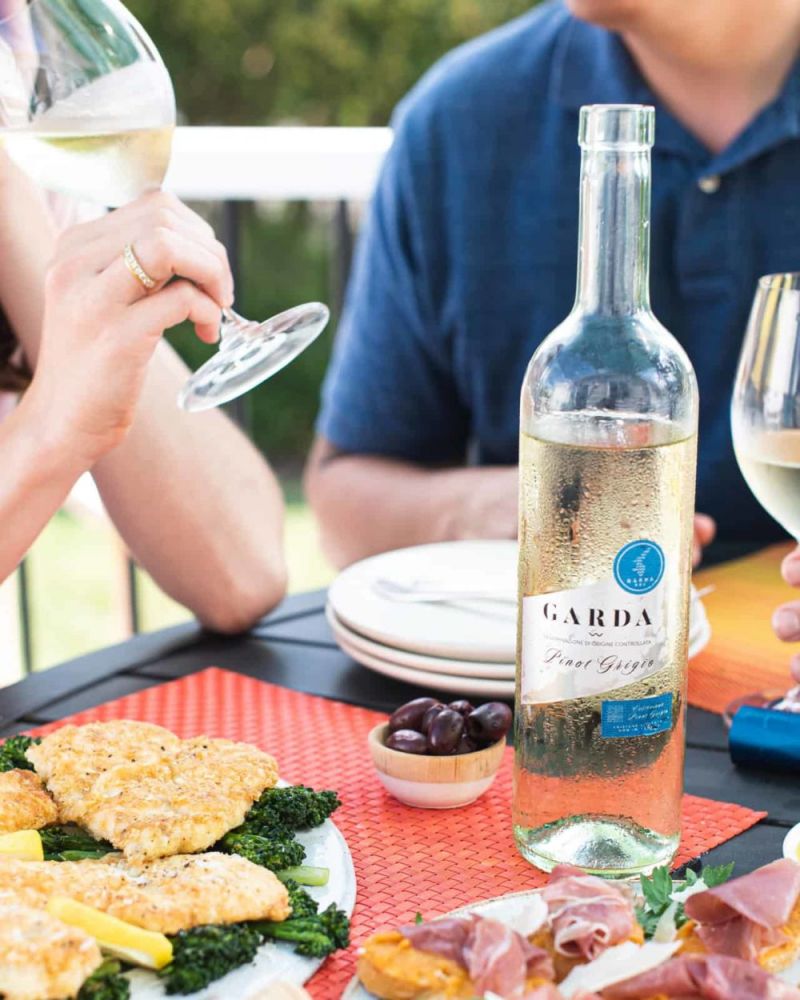
Garda DOP, the wine denomination around Lake Garda in northern Italy, said it has expanded its production area to include the municipality of Castenedolo and is moving ahead with a new low-alcohol wine offer, a step the consortium presents as a response to changing drinking habits and summer tourism demand.
The update was announced by the Garda DOC Consortium and reported Monday by Qualivita. The denomination spans parts of the provinces of Brescia, Mantua and Verona, an area that has long tied wine production to one of Italy’s busiest leisure destinations. The consortium said the addition of Castenedolo marks a formal change in the production rules and reflects continued growth for the appellation while keeping its geographic identity centered on the Garda area.
The move comes at a time when producers across Europe are adjusting to weaker wine consumption in some traditional markets and stronger interest in lighter styles, moderation and no- and low-alcohol beverages. In that context, Garda DOP said it has introduced low-alcohol wines under the denomination, describing itself as the first Italian DOP to add that category.
The consortium framed the new wines as part of a broader effort to match current consumer preferences without breaking from the region’s established image. Around Lake Garda, wine is closely linked to tourism, with cellar visits, vineyard walks, lake excursions and restaurant trade all feeding demand during the summer season. Millions of visitors travel to Lake Garda each year, making it one of Italy’s most important tourism corridors.
Paolo Fiorini, president of the Garda DOC Consortium, described the territory as “a corner of the Mediterranean at the foot of the Alps,” pointing to a mild microclimate shaped by lake breezes, strong light and Alpine influence. The consortium says those conditions help produce wines with freshness and aromatic expression, traits it believes can also support newer categories aimed at consumers seeking lower alcohol intake.
The inclusion of Castenedolo is significant because changes to a denomination’s production map can affect grape sourcing, vineyard value and future investment inside and outside the newly admitted area. For beverage companies and wine buyers, the low-alcohol initiative may also matter beyond local tourism. If consumer acceptance grows, it could shift product mix within a protected designation that already benefits from strong seasonal traffic, potentially influencing margins, shelf placement and export positioning for producers working under the Garda name.
The announcement also shows how regulated European wine regions are trying to adapt within formal appellation systems rather than outside them. Low- and no-alcohol products have often developed in broader table wine or branded categories where rules are looser. By bringing low-alcohol wines into a DOP framework, Garda is testing whether a protected origin can preserve its identity while widening its commercial reach.
That question has become more pressing as younger consumers in several markets show more selective drinking habits and as hospitality operators seek bottles suited to lunch service, outdoor events and occasions where moderation is part of the appeal. In a destination like Lake Garda, where tourism and wine sales are tightly connected, those shifts can quickly shape what wineries pour in tasting rooms and what restaurants choose to stock during peak season.
The consortium said the summer campaign around these developments is part of Euchronicles Eccellenze DOP: un savoir-faire tutto europeo, a European promotional project aimed at increasing awareness of protected food and wine denominations among both trade operators and consumers.
While the announcement came from the consortium itself and did not include production volumes or sales targets for the new category, it signals that Garda DOP wants to position itself not only as an established wine tourism destination but also as an early mover inside Italy’s appellation system on low-alcohol wines. The combination of a wider production area and a broader style range suggests a denomination trying to respond to demand changes while keeping its place in one of the country’s most visible beverage and tourism markets.
