European Union Approves Turnberry Agreement to Spare U.S. Spirits From New Tariffs
The decision removes the immediate threat of retaliatory duties on Aug. 6 and offers distillers short-term trade relief.
2026-07-03
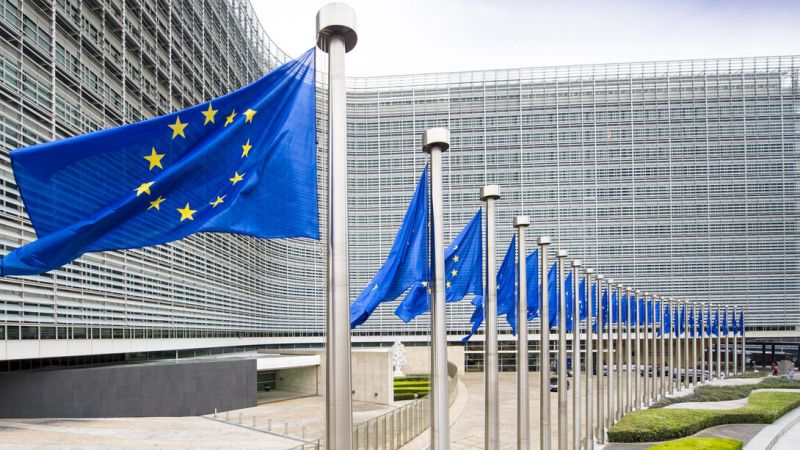
The European Union has approved the implementation of the Turnberry Agreement, a step that removes the immediate risk that retaliatory tariffs would be reimposed on U.S. spirits on Aug. 6, according to a statement released Wednesday by the Distilled Spirits Council of the United States.
Chris Swonger, the group’s president and chief executive, called the move “a very encouraging development” and said it brings relief to American distillers that had been preparing for another round of trade penalties in one of their most important export markets. The industry group said the EU action offers short-term stability while opening the door to broader tariff discussions between Washington and Brussels.
At issue was the possibility that the European Union could restore retaliatory duties next month, reviving a trade pressure point that has weighed on spirits producers and exporters in recent years. DISCUS said the approval of the agreement clears that immediate threat and supports the joint U.S.-EU commitment to examine additional sectors and products for tariff relief.
For distillers, that matters beyond diplomacy. Tariffs between the United States and Europe can quickly raise costs across the beverage supply chain, affecting exporters, importers, distributors and retailers. A clearer path toward zero-for-zero tariffs could reduce uncertainty for spirits companies shipping products across the Atlantic and may help stabilize pricing and planning for buyers in both markets.
The council said it sees the agreement as a chance to push for a permanent return to zero-for-zero tariffs on spirits, a long-standing goal for producers on both sides of the Atlantic. Such an outcome would remove duties rather than suspend them temporarily, giving companies more confidence when making export decisions and managing inventories in Europe.
The statement did not provide further details on timing for any broader tariff changes or on which additional sectors might be considered under future talks. But for now, the EU decision appears to have defused an immediate threat hanging over U.S. distillers as summer shipments and commercial planning continue.
The development is especially significant for American whiskey and other distilled spirits producers that rely on European sales. Even temporary tariff threats can disrupt contracts, alter pricing strategies and make importers more cautious about placing orders. In that sense, the EU’s move offers not only political breathing room but also practical relief for a beverage sector that remains exposed to shifts in transatlantic trade policy.
