Research at an Etruscan site pushes Chianti winemaking back to the third century BCE
Ancient grape seeds from ritual wells suggest vintners used the same white variety for centuries before Sangiovese defined the region
2026-06-24
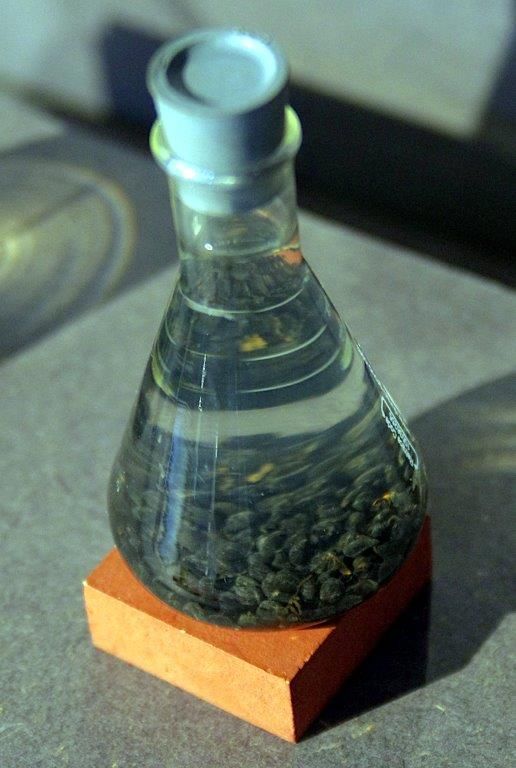
Archaeological and genetic research at Cetamura, an Etruscan-Roman site in the woodlands of Badia a Coltibuono in Gaiole in Chianti, is pushing back the documented history of viticulture in the Chianti area to at least the third century BCE.
The findings come after more than 50 years of excavation at the site by Florida State University archaeologists led by Nancy de Grummond. Between 2012 and 2016, researchers recovered numerous well-preserved grape seeds from the deepest layers of Etruscan wells. The seeds are believed to have been placed there as part of votive rituals.
Genetic analysis by the University of York, supported by the Consorzio Vino Chianti Classico, found that the same white grape variety was cultivated and used for winemaking over several centuries, spanning the Etruscan and Roman periods. The study also found evidence of vegetative propagation, the method of reproducing vines through cuttings that is still used today.
Researchers said the results point to advanced viticultural knowledge already in place during Etruscan times. The analysis also showed a predominance of white grape varieties at the site, though red grapes were present as well.
The discovery is significant for Gaiole in Chianti, where artifacts from the excavations are housed at the Chianti Origo archaeological museum. Local officials said the research strengthens the area’s link to a wine tradition that stretches back more than two millennia.
The Stucchi Prinetti family, which owns the Badia a Coltibuono woodlands and has long supported the excavations, said the findings connect the estate directly to the earliest known roots of viticulture in Chianti. The estate’s history later passed through the Vallombrosan Order, which preserved this agricultural heritage over the centuries.
Researchers said further work could determine whether the ancient grape identified at Cetamura is genetically related to varieties still grown today. If confirmed, that could open the way for a project to revive a vine once cultivated on these hills long before Sangiovese became the region’s defining grape.
