Bordeaux’s 2025 Vintage Shows Freshness and Balance, but Futures Sales Still Hinge on Price Cuts
Early tastings point to one of the region’s strongest recent years, yet weak demand and swollen inventories threaten another difficult campaign
2026-06-18
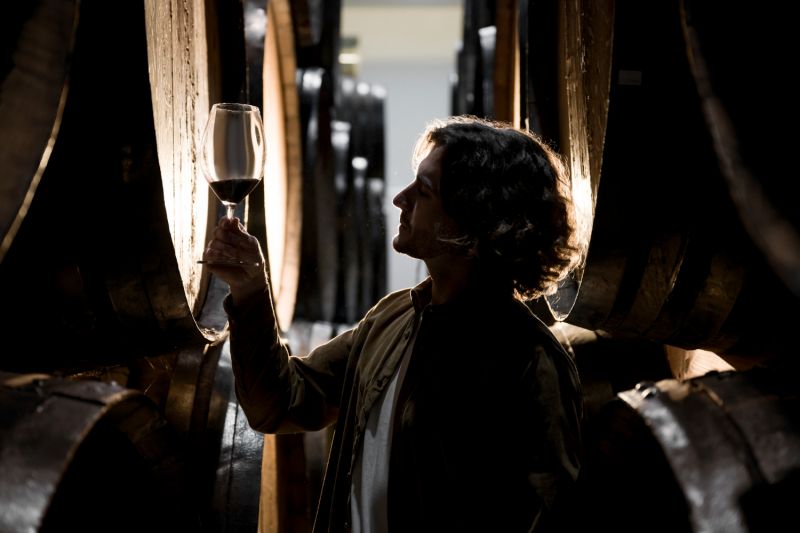
Bordeaux’s 2025 vintage is shaping up as one of the region’s strongest recent years in the glass, but that does not mean it will be enough to revive the struggling en primeur market.
Producers, merchants and buyers are entering this year’s campaign after a bruising 2024 season, when weak demand exposed deeper problems across Bordeaux. Trade inventories remain high, sales have slowed sharply and many négociants are under financial pressure. In that context, two arguments that have long supported Bordeaux futures sales — strong quality and limited volumes — may not be enough on their own to restore momentum unless leading estates make meaningful price cuts.
Early tastings suggest that 2025 has clear strengths. Across much of Bordeaux, the wines show balance, freshness and low yields. On the Left Bank, reds are marked by bright fruit, clean flavors and moderate alcohol levels, often around 13%, despite a growing season that included as many very hot days as 2022.
The difference appears to lie in the timing of the heat. In 2025, much of it came in July, followed by a cooler August. Light rain at the end of August helped slow sugar accumulation and relieved vines before an especially early harvest. That pattern helped preserve freshness and avoid some of the heavier profiles associated with hotter years.
White wines from Pessac-Léognan also appear to have benefited. Early samples show firm acidity and lively finishes, suggesting wines with both immediate appeal and aging potential.
On the Right Bank, growers in Pomerol and Saint-Émilion faced another year shaped by climate extremes. The season began with an early budbreak and a notable mildew risk. Spring brought water deficits, followed by an intense heat wave at the end of June and more extreme heat later in the summer, with temperatures topping 105.8°F in August. Rain late in the cycle proved critical in preventing a full stop in ripening.
The first wines from these appellations show strong mineral character without harshness. Some samples also carry more unusual notes, including metallic tones that some tasters link to intense heat and sun exposure. Even so, alcohol levels remained restrained at several top estates. Cheval Blanc came in at 12.7%, while La Conseillante reached 13%, pointing to wines built more on elegance than force.
The vintage was not uniform. Botrytis pressure appeared in some places and pushed certain estates to pick earlier than planned. That added another layer of complexity to a year where pockets of underripeness may still appear in weaker sites or less precise vineyard work.
A hierarchy is already emerging among top properties, especially in Saint-Émilion, where limestone plateau vineyards appear to have performed particularly well. Those soils helped regulate water supply through the season, reducing vine stress and supporting more even ripening during periods of heat and drought.
In Sauternes, early tastings point to a consistently high level for sweet wines. Samples show completeness and balance rather than excess weight or showiness. Much of that quality is tied to clean botrytis development and harvest conditions that allowed estates to carry out successive picking passes without major disruption.
The main limitation there is volume. Yields were again very low, which will restrict supply even if quality is widely recognized. Dry whites from Sauternes were less convincing overall. In some cases, the drive to preserve freshness appears to have come at the cost of fruit maturity, leaving finishes that can seem green, bitter or narrow.
For collectors and drinkers, there is little doubt that many 2025 Bordeaux wines will deserve cellar space. For the trade, the harder question is whether quality alone can overcome a market crisis that has been building for two years. The answer may depend less on what is in the barrel than on whether Bordeaux’s biggest names are willing to make this year’s futures prices attractive enough to bring buyers back.
