Macron Refuses to Drop France’s Digital Tax Despite Trump’s 100% Wine Tariff Threat
France signaled it will keep the 3% levy on large U.S. tech companies despite rising risks for wine exporters and wider trade ties.
2026-06-16
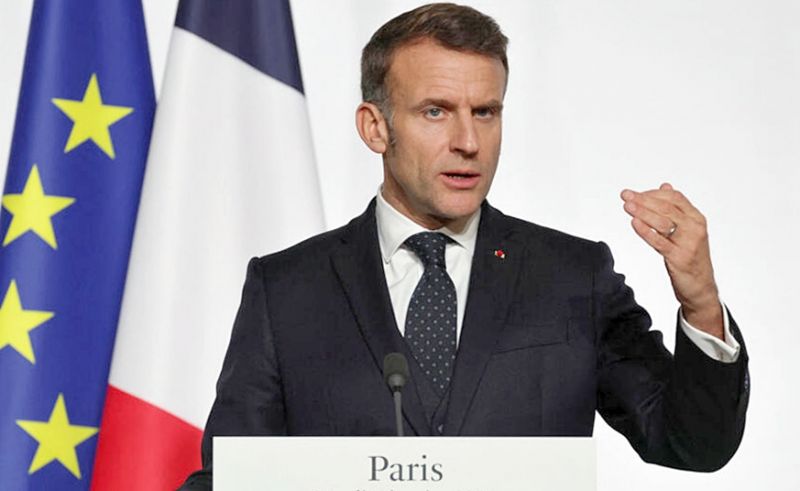
President Emmanuel Macron said Monday that France would not withdraw its digital tax on large U.S. technology companies despite President Donald Trump’s threat to impose 100% tariffs on French wine if Paris does not back down.
Macron made the comments before meeting Trump at the Group of Seven summit in Evian-les-Bains, where leaders gathered amid wider trade and geopolitical tensions. Speaking to TF1, Macron said tariffs between G7 countries help no one and rejected the idea that France should yield under pressure. “No, because that is not how it works,” he said when asked whether he would give in to the U.S. warning.
Trump had told the New York Post that the United States would “have no choice” but to apply 100% duties on French wine unless France removed its 3% digital services tax. According to the newspaper, Trump said he had delivered that message directly to Macron and argued that ending what he called a sales tax on American companies would remove the dispute. The White House did not immediately respond to requests for comment reported by Reuters.
The French levy has been in place since 2019. It applies to revenue from digital services earned by companies with more than €25 million in revenue in France and €750 million worldwide. Washington has long opposed such taxes, arguing they fall disproportionately on major U.S. technology groups. French officials have defended the measure as a way to ensure digital companies pay taxes in line with their business activity in France.
The latest threat has raised immediate concern across France’s wine and spirits sector, which depends heavily on exports and has repeatedly found itself exposed to disputes unrelated to its own business. The exporters’ group FEVS said Trump’s warning was bad news for an industry caught in a conflict beyond its control. It called for responsible behavior and for balanced, constructive trade relations between France and the United States.
That concern reflects the importance of the U.S. market for French producers. A 100% tariff would sharply raise shelf prices for many bottles sold in the United States and could weaken demand in one of the most important foreign markets for French wine. That would put pressure on exporters’ margins, import plans and pricing strategies across the beverage trade, from still wines to Champagne and spirits.
Alcohol is one of the European Union’s leading export categories to the United States. Eurostat data cited by Reuters show EU alcohol exports to the U.S. were worth about €9 billion in 2024. The category includes products such as Cognac and Champagne, whose production is tied by law to specific regions in Europe and cannot easily be shifted elsewhere.
French wines and spirits exported to the United States currently face a 15% tariff. French producers have been lobbying for that rate to be reduced to zero since Trump and European Commission President Ursula von der Leyen agreed on a U.S.-EU trade deal in Scotland last summer. Instead, exporters are again facing the possibility of a much steeper barrier.
Trump has made similar threats before. Reuters reported that he had previously warned of 200% tariffs on wine and other alcoholic beverages from France and the European Union, including in January this year and in March last year as transatlantic trade tensions rose. The repeated warnings have added uncertainty for producers, importers and distributors already dealing with volatile shipping costs, currency swings and uneven consumer demand.
The dispute comes at a sensitive political moment for both sides. Trump arrived at the G7 summit as allied governments remain wary of Washington’s trade posture. For Macron, who is hosting the gathering on the shores of Lake Geneva, the meeting is one of the last major diplomatic events of his second and final term, which ends next year.
For now, there was no sign Monday that Paris intended to change course. Macron’s public refusal suggested France will continue defending its digital tax even as the threat hangs over one of its most visible export industries.
