Researchers test MRI sensors for vineyards
The cross-border VitiSense project aims to detect vine stress early with noninvasive tools built for field use.
2026-05-27
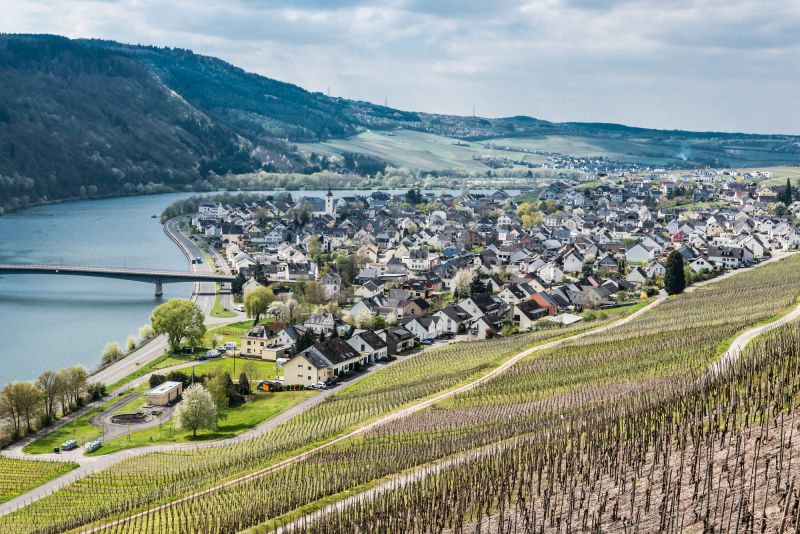
A cross-border research project launched in March in Strasbourg is testing whether vineyard monitoring can be made more precise by borrowing tools more often associated with medicine and materials science than with winegrowing.
The project, called VitiSense, brings together Hochschule Furtwangen University, the University of Strasbourg and the companies RS2D and ML&S in an INTERREG-funded effort focused on the Upper Rhine region, one of Europe’s major wine areas. The goal is to develop noninvasive sensor systems that can detect stress in grapevines early, before visible damage appears, and help growers respond more quickly to drought, disease and other pressures linked to climate change.
Researchers involved in the project are working on a portable low-field MRI system that could be used directly in vineyards to examine vine trunks on site. Unlike conventional MRI machines used in hospitals, the device is being designed for field conditions. The aim is to identify changes in water distribution or internal structural damage without harming the plant.
The project also includes optical sensors for leaf analysis. Those systems use spectroscopic methods and time-resolved fluorescence measurements to study physiological processes inside the vine. Researchers say the technology could reveal signs of nutrient stress, water shortage or disease at an early stage, when intervention may still prevent larger losses.
The work comes as wine regions across the Upper Rhine face hotter summers, longer dry periods and more irregular rainfall. Those conditions have increased pressure on growers to use water and plant protection products more carefully. By detecting problems earlier, the VitiSense team hopes to support more targeted irrigation, crop protection and harvest decisions.
The project is part of a broader push toward precision farming, in which digital tools are used to make agriculture more efficient and less resource-intensive. While such systems are already common in some crop production, their use in viticulture remains limited in many places. VitiSense is trying to close that gap by combining engineering, data science and agricultural research.
If successful, the data collected by the sensors could eventually be analyzed on mobile devices or fed into digital decision-support platforms for growers. That would allow vineyard managers to track vine health more closely and adjust their practices based on real-time conditions rather than visual inspection alone.
The Upper Rhine region spans parts of Germany and France and has long been known for wine production. It is also increasingly exposed to climate-related risks that can affect yields and grape quality. The partners behind VitiSense say their work is meant not only to advance sensor technology but also to strengthen regional cooperation between universities and industry on both sides of the border.
With its launch now underway, the project is entering a multi-year research phase aimed at turning laboratory methods into tools that can work in commercial vineyards under everyday conditions.
