Rising Costs Push Americans to Cut Back on Dating
A survey finds many are skipping dates or spending less, with wine purchases for romantic outings driven more by value than image.
Tuesday, April 14, 2026
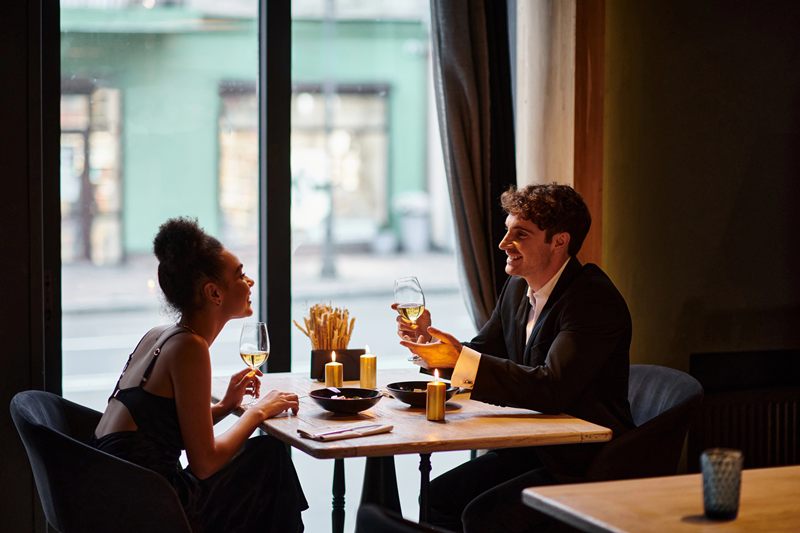
As rising living costs continue to reshape consumer behavior in the United States, a new study commissioned by Maison Louis Jadot suggests that dating is becoming less frequent and more budget-conscious, with wine purchases for those occasions increasingly driven by value rather than image.
The survey, conducted by Morning Consult, found that 56% of Americans say higher costs have reduced how often they go on dates. Among those respondents, 27% said they have stopped dating altogether to save money. The findings point to a broader squeeze on discretionary spending as households adjust to inflation, higher everyday expenses and tighter personal budgets.
The study also suggests that tax refund season is playing a larger role in how people allocate money for social life. About 46% of respondents said at least some of their refund would go toward their love life, indicating that the annual filing period has become an important moment for spending on dining, drinks and other date-related expenses.
To make room for dating, many consumers are cutting back elsewhere. More than half of those surveyed, or 52%, said they were reducing spending in other categories to afford going out. The most common trade-offs were personal shopping, cited by 30%, nights out with friends at 27% and groceries or takeout at 25%.
The pressure is not affecting all consumers equally. Among Americans earning under $50,000 a year, 33% said they had stopped dating entirely to save money, compared with 15% of those earning $100,000 or more. Younger adults are also feeling the strain: 62% of Gen Z and Millennials said rising costs have changed how often they go on dates.
For the wine business, the most revealing part of the survey may be how consumers choose bottles for these occasions. When selecting wine for a date, respondents ranked taste first at 36%, followed by staying within budget at 27% and pairing well with food at 26%. Only 9% said it mattered that the wine looked impressive.
That split suggests a shift away from status-driven buying and toward wines that deliver clear value and fit the occasion. In practical terms, producers and retailers may find stronger demand for bottles that are easy to understand, reasonably priced and suited to food rather than labels built mainly around prestige.
Jennifer Fritz, U.S. brand director for Louis Jadot, said in a statement that date night still matters to consumers but is being approached more deliberately. Farnoosh Torabi, the personal finance expert who partnered on the campaign, said the data showed people were rethinking the idea that a good date has to be expensive and focusing instead on experiences that support connection.
The survey was released alongside The Loveflation Edit, a campaign from Louis Jadot tied to inflation, tax refund season and changing spending habits in modern relationships. For wine sellers watching demand patterns in the U.S., the message is straightforward: consumers are still willing to spend on special occasions, but they are increasingly looking for wines that feel worth the money rather than simply look expensive.