French Wine Exports Surge 16% as Producers Target Young Drinkers With Low-Alcohol Innovations
Colorful labels, flexible blends, and alcohol-free options drive renewed interest among new generations at Wine Paris trade show
Thursday, February 12, 2026
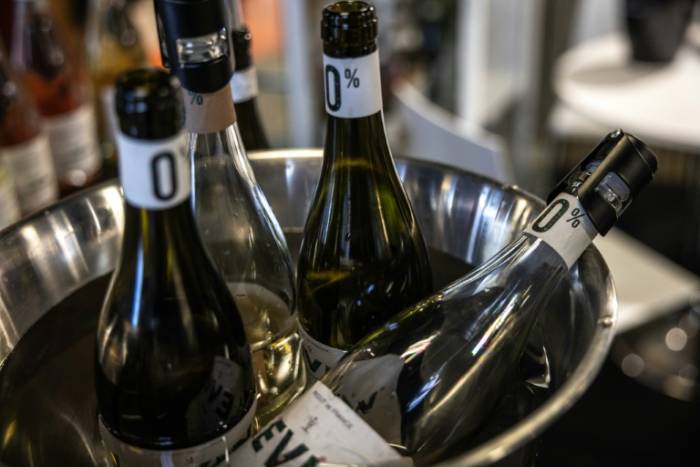
At the Wine Paris trade show this week, French wine producers and spirits makers are presenting a wave of new products aimed at reversing a decline in overall alcohol consumption. The industry is working to attract a new generation of consumers, especially the so-called “flexi-drinker” who is looking for drinks with less or no alcohol. Gabriel Picard, president of the Federation of French Wine Exporters, said during a press conference that both people and their drinking habits are changing, and the industry must adapt. He noted that this is not a new phenomenon, recalling that 60 years ago it was common to dilute wine with water and that alcohol levels were lower.
The Vin De France (VDF) stand at the event features bottles with colorful labels and varying alcohol strengths. Next to these displays, a cocktail kiosk offers fresh red wine mixed with rose syrup and chardonnay blended with ginger beer. Vin De France was created in 2009 to make French wine more accessible for export by using simpler labeling and fewer restrictions. Today, nearly 900 wineries participate under its flexible rules, which allow blending grapes from different regions or removing alcohol from wine.
In 2025, VDF wines saw a 16% increase in exports, including an 11% rise in the United States, despite a generally sluggish market. Valérie Pajotin, head of the association managing VDF, described these products as bringing novelty in a straightforward way to win back young adults. She said that the industry may not have listened enough to consumer demand in the past, assuming education alone would be enough. Pajotin pointed out that young people have long preferred chilled drinks and that adding ice to rosé is no longer seen as taboo.
Recent trends include orange wines from Georgia, natural sparkling wines, and light reds focused on fruit flavors. Now there is growing interest in “blouge,” a blend of red and white grapes for diverse aromatic profiles. Even traditional producers are experimenting: one winemaker from Saint-Chinian offers both classic reds and a “natural wine” without additives, packaged with bright labels aimed at younger drinkers—a style reportedly popular in Paris.
Cognac producers are promoting cocktails or drawing on nostalgia linked to family traditions. Korean alcohol brands are leveraging the popularity of K-Pop and Korean TV series to reach new audiences. Miji Lee from Korea’s national promotion center noted that many French people aged 50-60 tried Korean spirits after watching TV dramas—a shift from just younger consumers two or three years ago.
Ready-to-drink cocktails sold in cans are also gaining ground worldwide. Ananda Roy, vice president at trend analysis firm Circana, said that while sales of rum are falling and tequila consumption is flat, cocktails made with these spirits are booming. Both wine and spirits producers are now following the beer industry’s lead by developing low- or no-alcohol versions of their products.
For the first time this year, Wine Paris featured a pavilion dedicated to “no-low” beverages—alcohol-free wines as well as fermented drinks made from tea and other ingredients. Roy sees strong demand for lower-alcohol options driven by health and wellness concerns. However, he raised questions about whether these new products are actually healthier since they often contain additives and stabilizers. He suggested that consumers will soon start asking if these drinks are truly better for them—a question that remains open for now.