U.S. Wineries Face Declining Profitability as Consumer Demand Shifts
Industry reports reveal fewer wineries report strong business health, with changing demographics and spending habits driving a market correction.
2026-02-04
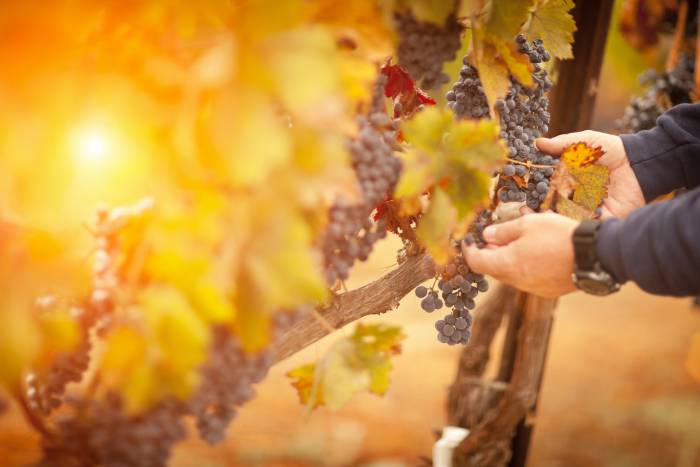
Two recent industry reports indicate that U.S. wineries are entering a period of correction, marked by tighter profit margins and changing consumer demand. The InnoVint 2025 State of Winery Health survey and Silicon Valley Bank’s 2026 State of the U.S. Wine Industry Report both highlight a shift in the market that is affecting wine-producing regions like Newberg and Dundee, Oregon. These areas rely heavily on wineries for jobs, tourism, and local economic activity.
The reports do not suggest an industry collapse but point to increased pressure on producers. Fewer wineries report thriving conditions compared to previous years, and growth now depends more on customer retention and long-term relationships than on walk-in tourism. This change follows a strong 2025 vintage in the Willamette Valley, where growers like Daniel Warnshuis of Utopia Wines noted favorable weather conditions that led to early harvests and high-quality fruit.
Warnshuis described the 2025 wines as fruit-forward with good acidity and structure, reflecting the region’s reputation for consistent quality. However, he acknowledged that producing great wine is no longer enough to ensure strong sales. According to the State of Winery Health report, only 45% of winery professionals rated their business health as “great” or “excellent,” down from 56% the previous year. This decline signals caution across the industry even as most wineries remain operational.
Silicon Valley Bank’s report supports this view, noting that the challenge is not a single bad year but a broader shift in consumer behavior. U.S. wine volume dropped from 335.9 million cases in 2024 to about 329 million in 2025, with industry revenue falling again to around $74.3 billion. The bank forecasts a slow recovery, predicting that a more stable market may not return until at least 2027 or 2028.
Lucia Walker, president of the Dundee Hills Winegrowers Association, said these findings match what she hears from local producers. She described the current period as a correction that will take time to resolve, citing multiple challenges facing the industry. Walker pointed out that younger consumers are less interested in traditional milestones like home ownership and family formation, which affects household spending patterns.
Demographic changes are a key factor in declining demand. Baby Boomers are aging out of peak wine consumption years, while younger generations drink less alcohol overall and have more beverage choices than before. Walker said wineries must adapt by connecting with younger consumers through storytelling and approachable marketing, such as short-form videos and direct engagement.
However, many younger buyers have less disposable income, making premium-priced Willamette Valley wines less accessible. Warnshuis noted that rising production costs further complicate pricing decisions for wineries. Both reports found that consumers are more price-sensitive than in previous years, limiting how much wineries can raise prices without risking sales losses.
Tourism patterns have also changed. While tourism has not disappeared, visitors are more selective with their spending and experiences. Warnshuis observed that simply opening a tasting room is no longer enough to attract customers, even during traditional peak weekends like Memorial Day. The SVB report shows that direct-to-consumer sales remain crucial for many wineries; Oregon producers average about 56% of revenue from tasting rooms, clubs, and on-site sales.
To adapt, Warnshuis is updating his marketing strategy by making his website mobile-friendly, refining brand messaging, and shifting his wine club toward experience-based offerings such as special events. He emphasized the need for creativity in providing memorable experiences that encourage repeat visits and word-of-mouth referrals.
Walker said regional organizations are also focusing on marketing and retention by sharing analytics with member wineries and creating opportunities for collaboration among producers. She highlighted events where multiple winemakers present their wines side by side as effective ways to engage consumers directly.
Warnshuis believes small wineries have an advantage in offering personal experiences that larger operations cannot easily replicate. He encourages locals to support area wineries by getting to know producers and understanding their role in the local economy.
The InnoVint 2025 State of Winery Health report surveyed more than 500 winery professionals nationwide—including 30 from Oregon—on business health, profitability pressures, sales channels, staffing, and operational challenges. Silicon Valley Bank’s 2026 State of the U.S. Wine Industry Report combines survey data with national sales trends and demographic analysis to forecast demand and identify strategies linked to higher-performing wineries.
As the industry navigates this correction period, local producers are focusing on customer retention, creative marketing approaches, and collaborative efforts to maintain their role as economic drivers in communities like Newberg and Dundee.

Founded in 2007, Vinetur® is a registered trademark of VGSC S.L. with a long history in the wine industry.
VGSC, S.L. with VAT number B70255591 is a spanish company legally registered in the Commercial Register of the city of Santiago de Compostela, with registration number: Bulletin 181, Reference 356049 in Volume 13, Page 107, Section 6, Sheet 45028, Entry 2.
Email: [email protected]
Headquarters and offices located in Vilagarcia de Arousa, Spain.