Wine Industry Unveils First Global Data on Soil Carbon Sequestration Efforts
New report highlights regenerative viticulture’s climate impact, offering a science-based benchmark for vineyards across Europe and the Americas
Wednesday, February 4, 2026
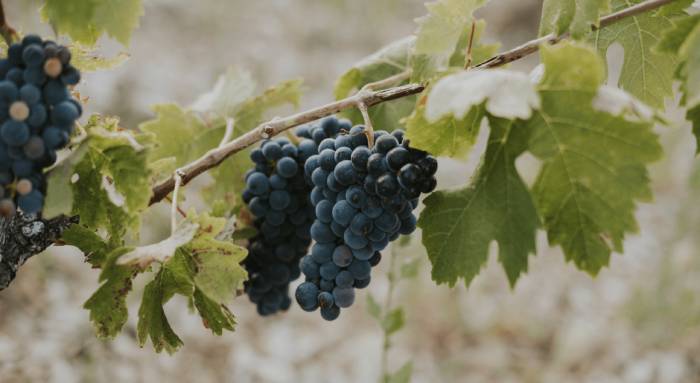
International Wineries for Climate Action (IWCA) has released its first global compilation of Soil Organic Carbon (SOC) sequestration projects, marking a significant step for the wine industry’s climate action efforts. The announcement was made at Barcelona Wine Week, one of Europe’s leading wine trade events. The compilation was developed in partnership with The Porto Protocol Foundation, the Association of Regenerative Viticulture, and the Regenerative Viticulture Foundation.
The new report brings together data from sixteen SOC sequestration projects conducted by twelve wineries across Europe and the Americas. These projects represent some of the most prominent wine regions, including Chile, Mexico, France, Spain, and the United States. Participating wineries include Concha y Toro, Don Melchor, Miguel Torres Chile in Chile; Clos de Tres Cantos Vineyards in Mexico; Domaine Lafage in France; Alma Carraovejas, Familia Torres, Jean Leon, Can Feixes, and Clos Mogador in Spain; and Archery Group, Chamisal Vineyards, Jackson Family Wines, Paicines Ranch Vineyard, Pine Ridge Vineyards in California and Dodon Vineyards in Maryland.
The compilation is the first comparative analysis of its kind for the wine sector. It focuses on projects with completed or nearly completed results to ensure reliability and credibility. According to IWCA, more wineries are expected to be included in future editions as their own SOC projects reach maturity.
SOC sequestration is increasingly recognized as a key strategy for reducing greenhouse gas emissions and improving vineyard resilience to climate change. However, until now the wine industry has lacked standardized methods and consensus-based approaches necessary for international validation and integration into corporate carbon accounting systems. IWCA’s new initiative addresses this gap by providing a shared reporting template and standardized structure for all participating wineries.
Key findings from the compilation show strong engagement from wineries in measuring and increasing soil carbon as part of their climate mitigation strategies. The data reveal consistent positive or neutral trends in SOC levels under regenerative vineyard management practices. This supports the idea that regenerative viticulture can help transform vineyards into effective carbon sinks while also improving soil health.
The results were discussed at a panel during Barcelona Wine Week featuring Mireia Torres Maczassek of Familia Torres, Eva Navascués of Alma Carraovejas, Josep María Ribas of Familia Torres and IWCA, Anna Velázquez representing the Association of Regenerative Viticulture, and Antoine Lespès from Domaine Lafage.
By establishing a baseline for comparison across different regions and methodologies, IWCA aims to create a science-based benchmark for SOC sequestration in the wine sector. The organization hopes this will facilitate knowledge sharing among wineries worldwide and support alignment on how SOC is calculated. Ultimately, IWCA wants to accelerate the transition to more sustainable and climate-resilient viticulture practices.
IWCA is a coalition of wine producers from 15 countries representing about 3.5% of global wine production. The group advocates for emission reductions across the industry and its certification is recognized by retailers and professionals worldwide as a mark of commitment to decarbonization. With this new compilation, IWCA sets out to provide leadership on climate action within the global wine community.