California Vineyards Remove 38,000 Acres as Wine Industry Faces Deepening Crisis
Shrinking grape harvests, rising costs, and shifting consumer tastes drive historic vineyard pullouts and threaten long-term industry stability.
2026-02-02
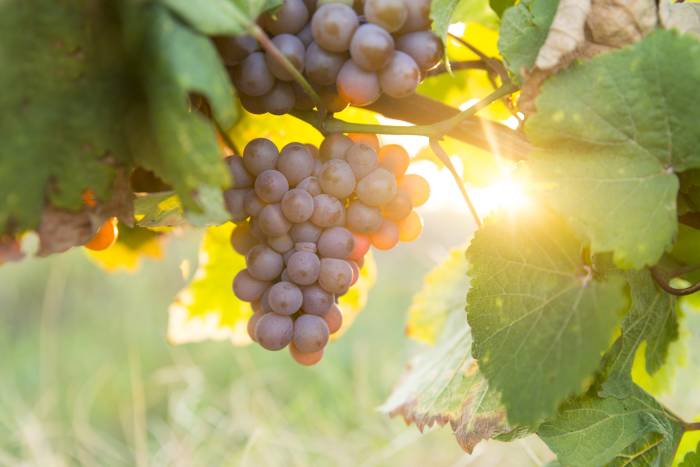
The U.S. wine industry is facing a period of significant change and uncertainty as it moves through 2026. Industry leaders, including Gary Mortensen of Stoller Family Estates, are calling this a “correction,” with many expecting the challenges to last for several more years. The downturn is driven by shifting consumer preferences, rising costs, and broader economic pressures.
Consumer behavior is at the heart of the current situation. Baby Boomers, who have long been a key demographic for wine sales, are aging out of the alcoholic beverage market. At the same time, younger consumers are showing different preferences. Many are choosing low-alcohol or non-alcoholic options, while others are drawn to sweet, high-alcohol wines. The popularity of alternative beverages like imported mineral water and ready-to-drink cocktails is also growing. According to recent polls, 12% of U.S. adults—about 40 million people—are now taking GLP-1 drugs such as Ozempic, which have been shown to reduce alcohol consumption.
Despite these headwinds, some wineries are managing to hold steady or even grow their sales volumes. However, increased operational costs—including healthcare, labor, and materials—are eroding profits. Shawn Schiffer of Foley Family Wines noted that while revenue is up, it is not enough to offset rising expenses.
The supply side is also under pressure. The 2024 California wine grape harvest was just 2.8 million tons—the smallest in two decades—and the 2025 harvest was expected to be even lower at around 2 million tons. Hundreds of thousands of tons of grapes were left unharvested in 2025 as contracts went unrenewed and prices fell below the cost of production. Between October 2024 and August 2025, more than 38,000 acres of vines were removed in California alone.
Rising farming costs are a major factor behind these vineyard pullouts. Chris Indelicato of Delicato Family Wines pointed out that it now costs 65% more to farm vineyards than it did five years ago. Growers can no longer compete when the cost to produce a ton of grapes exceeds what wineries are willing to pay. While some blame bulk wine imports for hurting domestic growers, industry leaders say the real issue is high production costs combined with weak demand.
The oversupply problem has led to inventory backlogs at wineries, making it difficult to move older vintages and creating a bottleneck for new harvests. Some regions, like Lodi and the Central Coast, have seen especially high rates of vineyard removal.
In Washington state, there has been some positive news. Ste. Michelle Wine Estates cut its grape contracts by 40% in recent years and now reports that its supply is finally in balance with demand.
Distributors are also feeling the strain as the wholesale network undergoes major changes. The exit of Republic National Distributing Company from California disrupted sales for about 200 wineries and forced others to find new distribution partners. Some wholesalers are diversifying into energy drinks and non-alcoholic beverages as wine sales decline.
Mergers and acquisitions have slowed as asset values drop, but experts expect activity to pick up once buyers believe the market has bottomed out. For smaller wineries looking to exit the business, selling off inventory and closing may be the only viable option.
Banks are beginning to tighten lending standards for wine-related businesses and may start foreclosing on struggling operations in 2026. Adam Beak of BMO’s Wine & Spirits Group said that debt will still be available but under stricter terms.
Retailers are reducing shelf space for wine as sales decline and are focusing more on private labels and online sales channels like Instacart. Seasonal products and innovative packaging are helping some brands stand out in stores.
A major challenge for the industry is reconnecting with younger consumers who value flexibility, affordability, and experiences over traditional wine culture. Executives like Stephanie Gallo of GALLO emphasize the need to make wine more accessible—not just in price but also in how it is marketed and consumed. High by-the-glass prices in restaurants are another barrier for many consumers.
Innovation remains a priority as wineries look for ways to stay relevant in a changing market. New product categories, creative marketing strategies, and digital engagement are all being explored as ways to attract new customers.
While most industry leaders do not expect a rebound in 2026, many believe that those who adapt now will emerge stronger when demand eventually recovers. The focus is on optimizing operations, embracing innovation, and making wine more approachable for today’s consumers.
