Wine Struggles to Compete With Beer and Cocktails Among American Drinkers, Study Finds
Researchers highlight need for innovation as wine faces declining sales and shifting preferences, especially among younger consumers
2025-10-03
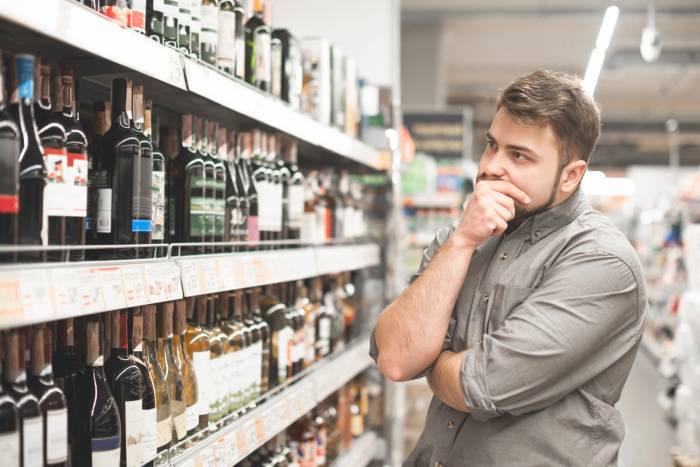
A recent study by the Wine Market Council and research firm Vista Grande has shed light on why many American consumers rarely choose wine when drinking outside their homes. The research focused on “wine hesitant” consumers—people who drink wine infrequently, prefer other alcoholic beverages, or are cutting back on wine. The findings were presented in a webinar held at the end of July.
The study surveyed 1,500 respondents to understand their preferences in both restaurants and retail settings. When dining out, 42 percent of these consumers chose beer, while 37 percent opted for cocktails. Only 8 percent selected wine. In stores, beer was again the top choice, followed by spirits and ready-to-drink cocktails. While 21 percent considered buying wine, just 10 percent actually purchased a bottle.
Researchers found that these consumers are looking for drinks that fit casual, everyday occasions and can be tailored to their personal tastes and health preferences. Wine is often seen as more formal or suited to special events, which makes it less appealing for relaxed settings. Many respondents said they want value, flavor variety, and options that match the mood of the occasion.
To address these barriers, the study tested dozens of potential solutions. The most promising ideas included offering discounts on wine, creating wine-based cocktails, allowing customers to sample wines before buying, and introducing single-serve packaging or seasonal formats.
Wine cocktails stood out as a particularly effective way to attract hesitant drinkers. According to Russ Onish, president of Vista Grande, wine cocktails are less intimidating than traditional table wines and allow for customization based on taste or alcohol content. This approach also taps into the popularity of cocktails among younger consumers. “People like cocktails,” Onish said during the presentation. “We’re not trying to teach them to buy cocktails; they’re already there.”
Retailers have started experimenting with this idea. Brian Gelb, Senior Vice President of Wine at Total Wine & More, said his stores now feature monthly cocktail demonstrations where customers can try new recipes and buy bundled ingredients at a discount. Recent offerings include trendy drinks like port and tonic as well as holiday-themed sparkling wine cocktails.
Seasonal products have also proven successful in attracting attention. Gelb mentioned that limited-time items such as pumpkin-spiced Chardonnay sell quickly during their short availability windows.
Another area for innovation is packaging. The study found that single-serve bottles or cans could appeal to individuals or smaller households who do not want to commit to finishing a full bottle in one sitting. Christian Miller, Research Director at the Wine Market Council, noted that smaller formats also help address concerns about price and waste. However, he pointed out that many consumers still struggle to find their preferred wines in these alternative packages.
The researchers acknowledged that not every solution will work for all producers or retailers. Still, they emphasized that even small changes could help make wine more accessible and appealing to a broader audience.
The study comes at a time when U.S. wine sales are declining and younger drinkers are increasingly choosing other types of alcohol. By focusing on value, flexibility, and innovation in both product and presentation, industry leaders hope to reverse this trend and bring new consumers into the wine category.
