Trump Administration Weighs Lowering Tariffs on Scotch Whisky Imports From UK
Talks follow British request and highlight economic ties between US bourbon and Scottish distillers as industry awaits decision
Friday, October 3, 2025

Views › 2065
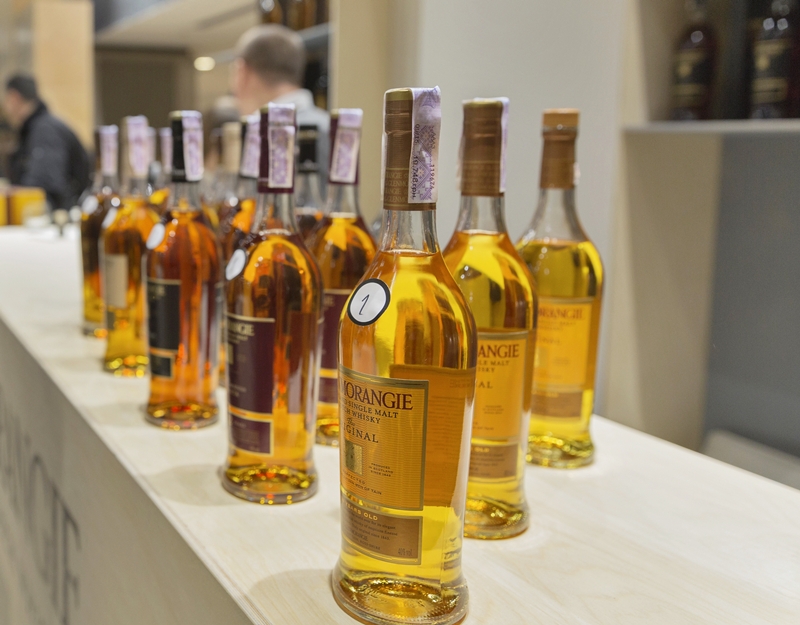
Officials in the Trump administration are considering a reduction of the 10 percent tariff currently applied to Scotch whisky imports from the United Kingdom. The possible change follows a request from British Prime Minister Keir Starmer, who raised the issue with President Donald Trump during a state visit last month. According to people familiar with the discussions, the UK government has argued that easing the tariff would not only benefit Scottish distillers but also support the American bourbon industry. This is because a significant portion of Scotch whisky is aged in used bourbon barrels exported from the United States.
The 10 percent tariff was introduced as part of a broader set of reciprocal trade measures under President Trump’s administration. The Scotch Whisky Association estimates that these tariffs cost the Scottish industry about £20 million per month in lost exports. At the same time, around 60 percent of all Scotch whisky is matured in bourbon casks from Kentucky, representing an annual trade worth approximately $300 million for American barrel producers.
While no final decision has been made, and it remains uncertain whether President Trump will approve a reduction in duties, officials acknowledge that talks are ongoing. The White House and the US Commerce Department have not commented on the matter. The UK’s Department for Business and Trade stated that Scotch whisky already enjoys preferential access to the US market compared to other major economies and emphasized ongoing efforts to protect British jobs and support economic growth.
The issue of tariffs on spirits has been a point of contention between Washington and London for several years. In May, Starmer and Trump signed a trade agreement that secured exemptions for certain UK industries, including vehicle manufacturers and steel producers. However, tariffs on UK steel remain at 25 percent, lower than those imposed on most countries but still significant.
Scottish First Minister John Swinney has also advocated for removing tariffs on Scotch whisky. Last month, he met with President Trump and Secretary of State Marco Rubio in Washington to discuss the matter. Swinney later told reporters he believed there was a “real chance” of reaching an agreement.
Industry groups on both sides of the Atlantic have highlighted how closely linked American and Scottish distillers are through their supply chains. US bourbon producers sell their used barrels to Scotch makers because American regulations require bourbon to be aged only in new, charred oak casks. This longstanding relationship means that changes in trade policy can have wide-reaching effects for both industries.
A reduction or removal of tariffs could benefit major companies such as Diageo, which owns well-known Scotch brands like Johnnie Walker and Talisker. Representatives from the Scotch Whisky Association confirmed they are aware of ongoing talks but declined to provide further details due to the evolving nature of negotiations.
US bars and restaurants could also see relief if tariffs are eased, especially ahead of the busy holiday season when demand for imported spirits typically rises. Chris Swonger, chief executive officer of the Distilled Spirits Council of the United States, expressed hope that an agreement could be reached soon.
The current 10 percent tariff on most UK exports to the US is already lower than those applied to many other countries under Trump’s reciprocal trade policies. However, British officials continue to push for further reductions as part of broader efforts to shield their industries from protectionist measures and strengthen trans-Atlantic economic ties.
For now, both governments appear committed to ongoing dialogue, with industry leaders watching closely for any developments that could impact international trade in spirits.