Trump administration seeks Supreme Court review after appeals court strikes down key tariffs
Legal battle over emergency powers and trade policy could reshape presidential authority and impact small businesses nationwide
Thursday, September 4, 2025
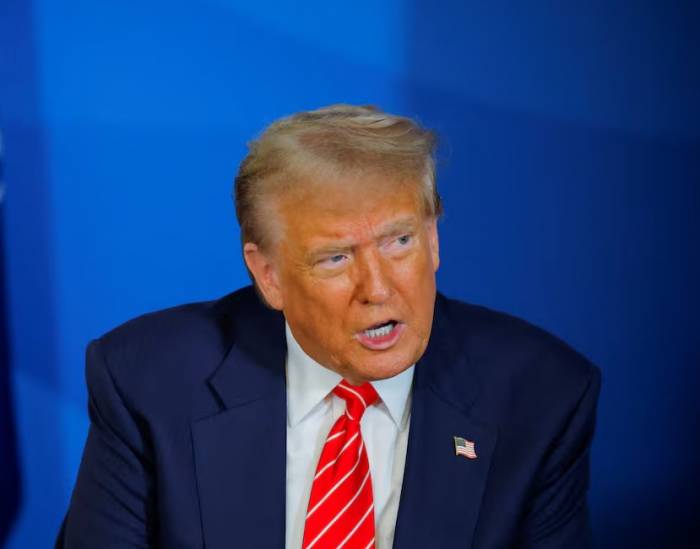
The Trump administration has asked the U.S. Supreme Court to urgently review a case that could determine the future of tariffs imposed under a 1977 emergency law. This request follows an August 29 decision by a federal appeals court that struck down most of the tariffs, which have been a central part of President Donald Trump’s economic and trade strategy since his return to office in January.
The Justice Department filed its appeal on Wednesday, seeking a fast-track review. The administration wants the Supreme Court to decide whether it will hear the case by September 10 and to schedule arguments for November. The Supreme Court’s new term begins October 6.
Solicitor General D. John Sauer, representing the administration, emphasized the importance of the case in a written filing. He argued that the tariffs are essential for promoting peace and economic prosperity, and that losing tariff authority would leave the U.S. vulnerable to trade retaliation and economic instability.
The legal dispute centers on Trump’s use of the International Emergency Economic Powers Act (IEEPA), a law designed to give presidents broad authority during national emergencies. Historically, IEEPA has been used to impose sanctions or freeze assets against foreign adversaries, not to levy tariffs. Trump’s administration has used IEEPA to justify “reciprocal” tariffs aimed at reducing trade deficits and as leverage in negotiations with countries such as China, Canada, and Mexico. Some of these tariffs were also intended to address issues like fentanyl trafficking.
The recent appeals court ruling found that Trump exceeded his authority under IEEPA by imposing tariffs, stating that Congress did not intend for the law to grant presidents unlimited power over trade policy. The court’s 7-4 decision also cited the Supreme Court’s “major questions” doctrine, which requires clear congressional authorization for executive actions with significant economic or political impact.
The lawsuits challenging Trump’s tariffs were brought by small businesses and a coalition of 12 states, most led by Democratic governors. Plaintiffs include importers such as a New York wine and spirits company and a Pennsylvania sport fishing retailer. They argue that only Congress has the constitutional authority to impose taxes and tariffs, and any delegation of this power must be explicit and limited.
Attorneys for the small businesses are not opposing the government’s request for Supreme Court review. Jeffrey Schwab of Liberty Justice Center said they are confident in their case and hope for a quick resolution, citing harm to small businesses caused by the tariffs.
Treasury Secretary Scott Bessent supported the administration’s appeal in a declaration, warning that the appeals court decision undermines Trump’s ability to conduct diplomacy and protect national security.
The U.S. Court of International Trade in New York previously ruled against Trump’s tariff policies in May. Another federal court in Washington also found that IEEPA does not authorize these tariffs; that decision is under appeal as well. In total, at least eight lawsuits have challenged Trump’s use of tariffs since his return to office.
This legal battle comes as another major case involving the independence of the Federal Reserve may also reach the Supreme Court soon, potentially setting up significant tests for Trump’s economic agenda in the coming months.