French vineyards begin 2025 grape harvest weeks early as heatwaves disrupt tradition
Rising temperatures accelerate grape ripening, challenge winemakers to balance quality and regulations amid climate change pressures
2025-08-25
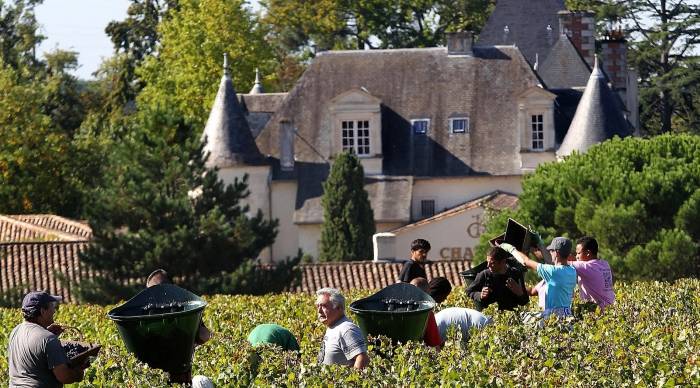
French winegrowers have started the 2025 grape harvest earlier than usual, as high temperatures continue to reshape the country’s traditional winemaking calendar. This year, many vineyards across France began picking grapes weeks ahead of the typical September-to-October harvest season. The early start is a direct response to a summer marked by heatwaves and drought, with some regions experiencing temperatures close to 40°C (104°F).
At Château Carbonnieux, a well-known estate in the Bordeaux region, workers began harvesting white wine grapes on August 19. In previous decades, the harvest would not have started before mid-September. Eric Perrin, owner of Château Carbonnieux, said that the current climate feels much more Mediterranean than Atlantic. He noted that while hot summers were once rare—recalling years like 1989 and 2003—since 2018, high temperatures have become increasingly common.
The impact of this heat is clear in the vineyards. Grapes are ripening faster, leading to higher sugar content at harvest. This results in wines with higher alcohol levels after fermentation. Perrin explained that in the past, a decade might yield two great vintages, five average ones, and three poor ones. Now, he says, the quality is generally higher due to the warmer conditions.
However, these changes bring new challenges for winemakers. French regulations for wines with protected designation of origin (AOC) set strict limits on sugar content and alcohol levels. For white wines in particular, excess sugar can push alcohol content above 14 percent—higher than what is typically preferred by consumers and allowed by AOC rules.
Andrea Perrin, the family’s winemaker, is responsible for ensuring that their wines meet these requirements. She explained that only a small portion of their 45-hectare vineyard is affected by excessive sugar levels this year. To balance out the early-harvested grapes, they plan to pick later from clay-rich plots that retain more water and acidity. Grapes from these areas are expected to help lower the final alcohol content of their white wine blends to around 12 or 13 percent.
The situation at Château Carbonnieux reflects broader trends across France’s wine regions. Growers are adapting their practices to cope with unpredictable weather patterns and rising temperatures. Some are experimenting with new grape varieties or changing vineyard management techniques to preserve acidity and freshness in their wines.
The early harvest is just one sign of how climate change is affecting French viticulture. As growers face hotter summers and shifting seasons, they must find new ways to maintain quality while respecting long-standing traditions and regulations. The experience at Château Carbonnieux shows both the difficulties and resilience of France’s wine industry as it navigates an uncertain future.
