OIV international ampelography course in Germany gathers global experts to advance grapevine identification
Focus on sustainable viticulture and disease-resistant varieties highlights growing importance of genetic resources in wine production
Friday, August 22, 2025
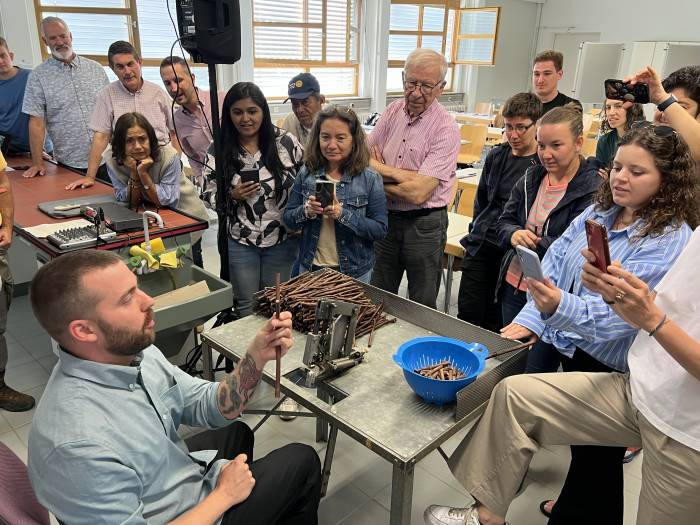
The 4th edition of the OIV International Ampelography Course took place in Germany from July 21 to July 25, 2025, bringing together 25 participants from 18 countries. The event was hosted at the Julius Kühn Institute in Siebeldingen and Hochschule Geisenheim University. This annual course, organized by the International Organisation of Vine and Wine (OIV), has become a key reference for training in grapevine variety identification since its revival in 2021.
Ampelography, the science of identifying and describing grapevine varieties, plays a crucial role in viticulture and the wine trade. Accurate identification of grapevine varieties is essential for maintaining genetic heritage, supporting sustainable viticulture, and ensuring reliable data for global wine production. The discipline also helps address challenges related to climate change, market demands, and pest and disease management.
The course included both theoretical sessions and practical field observations. Participants learned about updates to OIV ampelographic descriptors and explored new approaches to grapevine identification being developed around the world. A significant focus this year was on breeding new grapevine varieties resistant to fungal diseases—known as PIWI varieties—and developing new rootstock cultivars. These topics reflect ongoing efforts to promote resilient and sustainable viticulture.
The program aligns with the OIV Strategic Plan for 2025–2029, which emphasizes the preservation and development of grapevine genetic resources. The course aims to create consistent data on grapevine varieties, maintain up-to-date guidance on identification methods, and support the understanding of heritage varieties as solutions for current and future challenges in viticulture.
Lecturers for the course were recognized experts in ampelography and active contributors to the OIV Commission Viticulture. Their expertise was instrumental in delivering high-level training to participants. As a gesture of appreciation, each participant received a watercolor painting of Riesling by illustrator Anne Pieussergues Dherbicourt, serving as a memento of their experience.
The OIV expressed gratitude to its German partners—the Julius Kühn Institute and Hochschule Geisenheim University—for their collaboration and hospitality. The Director General of the OIV highlighted the importance of the course, noting that its strength lies in the expertise of internationally recognized ampelographers who are committed to sharing knowledge across borders.
The event concluded with an evaluation session and the awarding of certificates of completion to all participants. The continued success of the OIV International Ampelography Course underscores its role in supporting the sustainable development and resilience of the global vine and wine sector.