European wines face new 15 percent US import tariffs after talks fail to reach agreement
Industry leaders warn of economic impact as producers and importers brace for higher prices and potential loss of market share
Thursday, August 21, 2025
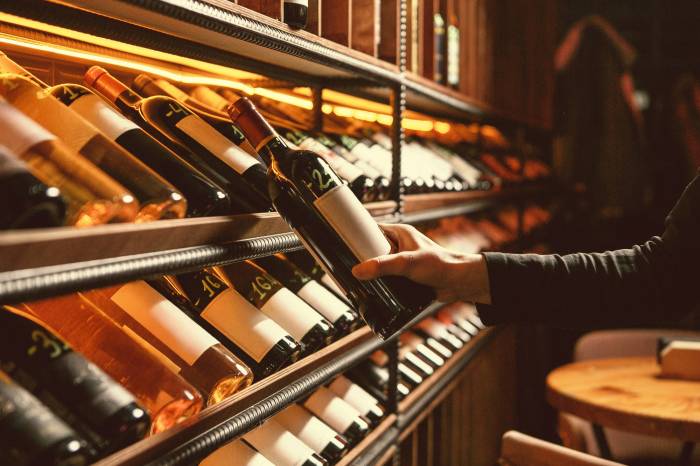
The European Union and the United States have failed to reach an agreement to exempt European wines from new American import tariffs. Maros Sefcovic, the European Commissioner for Trade, announced the outcome during a press conference on Thursday. He stated that despite ongoing negotiations, the two sides could not finalize a deal to spare the wine sector from tariffs. Sefcovic emphasized that talks would continue and that “the doors are not closed forever.”
The issue centers on a 15% tariff that will apply to European wines entering the U.S. market. This measure has been a point of concern for several European countries, especially France and Italy, whose wine industries rely heavily on exports to the United States. Laurent Saint-Martin, France’s Minister Delegate for Foreign Trade, recently highlighted the importance of the American market for French wine producers, describing it as vital to both the economy and regional identity.
According to a joint statement released by both parties, the 15% tariff will take effect once the European Union enacts legislation to reduce its own customs duties. Sefcovic said that the EU is working “with determination” to launch this legislative process as quickly as possible.
The United States is currently the largest export market for French wines and spirits, with sales reaching 3.8 billion euros in 2024, according to data from the Federation of Exporters of Wines and Spirits (FEVS). The prospect of new tariffs has raised alarm among industry leaders. Jérôme Despey, head of the wine division at France’s main agricultural union FNSEA, warned in late July that such a move would be disastrous for an industry already facing significant challenges. He urged the European Commission not to ease up in negotiations with Washington.
The new tariffs present difficult choices for European wine producers. They must decide whether to raise prices in the U.S.—risking a loss of market share—or absorb the cost by reducing their profit margins. For many smaller producers, absorbing such costs may not be feasible.
American importers and distributors are also expected to feel the impact. Many had joined their European counterparts in calling for an exemption from tariffs, arguing that higher prices could hurt sales and limit consumer choice in the U.S. market.
As negotiations continue without resolution, both sides face uncertainty over how these tariffs will affect trade and business in one of the world’s most important wine markets. The situation remains fluid as officials work toward a possible compromise in future discussions.