Sweden eases alcohol sales for local producers with strict limits after more than a century of tight regulation
New law allows direct sales at distilleries, breweries, and vineyards while maintaining strong public health safeguards and state monopoly
Tuesday, June 3, 2025
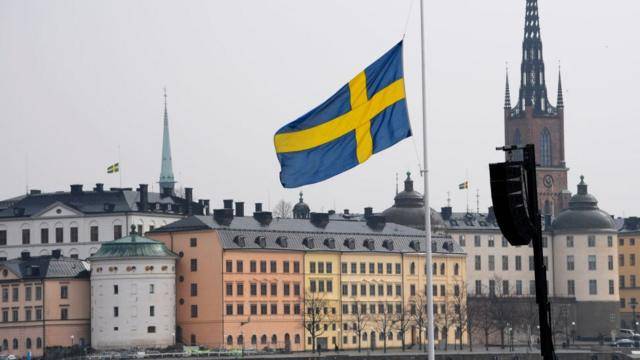
On June 1, Sweden introduced a significant change to its alcohol laws, allowing local distilleries, breweries, and vineyards to sell their products directly to visitors for the first time in over a century. The reform comes with strict limitations and is designed to support tourism and small producers while maintaining the country’s longstanding commitment to public health and controlled alcohol consumption.
Under the new law, producers can sell only limited quantities: distilleries may offer one 0.7-liter bottle per visitor after a paid tour, and breweries and vineyards are restricted to three liters per person. Sales are permitted only between 10 a.m. and 8 p.m., and always after an educational warning about the risks of alcohol consumption. These measures reflect Sweden’s cautious approach, rooted in a history of tight regulation dating back to the early 20th century.
Anna Anerfält, chief executive of Norrtelje Bränneri, a craft distillery north of Stockholm, described the reform as a modest but positive step for local businesses. She noted that while the change is welcome, its impact on sales may be limited due to the strict bottle limits. Anerfält emphasized that most Swedish producers support the principle of maintaining strong controls on alcohol sales.
Systembolaget, Sweden’s state-run alcohol retailer, has been the sole legal outlet for off-premise alcohol sales since its establishment in 1955. The monopoly was created to curb excessive drinking and related social problems. The new rules are expected to increase national alcohol sales by about 200,000 liters annually—a figure that represents less than one percent of Systembolaget’s current volume, according to a 2021 government report.
Sweden’s relationship with alcohol has long been marked by caution. In 1922, Swedes narrowly voted against prohibition in a national referendum, but public attitudes have remained wary ever since. The country enforces some of Europe’s highest alcohol taxes and maintains strict advertising bans. Public officials often cite World Health Organization data showing that these policies have helped keep Swedish alcohol consumption among the lowest in Europe.
Not everyone welcomes the new law. Alexander Ojanne, head of social affairs and public safety at Stockholm’s municipal council, expressed concern that even small increases in alcohol availability could lead to more social problems. He stressed that reducing such issues remains a priority for city officials.
Microbreweries in Stockholm face additional restrictions under the new system. They are allowed to sell directly only during Systembolaget’s operating hours, which excludes late evenings, Saturday afternoons, and Sundays—times when demand from visitors might be highest.
The reform also raises questions about Sweden’s position within the European Union. When Sweden joined the EU in 1995, it secured an exemption allowing Systembolaget’s monopoly to continue despite EU free-market rules. Some critics worry that even limited direct sales could prompt EU authorities to challenge this arrangement and push for broader liberalization of Sweden’s alcohol market.
Lucas Nilsson, chairman of the temperance group IOGT-NTO, voiced concerns that farm sales could undermine Systembolaget’s monopoly over time. He warned that if EU pressure mounts, Sweden might eventually be forced to dismantle its unique system altogether.
For now, Swedish producers are proceeding with caution as they adapt to the new law. The government continues to balance support for local businesses and tourism with its commitment to public health and social stability—a balancing act that has defined Sweden’s approach to alcohol policy for generations.