Ozempic and Wegovy Alter Alcohol Consumption Trends
Semaglutide drugs reshape drinking habits, challenge alcohol industry, and drive demand for non-alcoholic and mindful drinking options.
2025-04-02
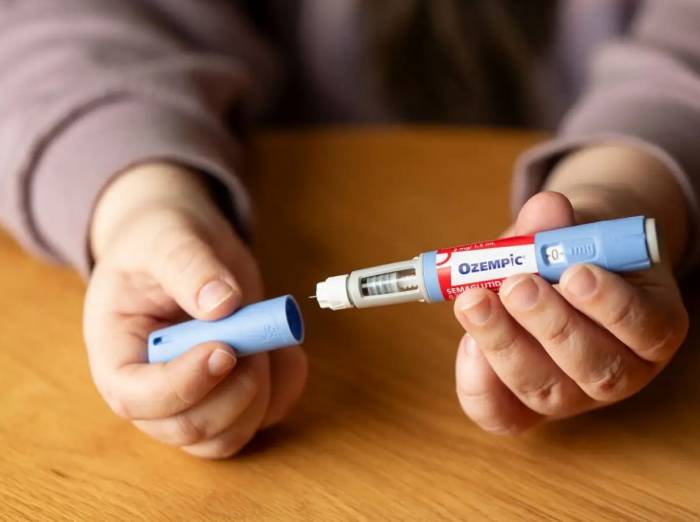
The rise of semaglutide drugs like Ozempic and Wegovy is creating ripples in the alcohol industry. These medications, originally developed to treat type 2 diabetes, have gained popularity for their appetite-suppressing effects, with an estimated 15 million Americans currently using them. Beyond curbing food cravings, many users report a reduced desire for alcohol or even adverse reactions to it. This trend is raising questions about the potential impact on alcohol consumption and the broader beverage industry.
In Dallas, Texas, Trova Wine and Market, a sommelier-driven wine bar, closed its doors in January. Owner Michelle Bonds attributed the closure partly to the growing "sober curious" movement and the influence of drugs like Ozempic. Similarly, Fundsmith Equity, an investment fund led by Terry Smith, sold its stake in Diageo, citing concerns about the effects of GLP-1 medications on the drinks sector. Smith noted in a shareholder letter that these drugs could pose a significant challenge to the industry.
Semaglutide drugs work by mimicking a hormone called GLP-1, which slows digestion, suppresses appetite, and signals fullness to the brain. While these effects have made the drugs effective for weight loss, they also appear to influence alcohol consumption. Many users report a diminished tolerance for alcohol or a complete aversion to it. For example, Stefanee Clontz, a medical spa director in Atlanta, shared that even a small amount of red wine made her feel unwell after taking semaglutide for just 12 weeks. She has avoided red wine for over a year since.
Research supports these anecdotal experiences. A government-funded study in February highlighted the potential of Ozempic to treat alcohol abuse, marking a breakthrough in addiction treatment. However, this development is causing concern among alcohol producers, retailers, and marketers. The industry, already grappling with challenges like tariffs, climate issues, and changing consumer habits, now faces the possibility of reduced demand due to these medications.
The effects of Ozempic on drinking habits are not uniform. Some users can still enjoy alcohol in moderation, while others abstain entirely. Bartender Alex Jump, founder of Focus on Health, has observed a growing demand for non-alcoholic beverages, which she partially attributes to the increasing use of GLP-1 drugs. Beverage director Jenn Tosatto, who has been using a semaglutide alternative, noted that many of her guests are shifting away from sugary drinks. Some are opting for lower-sugar cocktails or non-alcoholic options, reflecting a broader change in preferences.
Online forums like Reddit are filled with discussions about what to drink while on Ozempic. Users share tips for low-sugar or low-alcohol options, such as soda water with bitters or vodka tonics. A Toronto cocktail bar owner mentioned that his happy hour business has been thriving, possibly because Ozempic users are advised to consume alcohol earlier in the day. Data from CGA’s Cocktail Sales Tracker supports this, showing a decline in late-night drinking but an increase in mid-afternoon consumption.
The impact of Ozempic extends beyond drinking habits to purchasing patterns. Some wine club members have paused or canceled their subscriptions, citing the effects of the drug. Tommy Fogarty, owner of Thomas Fogarty Winery in California, noted that a few members have openly attributed their reduced wine consumption to Ozempic. An anonymous owner of a natural wine club reported a 50% drop in subscriptions between 2022 and 2024, which they believe reflects broader changes in consumer behavior, including the adoption of weight loss drugs.
For some users, Ozempic has fundamentally altered their relationship with alcohol. Journalist Tania Williams, who started Wegovy two months ago, said she can no longer tolerate even a sip of alcohol. Others, like Melissa Galla, have found that the drug reduces cravings and noise around alcohol, leading to decreased consumption and lower tolerance. Galla canceled her wine club subscription shortly after starting Ozempic.
The alcohol industry is already navigating a challenging landscape. After years of growth, it now faces declining demand, economic pressures, and shifting cultural attitudes. Joshua Brown, a beverage director in New York City, believes that Ozempic is just one of many factors contributing to the downturn. He points to lifestyle changes post-pandemic, increased use of CBD, and a general move toward healthier living as additional influences.
Some industry professionals see an opportunity for adaptation. Terry Smith, who sold his Diageo shares, predicted that consumers might drink less but opt for higher-quality products. Tosatto has observed a similar trend among her guests, who are becoming more intentional about their drinking. They may savor a single glass of wine rather than consuming multiple drinks.
The rise of Ozempic and similar drugs is part of a larger narrative about changing consumer priorities. While it remains to be seen how significant their impact will be, the alcohol industry is taking note. Bartenders, producers, and marketers are exploring ways to adapt to these shifts, whether by offering more non-alcoholic options or catering to a growing demand for mindful drinking.
As the popularity of GLP-1 medications continues to grow, the alcohol industry faces a period of uncertainty. Whether Ozempic represents a standalone threat or a symptom of broader cultural changes, its influence is undeniable. Industry professionals are watching closely, ready to adjust to a landscape that is evolving in real time.

Founded in 2007, Vinetur® is a registered trademark of VGSC S.L. with a long history in the wine industry.
VGSC, S.L. with VAT number B70255591 is a spanish company legally registered in the Commercial Register of the city of Santiago de Compostela, with registration number: Bulletin 181, Reference 356049 in Volume 13, Page 107, Section 6, Sheet 45028, Entry 2.
Email: [email protected]
Headquarters and offices located in Vilagarcia de Arousa, Spain.