California’s New Wine Regions Suffer as Grape Prices Fall
Growers in Lodi, Edna Valley and other appellations face abandoned vineyards and shrinking demand as California’s wine market contracts
2026-05-14
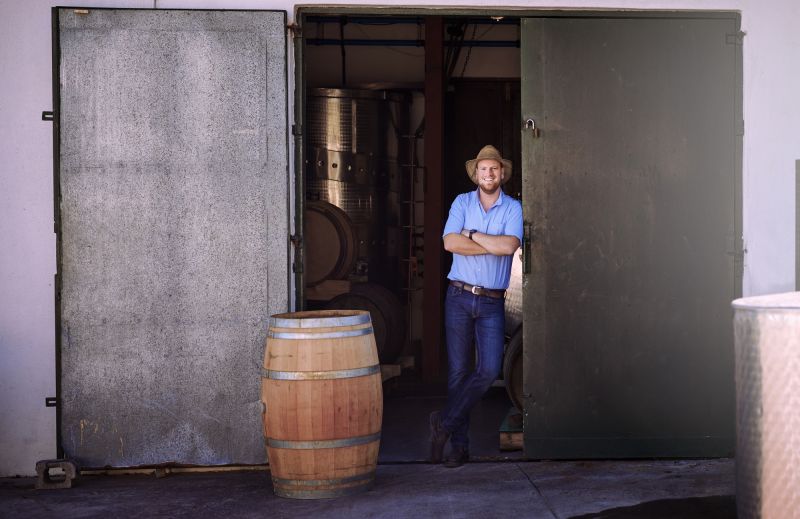
California’s newer wine regions are under growing economic pressure as demand for wine grapes falls, leaving growers in places such as Lodi, Edna Valley, Fiddletown, the Kelsey Bench and the Dunnigan Hills with low prices, abandoned vineyards and fewer buyers for fruit that once commanded a premium.
The strain is part of a broader shift in the state’s wine industry, where consumption has declined and the market has moved away from the expansion that helped fuel the rise of many American Viticultural Areas over the past 25 years. In that earlier period, growers and wineries pushed for recognition of new appellations because land in Napa and Sonoma was too expensive, and an AVA designation could help them market wines by place of origin and raise grape prices. That strategy worked for years, especially as consumers became more interested in terroir and region-specific wines.
Now the economics have changed. Erik McLaughlin, chief executive of Metis Mergers & Acquisitions, said the pain is not evenly spread but that no region is doing well. He said the problem is concentrated at the value end of the market, though it affects the industry broadly. Andrew Adams, editor of Wine Analytics Report, said older drinkers who helped drive wine’s growth are consuming less, while younger adults are drinking less wine than previous generations did at the same age. He described the shift as a structural reset rather than a temporary downturn.
For growers, the decline is especially severe because they must sell a crop every year. McLaughlin said wineries can respond to weaker sales by buying less fruit, making less wine and discounting inventory, but that leaves vineyard owners exposed. He said even a 5% drop in winery sales can lead to a 20% to 40% cut in grape purchases. That has accelerated vineyard removals even in Napa and Sonoma, where land values and brand recognition remain strong.
The impact is sharper in lesser-known appellations that were built around affordability and differentiation. Jeff Bitter, president of Allied Grape Growers, said many AVAs were created in the 1980s and 1990s because wineries wanted to stand out from competitors. But he said too much differentiation can confuse consumers at a time when interest in wine is already weakening. In his view, highly recognizable regions such as Napa and Sonoma now dominate because they are easier for buyers to understand.
Christian Miller, director of research for the Wine Market Council, said there is an oversupply of wine grapes across regions and that consolidation among large companies has given major buyers more leverage over prices. He said conglomerates such as Constellation have significant power in setting grape prices even in top regions. For growers in newer appellations, he said, those prices often leave little or no profit.
The downturn does not necessarily reflect poor fruit quality. Lake County cabernet sauvignon remains respected, Edna Valley chardonnay continues to draw praise and Lodi has built a reputation for zinfandel. But Miller said even Lodi has struggled because zinfandel has lost favor over time as consumers shifted toward red blends from established brands with stronger marketing power.
Some growers may be able to switch to other crops. Adams said Monterey County has enough vegetable production to offer some alternatives, but many other regions do not have viable options because land is expensive and water can be limited. In some areas, development pressure could also rise as vineyards come out of production.
Others are choosing to idle vineyards rather than remove them entirely. McLaughlin said some owners are mothballing plantings by cutting irrigation, reducing cultivation and skipping harvests so they can return to production if prices improve. But he said that depends on whether demand recovers.
He does not expect a quick return to past levels. Bitter said the industry is moving toward simplification and commoditization, especially in wines priced under $20 a bottle, where large companies are focused more on brands than on promoting individual AVAs. That shift is leaving many growers in newer regions with fewer ways to compete as California’s wine market adjusts to lower consumption and tighter margins.
