Robot bartenders: innovation or threat to human employment?
ADAM the Robot Bartender, innovation in Hospitality
2024-01-23
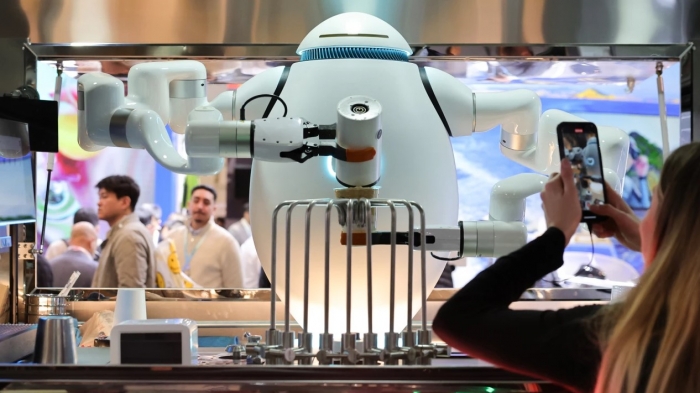
In an era where technological advancements continue to redefine our daily lives, the concept of robot bartenders, once a fanciful idea relegated to science fiction, has become a tangible reality. This emerging trend raises a pertinent question: Are these automated mixologists a threat to human jobs in the hospitality industry?
The recent 2024 Consumer Electronics Show (CES) spotlighted Richtech Robotics' ADAM, a state-of-the-art robot bartender and barista. With its egg-shaped body, clawed hands, and the ability to swivel 360 degrees, ADAM represents the cutting edge in robotic bartending technology. Its ability to prepare a beverage in just about a minute, coupled with newly added capabilities to engage in conversations with patrons, showcases a significant leap in this domain.
Despite the technological marvel that ADAM embodies, its steep price tag of US$180,000 presents a significant barrier to widespread adoption. To date, Richtech has sold only six units. This high cost makes it an unlikely immediate threat to human bartenders, particularly in smaller establishments or those already grappling with financial constraints.
In certain upscale venues and large corporate settings, robot bartenders like ADAM are beginning to find a niche. Richtech has pivoted to renting out these robots for events and has deployed them in select locations such as Botbar Coffee in New York and ClouTea in Las Vegas. These deployments highlight a potential trend where robotic bartenders complement human staff, rather than replace them entirely.
While robots like ADAM may offer efficiency and novelty, there remains an irreplaceable aspect to human interaction in the hospitality industry. The nuances of social interaction, empathy, and the personal touch that human bartenders bring to the experience cannot be fully replicated by machines. This factor might continue to preserve the relevance and necessity of human bartenders in the industry.
Looking ahead, it's conceivable that robot bartenders will become more common, particularly in high-volume, high-end, or unique settings where their efficiency and novelty add value. However, the balance between technological advancement and the preservation of human jobs will likely hinge on finding a harmonious integration of robots like ADAM into the existing fabric of the hospitality industry.
The advent of robot bartenders exemplifies the broader dialogue around automation and employment. While they present an exciting peek into the future of the hospitality industry, their current cost and capabilities suggest that they are more likely to augment rather than replace human staff in the near term. As technology continues to evolve, so too will the dynamics between automated solutions and the human workforce.

Founded in 2007, Vinetur® is a registered trademark of VGSC S.L. with a long history in the wine industry.
VGSC, S.L. with VAT number B70255591 is a spanish company legally registered in the Commercial Register of the city of Santiago de Compostela, with registration number: Bulletin 181, Reference 356049 in Volume 13, Page 107, Section 6, Sheet 45028, Entry 2.
Email: [email protected]
Headquarters and offices located in Vilagarcia de Arousa, Spain.