Addressing the high costs of wine tasting
The debate over accessibility and exclusivity in wine tasting experiences
Friday, October 6, 2023

Views › 1286
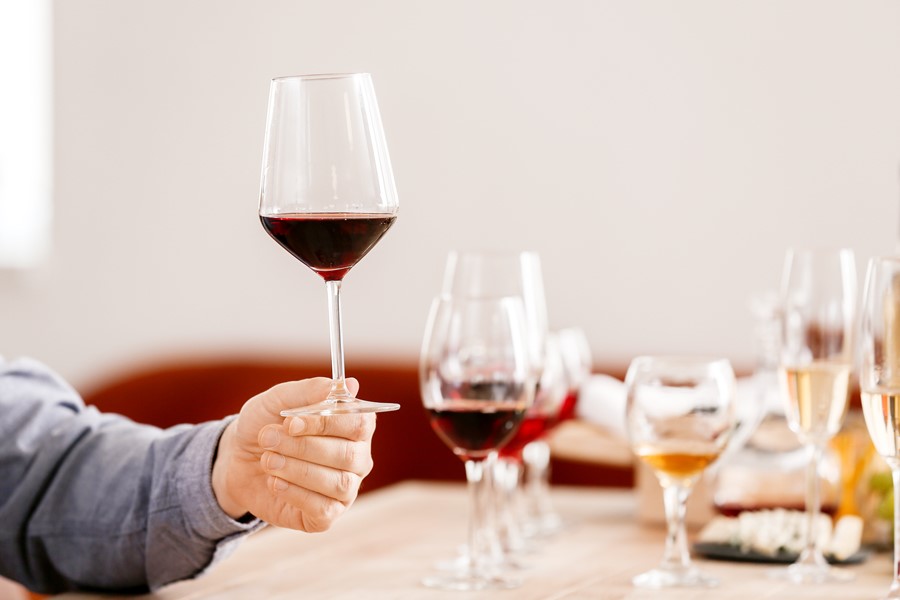
In recent times, tourists venturing to the renowned wineries of Paso Robles have been met with an unwelcome surprise. Tasting room fees, once modest and often nonexistent, have seen a meteoric rise, with many establishments now demanding upwards of $50, and some even hitting the $100 mark. This steep climb in prices has generated widespread concern not only amongst visitors but also within the wine industry.
Matthew Trevisan, a prominent figure in the Paso wine circuit, recently highlighted the accessibility issue this creates for potential patrons. Trevisan, founder of Linne Calodo Cellars, situated in Paso's coveted Willow Creek District, took the step of reducing his standard tasting charge from $40 to a more inviting $20. This decision marked a significant reversal for him, having previously been an advocate for higher prices.
His rationale? The future of wine. Trevisan emphasized the importance of engaging and educating the next generation about wine. He stated, "If we want to attract the next generation of wine drinkers, we need to be able to show them the properties, teach them how wine is produced and explain to them why wine costs what it does." He warns of a lost opportunity if young enthusiasts, particularly those between the ages of 21 to 40, are priced out of these experiences.
Historically, Paso Robles, like many budding wine regions in California, offered complimentary or nominal charges for wine tastings. Over the years, as the area's popularity burgeoned, fees began to rise. Initially, this helped manage larger crowds and justified additional staffing. However, the growing prestige of the region further inflated these prices. The recent pandemic accelerated this trend, with many wineries introducing reservation systems, incorporating food services, and offering "enhanced" tastings, pushing prices even higher in some instances.
Despite the escalating costs, business in Paso Robles remains consistent, albeit slightly muted compared to previous booming years. The general consensus is that prices have plateaued, influenced in part by the broader economic landscape and inflation's dampening effect on consumer spending.
While Trevisan's decision to cut fees has been met with overwhelming approval from customers and industry peers, it appears he remains an outlier. A cursory survey of tasting rooms spanning the Central Coast, stretching from Santa Barbara to Santa Cruz, showcased more wineries elevating their prices than lowering them. However, a glimmer of hope arises as a few establishments have started offering lower-priced entry-level flights.
The broader industry is undoubtedly feeling the pressure. Wine Business Monthly's recent data highlighted the escalating costs in wine regions, with Central Coast's average tasting fees at $25 and enhanced experiences averaging $55. The numbers are higher in renowned regions like Sonoma and Napa.
Amid this landscape, wineries are grappling with the challenge of attracting younger wine aficionados. Matthew Bieszard from Gleason Family Vineyards opined that an experiential approach appeals to all age groups. Bieszard's establishments provide this through farm-to-table menus and exclusive vineyard tastings, noting an uptick in younger club members.
Conversely, Jean-Pierre Wolff of Edna Valley believes that while the experience is paramount for younger audiences, sustainability and flexibility in reservations also play a role. He cautions against drastically reducing fees, especially for wineries that maintain wine tasting as an exclusive experience.
Reflecting on his younger days, Trevisan questioned the feasibility for younger individuals today to navigate wine country's financial demands. Beyond the tasting fees, ancillary costs related to travel, accommodation, meals, and more can quickly mount.
In a concluding note, Trevisan stressed the need for wineries to foster long-term relationships with patrons, aiming for repeat visits rather than occasional luxury experiences. He firmly stated, "We want to make it more approachable."