Australia's wine woes
Generations of tradition face a new reality
Friday, March 15, 2024

Views › 1991
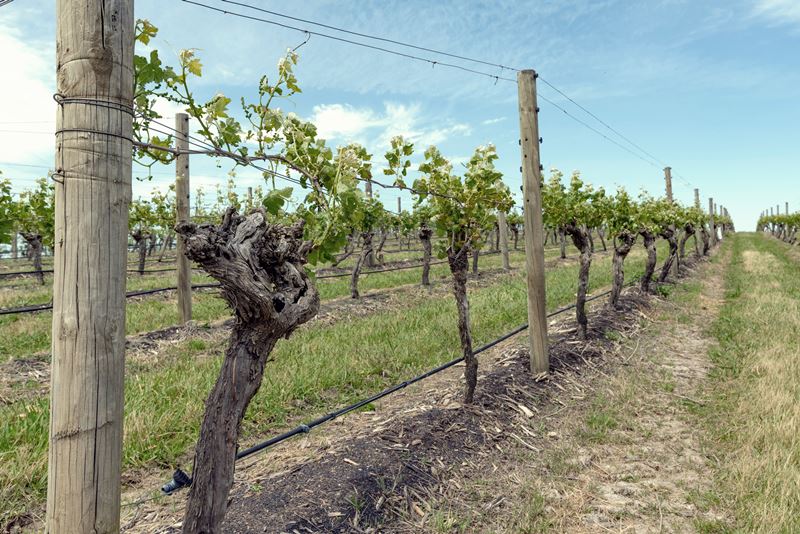
In the lush vineyards of Australia, where the art of winemaking stretches back generations, a crisis is unfolding. The country, famed for its rich and diverse wines, is facing a glut that is compelling grape growers to make a heartbreaking decision: destroying millions of vines. This drastic measure highlights the precarious balance between production and demand in the global wine industry, a sector that's currently grappling with an excess that threatens to undermine its very foundations.
The crisis didn't emerge overnight. According to the International Organisation of Vine and Wine (OIV), global wine production outstripped demand by a staggering 10% in 2023, creating a surplus that's exerting downward pressure on prices and placing the livelihoods of wine producers at risk worldwide. For Australian vintners, already reeling from a diplomatic spat with China that effectively closed off their largest export market, the situation has become dire. The punitive tariffs imposed by Beijing in 2020 decimated demand for Australian wine in China, compelling producers to pivot to other markets. Unfortunately, this shift coincided with a decrease in wine consumption in key regions such as Europe and North America, further exacerbating the problem of excess stock.
The figures are sobering. IWSR data indicates a decline in wine consumption across several major markets in 2023, including a 4.5% drop in the UK, 2.7% in the USA, and 2% in France. Australia wasn't immune to this trend, with domestic wine consumption also falling by 1.7%. With over 2 billion litres of wine languishing in storage—equivalent to around two years of production—some of the surplus is spoiling, forcing producers to offload their stock at significantly reduced prices.
The economic impact on grape growers has been profound. James Cremasco, a fourth-generation grower in the Riverina region, watched helplessly as excavators tore through vines planted by his grandfather, a vivid illustration of the grim reality facing many in the industry. The plummeting price of red grapes, from A$659 per tonne in 2020 to just over A$100 in some cases, coupled with rising costs for fuel and fertiliser, has rendered the production of certain wines economically unfeasible. This stark downturn has led some, like Andrew Calabria, another third-generation winemaker, to declare it the end of an era for regions historically focused on producing inexpensive bulk table wines.
In response to these challenges, some large producers are pivoting towards more expensive wines, which continue to enjoy robust sales. Yet, for many growers in areas like the Riverina, the shift in strategy comes too late. The landscape is changing, quite literally, as fruit and nut trees take the place of vineyards. Tony Townsend's decision to destroy half of his healthy vineyard underscores the desperation of producers trying to stem financial losses in the face of collapsing grape prices.
This crisis is not Australia's burden alone. From California to France, wine-producing regions are confronting similar oversupply issues, with measures being taken to destroy surplus wine in hopes of stabilizing prices and supporting producers. The global wine industry, once buoyant with a peak consumption of 25 billion litres in 2007, is now in a state of decline, raising questions about its future direction.
As we witness the transformation of Australia's wine landscape, the implications extend beyond the immediate economic fallout. There's a cultural and historical dimension to consider, as generations of knowledge and tradition face the threat of extinction. The current crisis prompts a reflection on sustainability and adaptation in the face of shifting global consumption patterns, inviting a broader conversation about the future of wine in Australia and beyond.