New York's wine retailers rally against grocery store sales legislation
Preserving tradition or embracing change?
Tuesday, February 6, 2024

Views › 1728
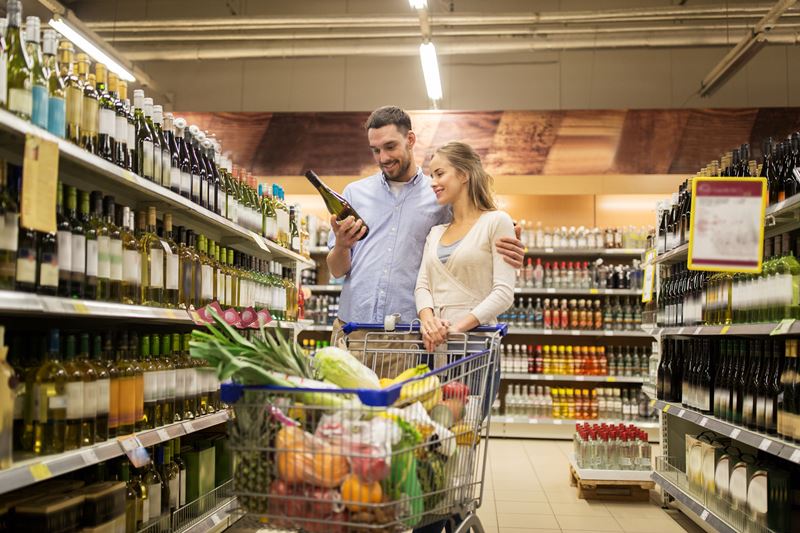
In a move that has stirred significant controversy within the Empire State's beverage alcohol retail sector, New York wine and spirits retailers are vociferously opposing proposed legislation that would authorize the sale of wine in grocery stores. This legislative shift, as proposed, threatens to upend a retail landscape that, for nearly a century since the end of Prohibition, has been the exclusive domain of independent wine and liquor stores. Mark Grimaldi, the owner of The Cellar D'or in Ithaca, New York, encapsulates the sentiment of many small business owners, arguing that the convenience offered by grocery stores selling wine will deter consumers from patronizing specialized wine retailers, potentially decimating a longstanding industry.
The current New York State law, which has been in effect since the repeal of Prohibition in 1933, maintains a strict separation between wine and spirits retailers and other types of stores. It allows for only one retail license per entity and explicitly prohibits the operation of wine and spirits chains or franchises, thereby fostering a marketplace dominated by approximately 3,800 small, often family-owned, businesses. These retailers serve as cultural and economic staples within their communities, offering a level of expertise, selection, and service that they argue cannot be matched by grocery stores.
The bills in question, S.6786 and A.6989, introduced by state senator Liz Krueger (D-Manhattan) and assembly member Pamela Hunter (D-Syracuse), aim to modernize New York's beverage alcohol retail landscape by allowing wine sales in up to 1,900 grocery store locations. This proposal mirrors the retail practices in 40 other states and Washington, D.C., where wine is already available in grocery outlets, a factor that proponents argue aligns with consumer demand for convenience and accessibility.
However, opponents of the legislation, such as Michael Correra, executive director of the Metro Package Store Association and owner of Michael-Towne Wines & Spirits in Brooklyn, argue that allowing wine sales in grocery stores would not only provide an unfair competitive advantage to large grocery chains but also potentially lead to increased underage access to alcohol due to the prevalence of minors working and the use of self-checkout systems in these stores. Furthermore, Correra and others assert that the legislation would undermine the specialized service and selection offered by dedicated wine and spirits retailers, effectively prioritizing corporate interests over those of small businesses and connoisseurs.
The debate also extends to the implications for product diversity and quality. Grimaldi, for example, highlights the superior selection, knowledge, and service that specialized wine shops like his can offer, aspects of the retail experience that he believes would be diluted in a grocery store setting. This concern is underpinned by the fear that the introduction of wine into grocery stores would precipitate a homogenization of the market, where the depth and breadth of wine offerings could be significantly reduced in favor of more commercially popular or profitable selections.
This issue is not unique to New York, as similar legislative changes in other states have shown. In Colorado, the expansion of wine sales to establishments with a retail beer license has reportedly led to a significant decline in sales for independent beverage alcohol retailers. New York's wine and spirits retailers foresee a similar outcome should the proposed bills pass, predicting not only a decline in sales but also an erosion of the community and cultural value these businesses contribute.
As the debate continues, the future of New York's wine and spirits retail industry hangs in the balance, with implications for consumer choice, small business viability, and the broader cultural landscape of wine consumption in the state. The opposition from small business owners like Grimaldi and Correra underscores a fundamental tension between the pursuit of convenience and the preservation of a rich, diverse, and expertly curated wine market that has been a hallmark of New York's retail environment for decades.