New York's Senate Bill S1817: navigating biometric verification in alcohol sales
NY's biometric bet: a new era for age verification in liquor sales?
Tuesday, September 5, 2023

Views › 1394
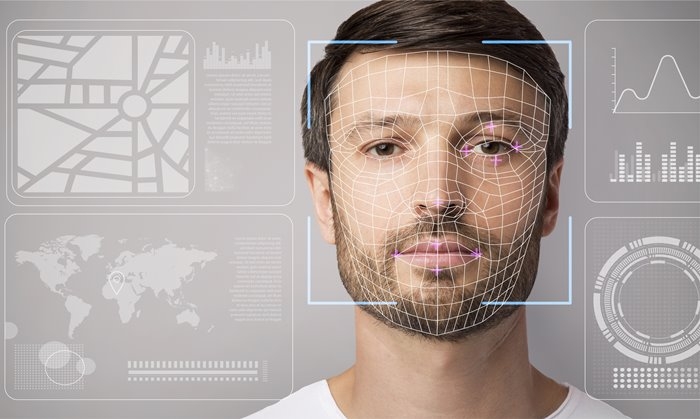
New York is considering a radical shift in the way age verification is conducted for alcohol sales. Senate Bill S1817, introduced by Democratic State Senator James Skoufis in 2021, is charting a path that merges technology with tradition.
Bill S1817 proposes the introduction of biometric identity verification for New York's beverage alcohol retailers. This involves creating a highly secure, encrypted database to store biometric information, primarily fingerprints. This database could then be accessed by both spirits and tobacco sellers to verify a person's age using a biometric scanning device. Initially routed to the state Senate's Investigations and Government Operations Committee, the bill is now awaiting deliberation in the Rules Committee. This legislation could face its decisive vote in the 2024 legislative session.
Retailers' Perspective: A Welcome Option with Practical Concerns
There's a palpable mix of anticipation and apprehension among New York liquor store owners concerning this technological advancement. The Retailers Alliance of New York, representing about 150 major beverage alcohol retailers spanning from Long Island to Buffalo, leans towards embracing technological solutions that deter minors from obtaining alcohol. Jeff Saunders, the alliance's president, opined, "As long as we have an option to verify the ID of consumers who prefer not to participate, our members can decide if they wish to integrate biometrics into their operations, contingent on the security and fluidity of the transaction."
However, Saunders expresses reservations about customer acceptance, emphasizing that they shouldn't feel coerced into sharing biometric information. Michael Correra, executive director of the Metro Package Store Association and owner of Michael-Towne Wines & Spirits in Brooklyn, supports the tech-driven approach, stating, "If the technology exists, then why not? Anything that offers us an additional layer of verification is beneficial."
Comparative Analysis: Biometrics Elsewhere
The adoption of biometrics isn't entirely new. Seattle's CenturyLink and Safeco Fields began utilizing biometric scanning for age verification and payment for beverages in 2018. Furthermore, the Transportation Security Administration adopted facial recognition technology in 2020 for passenger verification at Ronald Reagan Washington National Airport, boasting a 100% verification rate.
Privacy Concerns: A Resounding Echo
Despite these advancements, not all reactions to the bill are positive. The Georgetown Law Center on Privacy and Technology and similar advocacy groups sound alarms over potential privacy breaches. Although the bill restricts the dissemination or resale of biometric data for activities like advertising, there are provisions that allow its release under specific legal conditions.
Reiterating concerns, Saunders remarked, "I'm unsure of the number of consumers willing to commit their fingerprints to such a system."
The Path Forward
While driver's license scanners have become more prevalent and accessible, many hope biometric scanning follows a similar trajectory in terms of affordability. Correra projects optimism but is cautious about the responsibilities that come with handling biometric data.
The evolution and eventual embrace or rejection of biometric ID verification rests on several determinants. Correra sums it up succinctly, stating that while he sees the advantages of this tech-driven approach, his reservations about safeguarding personal data remain paramount.