Colombian Shopkeepers Warn That Higher Alcohol Taxes Could Hurt Neighborhood Stores
Merchants told lawmakers that higher beer prices could erode daily sales, with one shopkeeper estimating that the price of a beer could double
Sunday, November 29, 2026

Views › 260
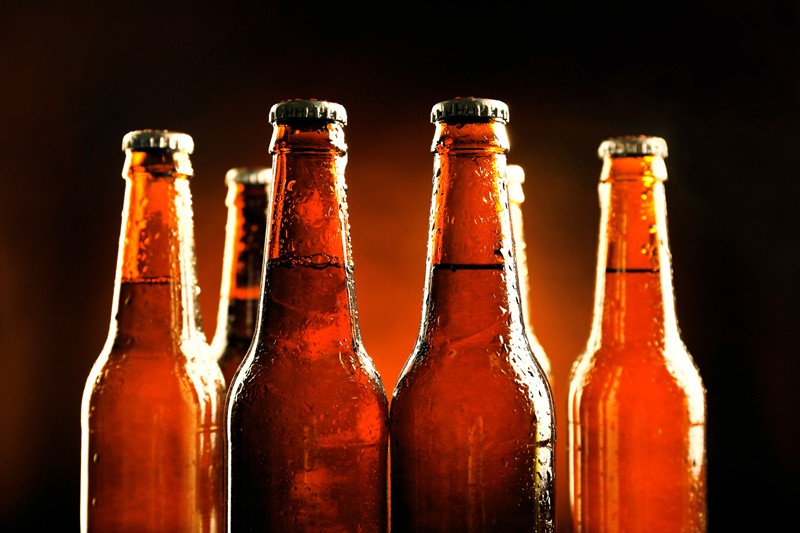
Colombian neighborhood shopkeepers, retailers and tourism business owners warned on Saturday, November 28, that a proposed tax increase on beer and liquor could hurt small businesses, raise consumer prices and push some buyers toward illegal products.
The concerns were aired during public hearings on the Economic Rescue and Fiscal Law bill in Barranquilla and Cali, where trade groups, small merchants and other participants told members of Congress that the tax proposal could add pressure to businesses that already face high operating costs.
One of the strongest objections centered on beer, which shopkeepers described as a key product for neighborhood stores. According to participants in the hearings, beer sales help sustain daily cash flow and also drive purchases of other goods, making the category important beyond direct alcohol revenue.
Ulises Ortiz, a shopkeeper in Barranquilla who said he has worked in the trade for more than 20 years, told lawmakers that a tax increase would likely be passed on to consumers. He estimated that a beer now sold for 3,500 Colombian pesos could rise to between 5,000 and 7,000 pesos if the proposal moves forward.
Ortiz said that kind of increase would be difficult for the regular customers of small neighborhood stores, many of whom are low- and middle-income consumers. If buyers cut back, he said, store income would fall and jobs could be at risk.
He said his business supports three families and employs seven workers, some of whom work shifts of up to 17 hours a day.
The hearings brought together members of the Joint Third and Fourth Economic Commissions of Colombia’s Congress, which have been reviewing the fiscal adjustment proposal. The public sessions in Barranquilla ended on Friday, November 27, after representatives from business groups, social organizations and local companies laid out their concerns about how the bill could affect their operations.
Merchants said the possible tax increase would arrive at a difficult moment for small stores, which are already dealing with rising utility bills, especially electricity costs. In Barranquilla, some traders also told lawmakers that extortion by criminal groups has become another heavy burden, with demands for weekly payments and year-end charges cutting into already thin margins.
In that environment, Ortiz warned, another tax burden could force some shopkeepers to reduce staff, scale back operations or close altogether.
Participants in the hearings also argued that higher taxes on legal beer and liquor could create room for illegal trade. Their concern is that if formal products become more expensive, some consumers may look for cheaper alternatives in the black market, including smuggled alcohol or adulterated liquor. Merchants said that would not only hurt legal businesses but could also create health risks.
The proposal remains under discussion and has not been approved. Still, the debate is being closely watched across Colombia’s beverage market because beer is one of the country’s most widely sold drinks in small retail channels. Any tax change could alter pricing, consumption patterns and distribution for brewers, wholesalers and corner stores, especially in working-class neighborhoods where small-format retail remains central to sales.
Tourism business owners also expressed concern during the hearings, saying higher prices for beer and spirits could weaken spending in bars, restaurants and other hospitality venues. For businesses that depend on volume sales, even a modest drop in consumption could affect hiring and operating decisions.
The issue has become especially sensitive because neighborhood stores occupy a large place in Colombia’s local economy. In many urban areas, they serve as both retail outlets and informal social hubs, and beer is often one of the fastest-moving items. Shopkeepers told lawmakers that when beer sales slow, the impact can spread to snacks, soft drinks and other frequently purchased products.
Caracol Radio reported that the comments in Barranquilla and Cali reflected a broader concern among small merchants that the fiscal proposal, if enacted in its current form, would fall heavily on businesses with limited room to absorb higher costs.
For now, the tax increase remains a proposal before Congress, but the hearings showed that resistance is building among small retailers who say beer and liquor taxes could have effects far beyond the drinks aisle, reaching employment, neighborhood commerce and the legal distribution chain that supplies thousands of local stores.