86% of Spain’s organized restaurant groups plan to open new locations in 2027
More than half expect to add workers after many reported weaker margins over the previous year
Wednesday, November 25, 2026

Views › 393
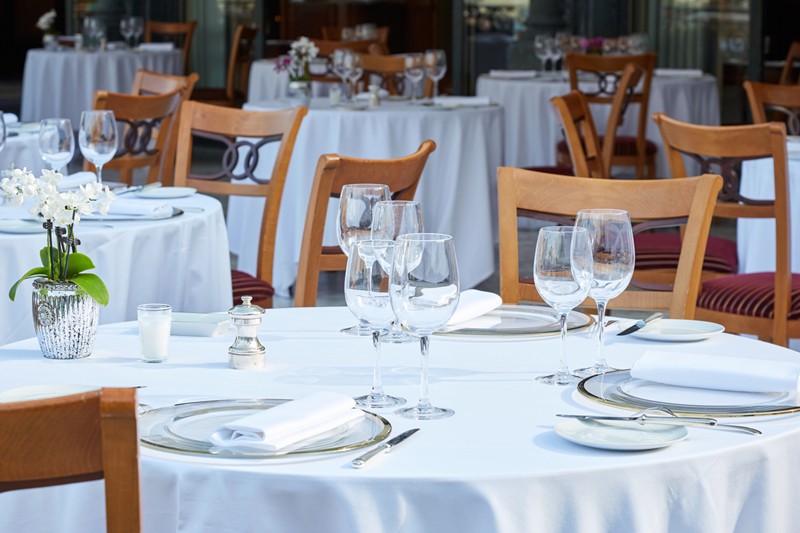
Most organized restaurant groups surveyed in Spain expect to open new locations in 2027, even as many say their margins have come under pressure over the previous 12 months.
According to figures reported by trade publication InfoHoreca on Tuesday, November 24, 86% of the restaurant groups surveyed said they plan to open establishments in 2027, and 58% said they expect to increase their workforce. The data come from the 2026-2027 Observatorio de la Restauración de Marca, a study presented with participation from Marcas de Restauración, KPMG and Circana.
The survey covered 43 restaurant groups in Spain that, according to the study presentation cited by InfoHoreca, operate nearly 5,800 establishments and generate more than 7.8 billion euros in revenue. That makes the results a broad signal from a large part of the country’s organized restaurant industry, though not a measure of the entire Spanish restaurant market.
The findings point to continued expansion plans in a sector that has faced pressure on profitability. While 96% of the groups surveyed said they expect sales to rise, more than half said their margins had fallen during the previous year. The combination suggests that many operators believe demand will remain strong enough to support growth, even if rising costs or competitive pricing continue to limit earnings.
The gap between expected sales growth and weaker margins is important because the survey reflects intentions, not completed business results. The planned openings are not stores that have already been approved or launched, and the projected hiring does not represent jobs already created. Instead, the data show how major operators are positioning themselves for 2027 after a year in which many reported less room between revenue and costs.
Technology is also becoming a larger part of that strategy. The survey found that 51% of the groups had already implemented or expanded the use of artificial intelligence across different parts of their business. The areas cited included demand forecasting, team management and customer loyalty. That points to a shift in the sector from testing digital tools to using them in day-to-day operations tied to staffing, purchasing and repeat business.
The survey results do not quantify how much money those AI systems have saved or how much they may have improved sales. The material cited by InfoHoreca also did not provide directly comparable historical figures from the previous survey, which limits the ability to measure how much expansion sentiment or technology adoption has changed over time on a like-for-like basis.
Even so, the responses suggest that large restaurant operators in Spain are trying to balance growth with tighter economics. New locations remain a priority for a large majority of the groups surveyed, and more than half expect to add employees, which points to confidence in consumer demand and in the sector’s capacity to keep building scale.
At the same time, the margin pressure reported by many respondents shows that growth alone is not resolving the industry’s financial strain. Restaurant groups can post higher sales while still facing narrower returns if labor, food, rent, energy or financing costs rise faster than revenue. The increased use of AI in planning and operations may reflect an effort to improve efficiency as much as an effort to modernize.
Because the sample is limited to 43 organized groups, the data should be read as a view into the branded restaurant segment rather than a full picture of Spain’s restaurant industry, which also includes independent operators with different cost structures and growth options. Within that segment, however, the survey indicates that expansion remains the dominant strategy for 2027, with hiring and technology investment moving alongside it despite weaker profitability.