Senators introduce bipartisan bill to halt Dec. 11 limit on hemp THC drinks
The measure would preserve most hemp-derived products by imposing a national purchase age of 21 plus Food and Drug Administration oversight
Thursday, November 19, 2026

Views › 658
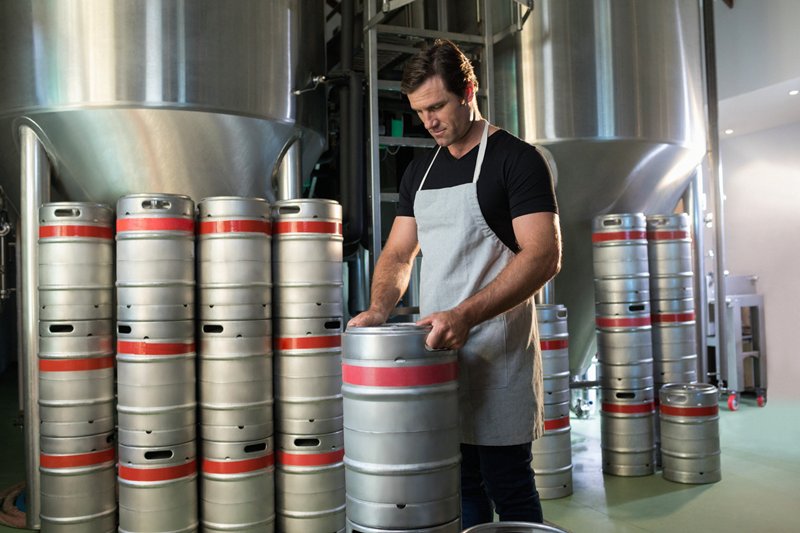
A bipartisan Senate bill introduced on Tuesday, November 17, would try to stop a federal restriction set for December 11 that many hemp businesses say would effectively force most hemp-derived THC drinks, edibles and similar products off the market.
Sen. Amy Klobuchar, a Minnesota Democrat, and Sen. Tim Sheehy, a Montana Republican, said their proposal, called the Hemp Guardrails Act, would preserve access to regulated hemp-derived THC products while creating a national set of consumer protections. The measure comes as businesses prepare for a federal change that would limit hemp-derived THC in products to 0.4 milligrams per container, far below the amount in many products now sold legally in states including Minnesota.
The fight centers on a loophole created by the 2018 Farm Bill, which legalized hemp and, in practice, opened the door for intoxicating products made from hemp. That led to rapid growth in hemp-derived THC drinks and edibles sold outside state cannabis systems, including in gas stations, convenience stores, breweries and liquor stores. In 2025, Congress passed and President Donald Trump signed legislation to close that loophole and set the new federal limit that is due to take effect on December 11.
The proposed Senate bill would move in a different direction. It would set a nationwide minimum age of 21 for the purchase of hemp-derived THC products and place hemp-derived cannabinoid products and related dietary supplements under the oversight of the Food and Drug Administration. Supporters say that approach would keep products on shelves while replacing a fragmented market with clearer federal rules.
“Minnesota is a national leader in hemp, and our state has shown that we can protect kids and support responsible hemp businesses,” Klobuchar said in a statement. She said the pending federal ban threatens farmers, brewers, small businesses and consumers in Minnesota and across the country.
Minnesota has become one of the clearest examples of what is at stake. State law already allows hemp-derived THC products under rules that include age limits and product standards, and the market has expanded into bars, breweries and retail stores. But the federal restriction scheduled for December 11 has already created uncertainty. Businesses have reported slowing orders, changing plans and, in some cases, leaving the market as they wait to see whether Washington will reverse course.
For the beverage industry, the dispute reaches beyond cannabis regulation. Hemp-derived THC drinks have become a diversification play for some breweries and distributors as beer consumption softens and companies look for new products. The category also competes with alcoholic drinks for the same social and recreational occasions, so a federal crackdown could reshape part of the broader beverage market if it moves ahead.
Bob Galligan, director of government and industry relations for the Minnesota Craft Brewers Guild, said he worked with the senators on the bill and supports it in its current form. He said Minnesota law remains stricter than the federal framework proposed in the bill, meaning businesses in the state could continue operating much as they do now if the measure became law. The guild represents dozens of breweries that make or sell hemp-derived beverages in Minnesota.
Galligan said Minnesota lawmakers have taken a leading role in pressing for regulation rather than prohibition. He argued that the state’s experience shows that intoxicating hemp products can be sold under rules aimed at limiting youth access and setting standards for the market. He also said a 2025 survey of producers found that thousands of jobs could disappear if the federal ban takes effect.
Even if Congress were to reverse the federal restriction, Galligan said some of the damage has already begun. Farmers make planting decisions months before products reach store shelves, and beverage makers need time to formulate, produce and distribute drinks. “The deadline is not Dec. 11,” he said. “The deadline was back in May when farmers were starting to plant hemp in the ground, so there will be a supply chain issue.”