Wilding Brands closes Denver Canworks brewery
Production of Denver Beer Co., Great Divide and Upslope will move to an unidentified contract brewer
Sunday, November 8, 2026
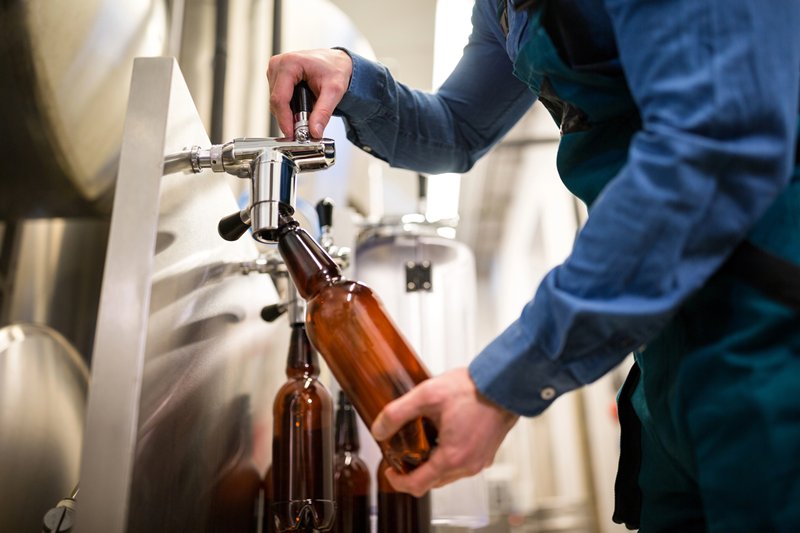
Wilding Brands has closed its Denver Canworks brewery and will move production of Denver Beer Co., Great Divide and Upslope to an outside contract brewer, according to a report by BeerAlien.
The shift means the company will no longer make those beers at its own Denver production site. BeerAlien reported that the brands will continue, but Wilding Brands had not identified the brewery that will take over manufacturing.
The move is a major operational change for a company that oversees several well-known Colorado craft beer names. Instead of brewing and packaging the beer in its own facility, Wilding Brands will rely on another producer to make the products under contract. That model allows a brand owner to keep selling beer under its own labels while a separate brewery handles production.
The report did not say how much volume will be transferred, when the outside brewing arrangement will begin, or how the closure will affect workers tied to the Denver facility. It also did not identify a reason for the decision. Without those details, it is not yet clear whether the company sees contract production as a temporary step or a long-term change in strategy.
Even so, the decision stands out in the broader beer business. Operating a brewery requires heavy spending on equipment, labor, utilities, packaging and real estate. For a craft beer group, outsourcing production can reduce those fixed costs and remove the pressure to keep a plant running at a high enough volume to justify those expenses. It can also help keep established brands in the market when demand patterns change or when an owned facility no longer fits the company’s sales footprint.
That makes the closure important beyond one company. In the U.S. beverage industry, and especially in craft beer, some producers have been reevaluating whether they need to own every part of the manufacturing process. When a group with multiple recognized labels shifts to contract brewing, it can point to the kind of restructuring that other brewers may also consider as they try to protect margins and keep brands alive.
For wholesalers and retailers, the immediate impact may be limited if supply continues without interruption. The bigger issues are likely to be consistency and execution. When production moves to a different brewery, companies have to maintain recipes, quality controls, packaging standards and release timing. If those elements hold steady, consumers may notice little change. If they do not, the transition can affect brand perception and shelf performance.
The development also reflects the pressure that has weighed on parts of the craft brewing market. Many brewers have been dealing with slower growth, tighter competition for tap handles and store space, and continued sensitivity to costs. In that environment, closing a brewery while keeping brands on sale through a contract partner can be a way to reduce manufacturing risk without leaving the market.
For Colorado beer, the decision draws added attention because Denver Beer Co., Great Divide and Upslope are established names with broad recognition. Keeping those brands in circulation through an outside brewer suggests Wilding Brands is trying to preserve the value of the labels while stepping back from the cost of running its own production site. Much will depend on which brewery is chosen, how the transition is managed and whether the brands can maintain supply and quality under the new arrangement.