India will meet distillers over bulk Scotch tariff dispute on Nov. 2
Domestic producers joined Diageo and Pernod Ricard in warning that excluding bulk imports from lower duties could hurt local manufacturing
Saturday, October 31, 2026
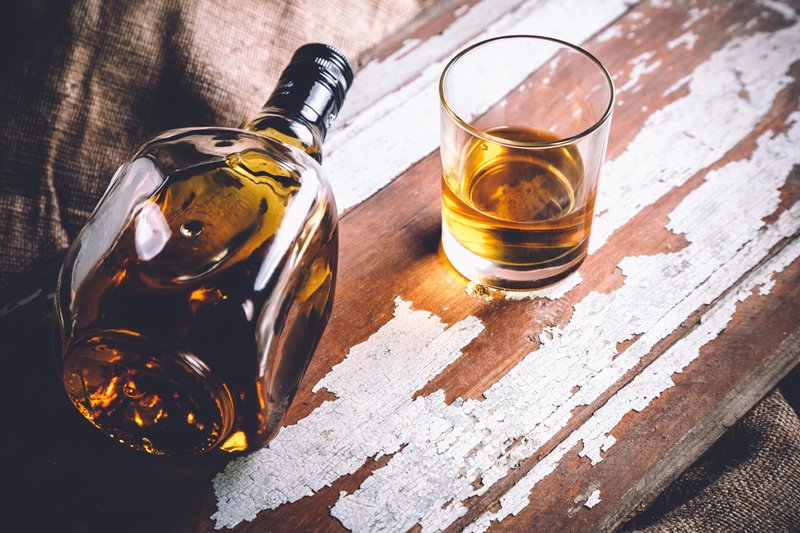
India’s government will meet liquor companies on November 2 after major domestic distillers joined Diageo and Pernod Ricard in objecting to New Delhi’s treatment of bulk Scotch imports under the India-UK trade pact, according to four people with direct knowledge of the plans and an industry letter reported by Reuters.
At the center of the dispute is the government’s position that bulk Scotch imported into India does not qualify for the tariff cut agreed in the trade deal, even though duties on certain Scotch imports were reduced to 75% from 150% when the pact took effect in July. The issue has quickly become the first major trade disagreement linked to the new agreement.
Senior officials in India’s commerce ministry are expected to hold closed-door talks with executives from both foreign and Indian liquor companies, the people said. The ministry did not respond to a request for comment outside regular business hours on Saturday, October 31.
The International Spirits & Wines Association of India, whose members include Pernod Ricard and Diageo, has already warned the government in private that excluding bulk Scotch could weaken the value of the trade pact. Now the Confederation of Indian Alcoholic Beverage Companies, which represents local producers, has also urged intervention.
In a confidential letter dated Tuesday, October 27, the Indian industry group said denying the lower tariff to bulk Scotch used in local manufacturing could push companies toward importing finished products instead. It said that outcome would work against the government’s “Make in India” policy by reducing incentives for domestic production.
That argument broadens the dispute beyond foreign spirits makers. Members of the local industry group include listed companies Radico Khaitan, which makes the 8PM brand, and Allied Blenders and Distillers, which makes Officer’s Choice. Neither the group nor the companies immediately responded to Reuters’ questions. Companies involved have said they comply with the law.
The stakes are significant for the drinks business. Around 80% of Scotch whisky shipped from Britain to India by volume arrives in bulk and is used in India to make widely sold whisky brands. India’s alcohol market, valued at about $65 billion, had expected the tariff cuts to improve access to imported Scotch and support both premium and mass-market spirits portfolios. If bulk shipments remain outside the lower duty, distillers that blend, bottle or market whisky in India could see less benefit from the trade agreement than they had anticipated.
Allied Blenders underscored that point in an investor presentation released this week, where it described itself as one of the largest bulk Scotch importers and said the UK agreement would improve access to its luxury portfolio. The new interpretation of the tariff provisions could affect those plans.
The dispute also carries broader political and commercial weight. Tariffs on whisky were one of the most sensitive issues during years of negotiations over the UK-India free trade deal. India, one of the world’s largest whisky markets, eventually agreed to halve taxes on certain Scotch imports, a concession long sought by British producers.
Britain has said it is working with India to resolve the matter. Reuters reported that Scottish officials have also raised concerns directly with New Delhi. On Friday, October 30, Scotland’s Deputy First Minister John Swinney said he had discussed Scotch whisky tariff issues during a visit to India focused on economic ties and Scottish business opportunities.
India has not publicly explained in detail why bulk Scotch is being treated differently under the pact. More broadly, tariff and tax disputes have been a recurring source of tension for foreign investors in India, some of whom have faced large back-tax demands. Indian officials have said in such cases that they are enforcing existing law.
The November 2 meeting is now likely to be closely watched by spirits makers in both countries. For British exporters, the issue affects access to one of the world’s most important growth markets for whisky. For Indian distillers, it could shape whether the trade pact supports more local blending and bottling or makes finished imported products relatively more attractive.