Australian wine exports to Canada rose 12% after provinces removed U.S. alcohol from stores
Shipments reached A$185 million in the year through September 2026, reflecting retailer demand for alternatives during the tariff dispute
Monday, October 26, 2026
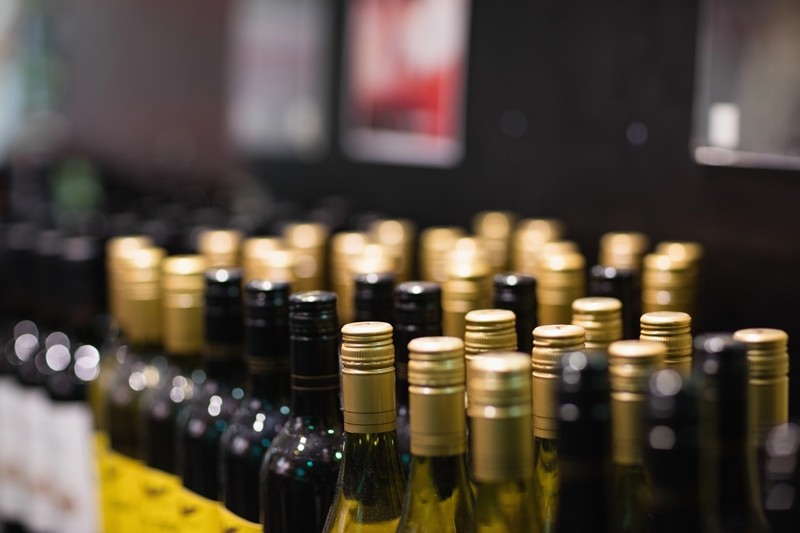
Australian wine exports to Canada rose 12% in value to A$185 million in the year ended September 2026, according to new data from Wine Australia, as Canadian buyers and retailers shifted away from U.S. alcohol during the trade dispute between Canada and the United States.
The increase follows decisions by provinces including Ontario, Quebec and British Columbia in March 2025 to remove U.S. alcoholic beverages from liquor stores and online sales platforms in response to U.S. tariffs. The change has helped Australian producers gain shelf space in a market where government-controlled retail systems play a large role in what consumers can buy.
For the beverage industry, the shift shows how quickly trade retaliation can redirect orders, retail displays and market share, creating openings for suppliers outside the countries in dispute. In this case, wine producers from Australia appear to have captured part of the demand left by the withdrawal of U.S. products in several major Canadian provinces.
Wine Australia’s figures show the strongest growth came from red wine, especially Cabernet Sauvignon. Exports of Cabernet Sauvignon to Canada increased 15% in value over the past 12 months. White wine exports to Canada rose 8% in value, while rosé exports climbed 21%.
A large share of that growth came from South Australia, the country’s main wine-producing state. South Australia’s wine exports to Canada increased by more than A$24 million in the year to August 2026, reaching A$128 million, according to industry and government figures cited by Drinks Digest. That made Canada South Australia’s third-largest wine export market, ahead of the United States and behind only China and the United Kingdom.
South Australia now accounts for 68% of Australia’s total wine exports to Canada. The state exported 48.5 million liters of wine to Canada in the past 12 months, an increase of 38.6%.
Inca Lee, chief executive of the South Australia Wine Industry Association, said the figures reflected both the reputation of the state’s wines and producers’ ability to respond to changing conditions in overseas markets.
“This result demonstrates both the global reputation of South Australian wine and the agility of our winemakers, who have been able to turn market disruption in Canada into strong sales growth,” Lee said.
Lee also pointed to support from the South Australian government through its Global Wine Growth Program, which was designed to help wineries build visibility in export markets at a time when competition for consumers remains intense.
The state government has backed a series of retail promotions in Canada since the tariff-related disruption began. According to the report, the first activation started one month after the tariff decision. The campaign was funded through a A$5 million Global Wine Growth Program and placed South Australian wines in front of shoppers at two of Canada’s biggest wine retailers, the Liquor Control Board of Ontario, or LCBO, and the British Columbia Liquor Distribution Branch, or BCLDB.
During July and August, a four-week pop-up promotion at the LCBO featured 16 South Australian wines across nine flagship stores. Brands included Angoves, Zonte’s Footstep, Kilikanoon, Two Hands and Bleasdale.
Brad Rey, vigneron and director at Zonte’s Footstep, said Canada had become a key market for the company and that government-backed efforts to raise awareness of South Australian wine had helped sales.
“Canada is a key market for Zonte’s Footstep, and with the support and focus of the South Australian Government on building awareness of the diversity and quality of South Australia’s wines, it has become a focal point across many provincial markets,” Rey said. He added that the company had benefited from the increased support as consumers and trade buyers responded to its wines.
The BCLDB has also been running more than 75 in-store tasting events featuring South Australian wines during the Canadian summer, according to the report. Those tastings are aimed at giving consumers direct exposure to producers that may have been less visible before U.S. products were removed.
The size of the retail networks involved helps explain why the shift matters. The LCBO, a government-run retailer, operates more than 690 stores in Toronto and across Ontario and is one of the world’s largest single buyers of alcohol and wine. The BCLDB runs 198 retail stores in Vancouver and across British Columbia and serves more than 36 million retail customers each year.
The export gains come at a time when the Australian wine industry is still trying to diversify its overseas sales after several years of disruption in global trade. South Australia recently announced a A$109 million Wine Industry Transition and Growth Package that includes government-backed loans, business support measures and the appointment of a Wine Industry Coordinator.
The state government also said it will create a new Toronto-based position to help South Australian companies pursue opportunities in food, wine, critical minerals and defense. Until now, companies seeking help in Canada had been supported by South Australian government staff based across the United States.
The Canadian market has become more important for Australian wine producers not only because of the recent sales increase, but also because of the structure of alcohol sales in the country. In provinces where government buyers control large purchasing volumes, changes in official policy can reshape supplier access quickly. That makes trade disputes especially significant for wine, beer and spirits producers competing for limited shelf space in public retail systems.
In Australia’s case, the latest data suggests producers were able to move fast enough to benefit from that opening, particularly in red wine, while state-backed promotions helped keep the products visible in stores as Canadian consumers looked for alternatives.