Emilia’s 2026 grape harvest rose 10.9% despite the earliest season local growers had seen.
Confcooperative reported strong sugar readings, with Lambrusco at 54%, its lowest share of the crop in a decade.
Wednesday, October 14, 2026
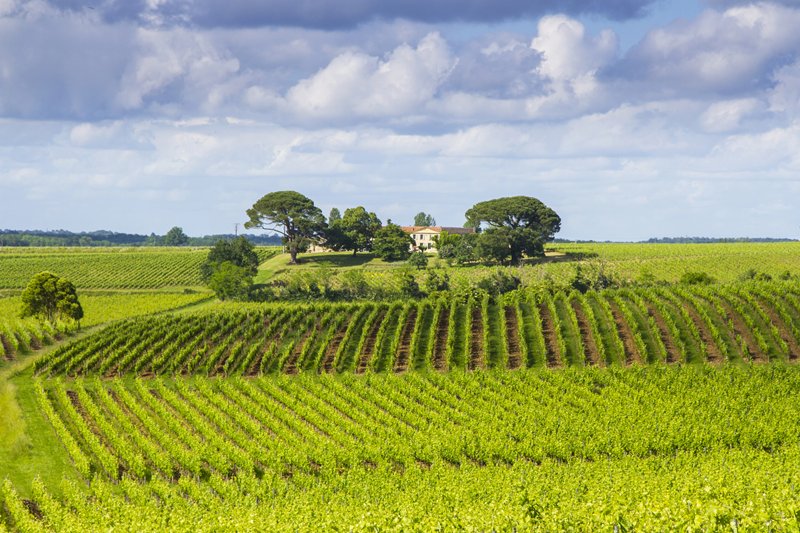
The 2026 grape harvest in the Emilia wine area between Reggio Emilia and Modena ended with higher volumes, healthy fruit and strong sugar readings, even after the season started earlier than local growers had seen before, according to Confcooperative Terre d’Emilia.
The cooperative group said Wednesday that its 13 member cooperatives collected 2.612 million quintals of grapes, equal to about 261,200 metric tons. That was 10.9% more than in 2025. Even with the increase, the total remained below the 2024 level and was broadly in line with the average of the past decade.
Confcooperative described the season as unusually early from the start, but said the advance did not hurt output. Its harvest review pointed to solid quality across the crop. The average sugar reading rose to 17.59, a level the group presented as one of the strongest indicators of the year’s quality profile.
The mix of varieties changed in ways that stand out for one of Italy’s main Lambrusco-producing areas. Lambrusco grapes still made up the largest share of the harvest at 54%, or 1.393 million quintals, but that was the lowest level recorded in the past 10 years. Ancellotta, another key local variety, regained ground and reached 38% of total production, with 992,000 quintals harvested. White grape varieties expanded even faster, rising 16.9%, although they still accounted for only 8% of the total crop.
That shift in the composition of the harvest could matter across the beverage industry, not only for growers. Grapes from Reggio Emilia and Modena feed an important wine supply chain, especially for Lambrusco and other regional products. A smaller Lambrusco crop share, together with several years of weaker prices at origin, could affect sourcing decisions and margins for cooperatives, wineries and other beverage businesses that rely on the area, although the final commercial impact will depend on demand and inventory levels.
On the market side, Confcooperative official Alberto Lasagni said profitability has been under pressure since 2021. Farmgate prices, he said, have fallen by 20%-30% over that period. At the same time, the organization said a broader production decline in Italy, down 6.8%, and in Europe, down 2%, may create new sales opportunities for producers in the Reggio Emilia and Modena area.
The group also said the sector still faces other obstacles, including what it described as misinformation and campaigns against traditional wine products. In response, the cooperative wineries of Reggio and Modena are calling for structural public support. Their requests include investment to modernize processing, commercial strategies better suited to changing consumption patterns, incentives to renew vineyards and measures to keep supply and demand in better balance. Confcooperative said its main goal is to give more economic certainty to companies and growers that continue to invest in the local food and beverage economy.