The World Congress of Vine and Wine Opens in China for the First Time in Asia
More than 800 delegates from about 30 countries gathered in Ningxia to discuss climate pressures, technology and China’s wine ambitions.
Monday, October 12, 2026
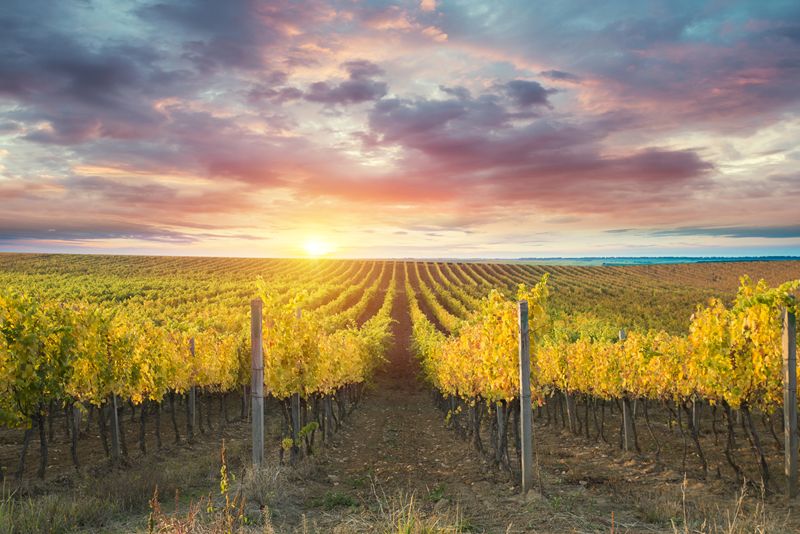
More than 800 delegates from about 30 countries gathered in Yinchuan, in China’s Ningxia Hui Autonomous Region, on Monday for the opening of the 47th World Congress of Vine and Wine, the first time the event has been held in Asia.
The congress, which runs through Oct. 16, brings together researchers, producers, officials and industry specialists to discuss scientific, technological and economic changes affecting the global grape and wine business. This year’s theme is focused on shaping new paradigms for the sector, with sessions covering viticulture, winemaking, economics, law, health and safety.
The meeting also marks an important moment for China’s position in the international wine industry. China joined the International Organisation of Vine and Wine, or OIV, in 2025, becoming the first new member admitted in the organization’s second century of activity. Holding the congress in Ningxia places global attention on a region that Beijing has identified as a strategic area for the development of its domestic wine production.
According to the organizers, 423 scientific contributions from 33 countries were selected for the 2026 edition. The volume of research under review points to the central role of science in an industry facing pressure from climate change, changing consumer demand and tighter expectations around quality and sustainability.
Topics on the agenda include wine dealcoholization, technologies aimed at improving wine stability, the development of grape varieties resistant to certain diseases, and the conservation of genetic diversity in grapevines. The program also includes work on guidance for the organic production of table grapes.
Those issues have direct relevance beyond academic discussion. Research on lower-alcohol wine, improved stability and more resilient grape material could, over time, affect how wine producers manage quality, reduce losses and adapt to climate stress. For the broader beverage sector, that may matter as companies respond to demand for new product styles, tighter cost pressures and more volatile agricultural conditions.
Sustainability is another major focus of the congress. Producers and regulators are dealing with the effects of rising temperatures, water management challenges and the need to protect biodiversity in vineyard areas. New technologies and more resistant grape varieties are being examined as possible tools to reduce those pressures, although they also require investment and changes in production practices.
John Barker, the OIV’s director general, described the gathering as a historic moment for both the organization and China’s wine sector, according to Agenparl. The event gives Chinese institutions and producers a global platform at a time when the country is seeking a larger role in technical cooperation and standard-setting in wine.
The OIV was founded in 1924 and now has 51 member countries. Agenparl, citing figures reported by Prensa Latina, said those members account for 90% of world wine production and 85% of global vineyard area. That scale gives the organization significant weight in shaping technical discussions on production methods, scientific standards and regulatory approaches.
For China, the congress serves both a diplomatic and commercial purpose. It allows the country to present Ningxia as a serious wine region while bringing foreign researchers and industry representatives into direct contact with local institutions and producers. It also comes as global wine markets are adjusting to slower consumption in some countries, pressure on margins and a greater need for innovation tied to environmental risk.
Alongside the congress, the OIV is holding its 24th General Assembly in Yinchuan, where member states are set to review scientific, technical and administrative matters during the week.