Napa Valley vintners pledge $2.5 million for red blotch virus research
The industry-backed three-year initiative aims to speed vineyard-ready tools, with first competitive grants expected in January 2027.
Tuesday, October 6, 2026
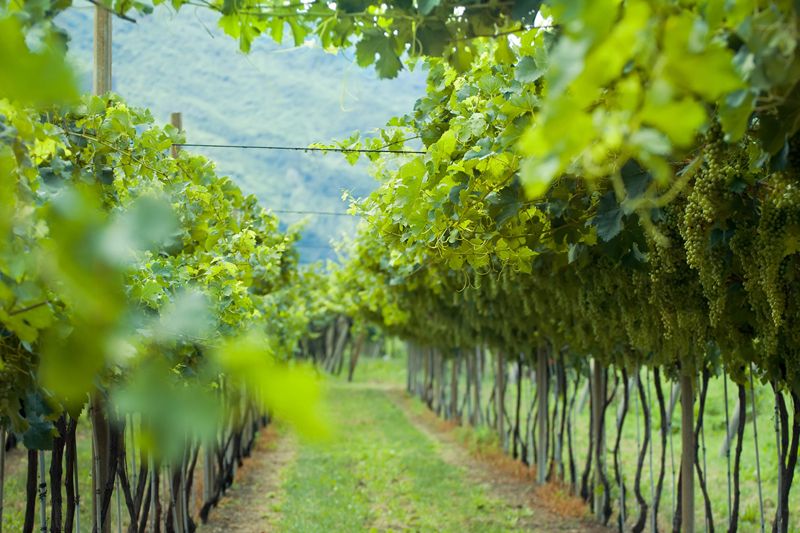
Napa Valley winegrowers and wineries have pledged $2.5 million to launch a three-year research program focused on grapvine red blotch virus, a disease that growers say has become a major unresolved problem for wine production.
The funding will support Phase One of the Grapevine Red Blotch Virus Research Initiative, an industry-led public-private effort announced Tuesday in Napa Valley, California. According to the initiative, the program is intended to speed up practical research that can move from the lab into vineyard use, with early work expected to begin through competitive grant calls in January 2027.
The organizers said the effort has been backed by several prominent Napa Valley names, including Christian Moueix of Dominus Estate, Darioush Winery, Joseph Phelps Vineyards, Joe Wender and Ann Colgin, Louis P. Ciminelli of Laelius Winegrowing, Opus One Winery, Phillips Family Farming of Vine Hill Ranch, Tom Gamble of Gamble Estates, Pete Richmond of Silverado Farming Company and the Araujo family, along with other wine industry supporters.
The virus, known as GRBV, has drawn growing concern because it can weaken vine performance, slow fruit ripening and change grape chemistry in ways that can reduce wine quality. The initiative said the disease can also raise vineyard management costs and increase the need for replanting. Those problems matter beyond farm operations because delayed ripening and lower fruit quality can affect the consistency and value of finished wines, a potential concern for producers across the broader beverage sector if effective control methods are not developed.
The new program is designed around several research areas that growers and scientists say are the most urgent. The first calls for proposals are expected to focus on earlier and more dependable detection methods, better diagnostic tools, the biology of the virus and its vector, how it spreads, practical vineyard management strategies, nursery testing and the use of clean plant material. The initiative said some support may also go to longer-term work on vine physiology and resistance if those projects can still lead to usable results for growers.
The effort grew out of discussions that began in 2025 among wine industry and research leaders, according to the announcement. Those talks were initiated by the Moët Hennessy Robert-Jean de Vogüé Research Center and centered on what participants described as major gaps in scientific knowledge about red blotch disease and the need for a coordinated response across institutions. In July 2026, those discussions led to a broader meeting to refine research priorities and consider a shared funding model, followed by the formation of a smaller working group on governance and administration.
The initiative said research awards will be made through open competitions available to qualified institutions. A proposed 10-member governance committee, split evenly between the wine industry and the research community, is expected to set priorities, approve budgets and make final funding decisions. An independent technical review panel would assess submissions based on scientific merit, feasibility, the strength of the research team, measurable milestones and likely benefit in vineyards.
Organizers said they are working with the American Vineyard Foundation to serve as fiscal agent and program administrator for the first phase, with administrative agreements still being finalized. Even with that arrangement, the proposed governance committee would remain responsible for program oversight, accountability and decisions about whether the work should continue into later phases.
In comments released with the announcement, Dr. Ben Montpetit said researchers and industry leaders have identified the most urgent red blotch questions and are now trying to build tools growers can use in the field. The initiative did not provide a breakdown of how the $2.5 million will be distributed among projects or institutions, and it did not identify all of the additional industry supporters it said are involved.
Additional fundraising is expected to continue as organizers try to expand the program beyond the initial phase. The first funding decisions are expected in spring 2027, after proposals are reviewed. For Napa Valley and other wine regions facing similar vineyard disease pressures, the outcome could shape how quickly growers get better diagnostics, cleaner planting material and management practices aimed at limiting crop and quality losses.