Late-Night Alcohol Licenses in England and Wales Rose 3% Over the Past Year
Home Office data showed the broader licensing market stayed largely stable, with modest gains in personal and premises licenses.
Friday, October 2, 2026
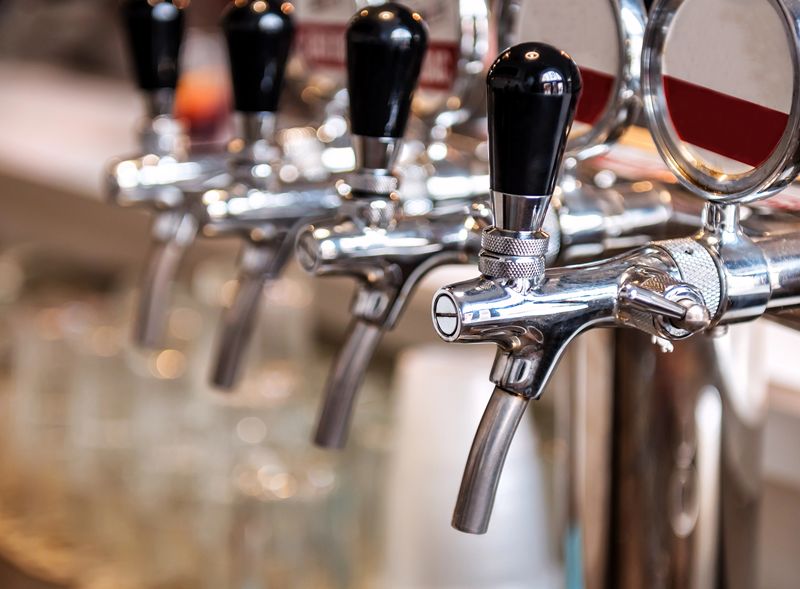
The Home Office has published new alcohol licensing statistics for England and Wales covering April 2025 through March 2026, showing a market that changed little over the year but continued to edge up in some key areas, including late-night trading and the number of people or venues holding alcohol permissions.
In its narrative summary, the department said that as of March 2026 there were about 180,000 personal licenses in effect in England and Wales, up 1.5% from a year earlier. It also said there were around 170,000 active premises licenses, a 0.8% annual increase. Personal licenses allow an individual to authorize alcohol sales at a licensed site, while premises licenses cover the sale of alcohol, regulated entertainment, or late-night refreshment at a specific location.
The published material appears to use more than one licensing measure. A monitored summary of the same release highlighted larger headline totals as of March 31, 2026, including 968,400 personal licenses and 227,300 premises licenses. The Home Office publication available on GOV.UK does not explain that difference in the short narrative text, but both sets of figures point to a system that remains large and broadly stable across England and Wales.
The release said active premises licenses were concentrated mainly in urban areas, with London and the West Midlands recording the highest counts. That pattern is consistent with the distribution of pubs, bars, restaurants, clubs, and other hospitality sites that rely on licensed trade in the biggest population centers. It also helps explain why changes in licensing policy are often watched closely in major cities, where local authorities, police, and venue operators manage dense nighttime economies.
Club premises certificates, which allow qualifying clubs to supply alcohol and provide certain activities to members, fell slightly over the year to roughly 13,000 active certificates. By contrast, late-night licenses showed a modest rise. The Home Office said those permissions increased 3%, with most of that growth in metropolitan regions. Licenses permitting 24-hour alcohol sales accounted for about 2% of all premises licenses.
The figures also show little movement in the use of cumulative impact areas, a tool used by local authorities to address crime and disorder linked to a high concentration of licensed premises. The number of those areas remained steady at about 300 nationwide, according to the Home Office. That stability suggests councils did not make broad changes to this part of the licensing framework during the period, even as local debates over nightlife, public safety, and town center management continued.
On enforcement, the published material points to continued scrutiny of licensed venues, though the figures highlighted in the available documents are not fully aligned. The narrative summary said 1,200 premises license reviews were requested, with most linked to breaches of license conditions. A monitored summary of the release described annual reviews at roughly 600, up about 30% from the previous year. The same monitored summary said three license conditions were recorded in connection with spiking concerns, a small number but one that shows the issue has entered formal licensing discussions.
For the drinks industry, the data matter beyond Whitehall and local councils. Breweries, wine and spirits suppliers, pub companies, restaurant groups, and independent operators use official licensing numbers as one way to judge the size and shape of the on-trade market. A slight rise in active premises and late-night permissions can point to steady demand in hospitality, while review activity and conditions tied to safety concerns may lead operators to spend more on compliance, staff training, security procedures, and record-keeping.
The Home Office said the statistics are intended to help policymakers, law enforcement, and public health officials track trends and manage alcohol-related harm. For businesses that sell beer, wine, and spirits through licensed venues, the same release offers a current picture of how many people and places are authorized to trade, where those licenses are concentrated, and how actively the system is being used to police standards at the local level.