Stateside Drops Its Trade Dress Lawsuit Against Anheuser-Busch Over Skimmers Packaging
A judge dismissed the case with prejudice, closing a dispute over whether Skimmers cans mimicked Surfside’s look.
Thursday, September 24, 2026
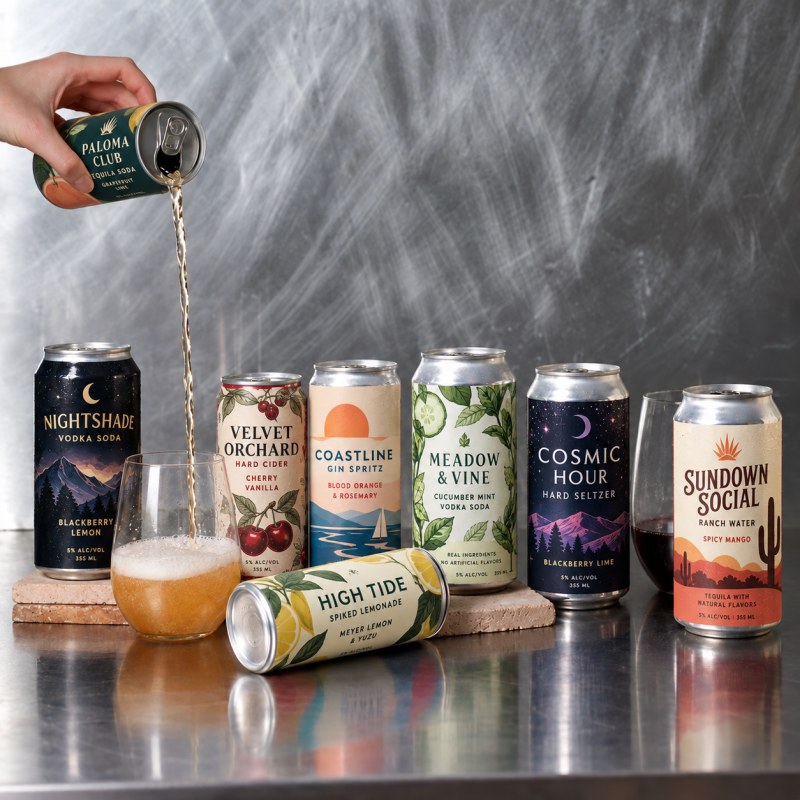
Stateside Brands, the company behind the Surfside ready-to-drink cocktail line, has agreed to drop the trade dress lawsuit it filed last year against Anheuser-Busch over the packaging of Skimmers hard iced tea.
A federal judge granted a motion on Monday to dismiss the case with prejudice, according to the court order cited by Food Dive. That means the claims cannot be brought again. The order also says each side will cover its own costs and attorneys fees, and that both parties waived any right to appeal.
The dispute centered on Surfside’s claim that Anheuser-Busch had copied the look of its cans when it launched Skimmers. In the original complaint, Stateside said the products shared several visual features, including brightly colored striped cans, a sun logo and an iced tea-based ready-to-drink format. Stateside had argued that Anheuser-Busch was trying to benefit from Surfside’s growing market recognition.
Trade dress cases focus on the overall look and presentation of a product rather than a brand name alone. In consumer categories such as alcoholic beverages, that can include color schemes, logos, layout and other packaging elements that help shoppers identify a product on store shelves. The dismissal closes the matter without a ruling on whether the Skimmers packaging was legally too similar to Surfside’s.
At the time the lawsuit was filed, intellectual property attorney Josh Gerben said the case could face obstacles because Stateside did not hold a federal trademark registration for the can design at issue. That point drew attention because packaging disputes are becoming more important in crowded beverage categories where companies rely heavily on visual branding to stand out.
The end of the case comes as competition in ready-to-drink alcohol remains intense. Surfside launched in 2022 and has expanded its flavor lineup as demand for canned cocktails and flavored malt and spirits-based drinks has grown. Stateside has also widened its product lineup beyond Surfside. In March, the company introduced Super Lyte, a vodka-based drink made with ingredients commonly found in sports drinks.
Skimmers is a newer product. It launched in 2025 as part of Anheuser-Busch’s broader push in ready-to-drink beverages. The brewer’s RTD business is built largely around brands including Cutwater and BeatBox, which it acquired more recently as it expanded beyond traditional beer. Skimmers and Surfside both stand out in the category as noncarbonated drinks offered in multiple flavors, a segment that has attracted more attention as consumers look for alternatives to beer and standard canned cocktails.
The case drew notice beyond the two companies because the ready-to-drink segment has become one of the few bright spots in a slowing alcohol market. According to IWSR data cited by Food Dive, canned cocktail volumes rose 3% in 2025 while all other major alcohol categories declined. That growth has pushed more large brewers, spirits producers and smaller independent brands into the same shelf space, increasing the chances of conflicts over branding, can design and other marketing cues.
For beverage companies, the dispute is a reminder that packaging can become a legal battleground, especially in fast-growing segments such as hard tea and canned cocktails. It also shows the limits of trying to protect a product’s look when ownership of the design is not clearly secured through federal registration or other intellectual property protections. In a market where new entrants are moving quickly and visual similarity can influence purchasing decisions, the outcome may shape how brands think about package design, trademark strategy and launch risk.
Neither the court order nor the account cited by Food Dive disclosed additional terms beyond the dismissal. There was no indication in the reported order that either side admitted wrongdoing. The case is now closed, ending a fight that had focused on whether a can’s appearance could give one ready-to-drink alcohol brand an unfair edge over another.