Italy Caps Insurance Cuts for DOP and IGP Wine Grapes at 10%
The 2026 decree reverses planned reductions above 25% and aims to keep subsidized coverage viable after severe weather losses.
Tuesday, September 15, 2026
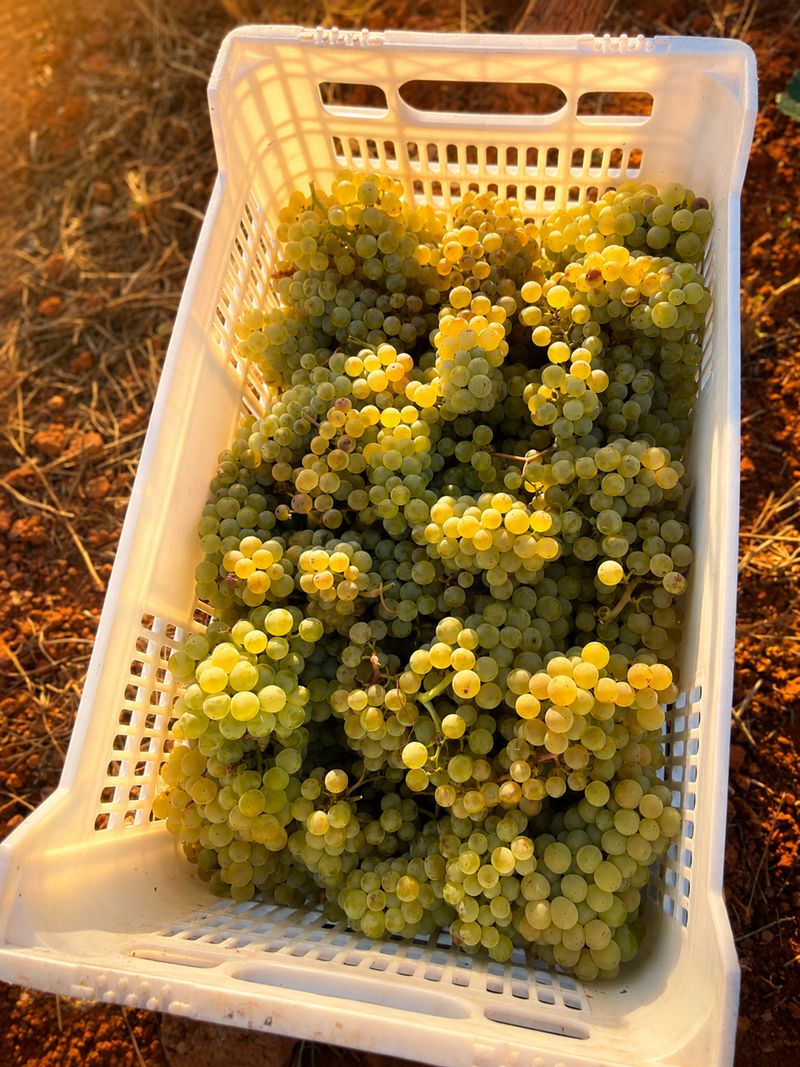
Italy’s Ministry of Agriculture, Food Sovereignty and Forestry moved on Tuesday to ease pressure on wine growers and plant nurseries with two decrees that change insurance rules for the 2026 crop year and give more time for some new vineyard projects delayed by extreme weather.
The first measure updates the 2026 agricultural risk management plan. It limits to 10% the cut applied to standard values used for subsidized insurance policies covering DOP and IGP wine grapes, according to details reported in the Italian farm press. The change applies to denomination grapes that had faced reductions of more than 25% under the previous framework.
The adjustment is aimed at keeping subsidized insurance workable for growers who rely on those policies to protect income from hail, storms and other weather damage. Industry reports said the ministry’s move is meant to reduce the risk that wine growers abandon coverage because insured values had fallen too sharply. In practice, the decree raises the reference values used to insure many quality wine grapes compared with the deeper reductions that had been expected earlier.
The same decree also changes insurance requirements for plant nurseries. Instead of applying the coverage obligation at the municipal level, the rule is reshaped by individual product code, a more specific standard for nursery production. The measure also clarifies how complementary calculations should be handled for policies combined with the Agricat national catastrophe fund, an issue that has mattered for producers trying to match subsidized private coverage with broader disaster protection.
The second decree gives a 12-month extension, through July 31, 2027, for vineyard planting authorizations that were due to expire in the 2025/2026 wine-growing campaign. The extension applies in the northeastern provinces of Udine and Gorizia and in specific disaster-hit areas of Sicily and Sardinia.
Those territories were affected by severe weather events that disrupted farm operations and investment schedules. Under Italy’s vineyard authorization system, producers normally have to use planting rights within a set period or risk losing them and facing penalties. By postponing the deadline, the ministry is allowing affected businesses to carry out planned vineyard investments later without forfeiting those rights.
The decision is significant for a sector that has faced repeated weather shocks in recent years, including hail, drought and intense rain. Insurance values and planting deadlines may sound technical, but they affect two central questions for grape growers: how much of their crop revenue can be protected, and whether future production plans can move forward on time.
That matters beyond the farm gate. For wine producers, especially those tied to DOC and IGP labels, insured value levels can influence how much financial risk vineyards carry through a season. More usable subsidized coverage could help stabilize grape supply and cash flow after weather losses. The extension of planting authorizations could also preserve future productive capacity in affected areas by preventing delays from turning into canceled vineyard projects. Any effect on output will depend on local conditions and on whether growers proceed with the postponed investments, but the decrees address two pressure points that can shape wine availability and costs over time.
Italy’s denomination wines depend heavily on grapes grown under strict quality and origin rules, which can make replacement and expansion slower than in less regulated categories. In that context, the insurance decree is especially relevant for growers of higher-value grapes whose expected compensation had been reduced by standard-value cuts. By capping the reduction at 10%, the ministry is narrowing the gap between market value and insurable value for many protected-origin grapes.
The nursery provision also has a broader role in the production chain. Vine and plant nurseries supply the material needed for replanting, new vineyards and recovery after crop losses. More precise insurance rules for nurseries could help reduce disputes over coverage and improve access to risk protection in a segment that underpins future planting.
The planting extension is narrower in geographic scope, but it responds to a concrete problem in places where extreme weather blocked work in the field. Vineyard establishment is capital-intensive and tightly scheduled. When storms or other disasters hit, growers can miss the window for planting even if financing and permits are already in place. Without an extension, that can translate into lost investment, reduced expansion plans and administrative sanctions.
The ministry’s action comes as producers across several Italian farming sectors continue to press for more flexible tools to manage climate-related damage. In viticulture, where planting rights, appellation rules and long investment cycles already limit flexibility, adjustments to insurance terms and authorization deadlines can have an immediate effect on business planning.
For wineries and the broader beverage sector, the decrees could offer some relief at a time when weather volatility is feeding uncertainty about grape volumes, quality and production costs. Higher insured values for DOC and IGP grapes may support growers’ willingness to maintain coverage, while the extension for new plantings may help some producers protect future vineyard expansion in areas hit by extreme events.