Wine growers test Mediterranean white grapes in hotter regions.
Warmer seasons, water stress and shifting tastes are pushing vineyards toward grapes that keep acidity in hotter years.
2026-08-21
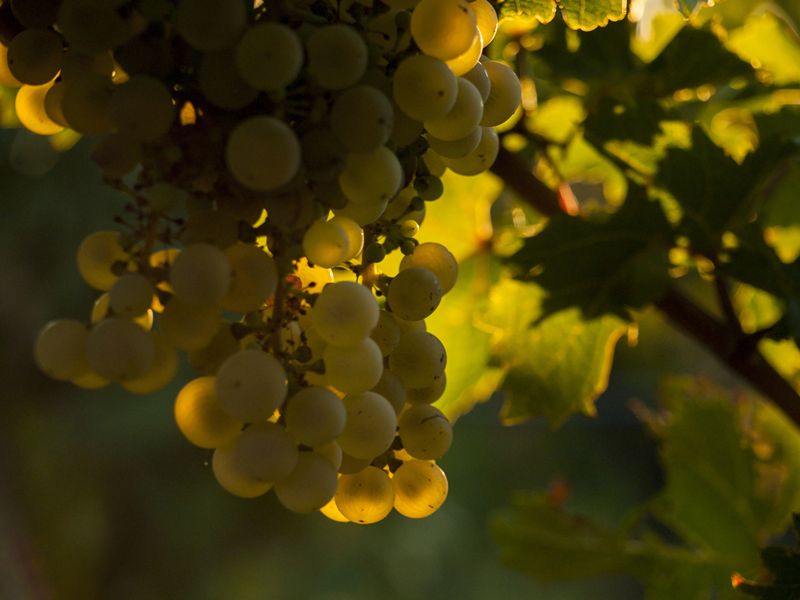
Wine growers in several countries are rethinking which white grapes belong in their vineyards as warmer seasons, water pressure and changing consumer demand begin to redraw the map of where certain varieties can succeed.
The shift is centered on Mediterranean grapes that have long been adapted to heat, wind and dry conditions. Varieties such as Assyrtiko, Fiano, Albariño and Vermentino are drawing new attention beyond their traditional homes because producers believe they may hold acidity, freshness and balance more reliably in hotter growing conditions than some grapes planted widely during cooler decades.
What is changing is not only climate. The market for white wine has also moved in ways that encourage experimentation. Many buyers are looking for wines with bright acidity, lower perceived heaviness and clear regional character. For producers facing earlier harvests, higher sugar levels and greater stress on vines, that demand makes heat-tolerant white grapes more attractive. The result is a gradual migration of planting decisions, with grapes once seen as local specialties now being tested or planted in new regions.
The logic is straightforward. In many wine areas, average temperatures have risen, heat spikes have become more frequent and drought has become a more regular risk. White grapes that evolved in warm coastal or island climates can offer traits growers now value more highly: tolerance to dry conditions, slower loss of acidity, resistance to sun exposure and a flavor profile that can stay precise even in hot years. Those traits do not guarantee success in every site, but they make the varieties strong candidates for regions trying to adapt.
That does not mean a grape can simply be moved from one country to another and produce the same wine. Site still matters. Soil, altitude, wind, day-night temperature swings and harvest timing all shape the result. A variety known for tension and salinity in one place may show broader fruit or different texture elsewhere. For growers, that creates both an opportunity and a risk. A successful planting can help a region stay competitive in a warmer climate. A poor match can leave producers with wines that satisfy neither local identity nor commercial demand.
Questions of identity are becoming central as these plantings spread. Some wine regions are built on strict rules about which grapes may be used and how wines can be labeled. If climate pressure pushes growers toward new white varieties, appellation systems may come under pressure as well. Regulators and producer groups may need to decide whether adaptation should be handled through limited trials, broader planting permissions or separate categories outside protected designations. The issue is especially sensitive in places where local reputation has been tied to a small number of established grapes for generations.
The movement of white grapes also raises a practical problem that matters across the beverage business: access to clean, reliable plant material. Vineyards cannot change course quickly if nurseries do not have enough certified cuttings and clones to supply them. Even when interest in a grape rises fast, commercial planting can be slowed by shortages of propagation material, quarantine rules, virus concerns and the time needed to build nursery stocks. For wineries, that means adaptation is not just an agricultural decision. It is also a supply-chain issue that can affect investment schedules, future wine styles and the stability of production.
That bottleneck could have wider effects on the drinks sector. If more producers move toward a narrower group of climate-resilient white grapes, demand for certain vine materials may surge while other varieties fall out of favor. Over time, that could influence pricing, availability and the range of wines reaching importers, retailers and restaurant lists. It could also shape how beverage companies plan portfolios in warm-climate regions where white wine is expected to remain an important category.
There is another concern behind the interest in Mediterranean whites: biodiversity. Climate adaptation can encourage diversification when growers add unfamiliar grapes to their vineyards. But it can also reduce diversity if many regions converge on the same shortlist of fashionable, resilient varieties. Researchers and producers have warned for years that vineyard resilience depends not only on choosing stronger grapes, but also on maintaining a broad genetic base. In practice, that means preserving old local varieties, supporting breeding and selection work, and avoiding a one-size-fits-all response to climate risk.
The discussion is especially important for white wine because the category is often more sensitive to shifts in freshness and alcohol balance. In hot vintages, acids can fall quickly and aromas can move from floral and citrus notes to riper fruit in a short time. That compresses harvest windows and raises the cost of precision in the vineyard and cellar. Grapes that can preserve structure under those conditions become strategically valuable. Producers are not only chasing novelty. In many cases, they are trying to protect style and quality as their growing environment changes around them.
Some growers are likely to use these grapes as a complement rather than a replacement. A region may keep its traditional leading variety while adding a smaller share of heat-tolerant whites to spread risk. Others may use new grapes for blends before considering them for single-varietal wines. Trial blocks, microvinifications and long observation periods are expected to remain common because white grapes can react very differently from one site to another. Commercial enthusiasm may be rising, but most serious producers still want several vintages of evidence before they commit to large-scale change.
What happens next will depend on more than weather. Nursery capacity, local regulation, consumer acceptance and the economics of replanting will all shape how fast the map changes. Vineyards are long-term investments, and every new block ties up land and capital for years. Still, in a growing number of wine regions, the question is no longer whether climate will influence which white grapes are planted. It is which varieties can adapt without erasing the distinctiveness that made those places matter in the first place.
