Penfolds gained market share in China after removing 200,000 cases from distribution.
Treasury Wine Estates said tighter control over inventories and parallel imports lifted Penfolds to 15.7% of e-commerce wine sales.
2026-08-13
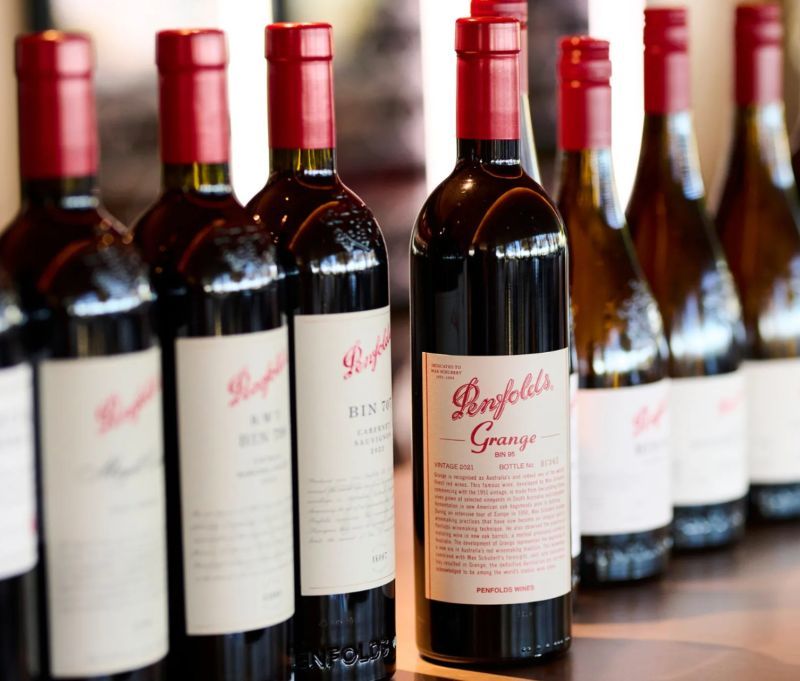
Penfolds increased its market share in China during fiscal 2026 even as it pulled roughly 200,000 cases out of the sales channel, a sign that the Australian wine brand is trading short-term revenue for tighter control over prices and distribution.
Treasury Wine Estates, the owner of Penfolds, said on Thursday that the brand’s share of Chinese e-commerce wine sales by value rose to 15.7% from 13.3%, an increase of 2.4 percentage points. In physical retail, its value share rose to 8.1% from 6.2%, up 1.9 percentage points. The market share figures were based on data from Nielsen and Smartpath, the company said.
At the same time, Treasury Wine Estates said inventory held by customers fell by about 200,000 nine-liter cases. That is equal to 1.8 million liters of wine and represents about half of the total inventory reduction the company plans to achieve.
The figures show a strategy that is unusual for a premium wine brand trying to expand in China. Penfolds is gaining share with consumers and retail partners, but it is also deliberately limiting shipments into the market. Treasury Wine Estates said that approach is meant to reduce excess stock in customer hands and curb parallel imports, the practice in which goods enter the market outside the brand’s authorized distribution network. For wine producers, that can weaken price discipline, create uneven supply and make it harder to manage a luxury positioning.
The company’s sales-out performance in China was strong. Treasury Wine Estates said Penfolds trade depletions, which track sales from distributors into the market rather than shipments from the producer, rose 34.7% by value in China during the fiscal year. In the rest of Asia, those depletions increased 18.1%.
That growth, however, did not fully translate into higher reported revenue. Treasury Wine Estates said global revenue for Penfolds fell 7% to A$998.3 million in fiscal 2026. The decline, the company said, was largely the result of the intentional reduction in shipments and its efforts to regain control over how the brand is imported and sold.
The company also cautioned that not all of the growth in China reflected new consumer demand. About half of the increase in Chinese depletions came from sales that were previously happening through parallel imports and have now shifted back into the authorized channel, Treasury Wine Estates said. That means the 34.7% rise in channel sales overstates the pace of fresh demand growth, even if it still points to better execution in the market.
The distinction matters because Penfolds is one of Australia’s most prominent wine labels and China remains one of the most closely watched markets for premium imported wine. For a brand at the top end of the category, market share gains are valuable, but so is keeping scarcity, price consistency and distributor discipline. Treasury Wine Estates’ latest results suggest it is trying to do both, even if that means accepting lower revenue in the near term.
By reducing stock already sitting with customers, the company is also trying to improve the health of the supply chain. Heavy inventories can lead wholesalers and retailers to discount wine to clear stock, which can damage a brand’s position, especially in premium segments. Lower inventory coverage can also make future shipments more predictable and give a producer a clearer read on real consumer demand.
The 200,000-case reduction is significant in scale. Treasury Wine Estates said it accounts for about half of the total drawdown it wants to make in the channel. That indicates the company still has more inventory work to do, but it also suggests that the reset is already well advanced.
For Penfolds, the numbers from China show two movements happening at once. The brand is taking share both online and in stores, and its sales through the trade are rising. But the company is also holding back supply and accepting a hit to reported revenue while it tries to normalize inventories and move more business into official channels. Treasury Wine Estates’ update makes clear that, for now, it sees tighter control of distribution as worth more than immediate sales volume.
