Champagne Is Heading for a Harvest at Least 12 Days Ahead of Average
Producers expect picking to start around Aug. 20, with some vineyards potentially opening by Aug. 15 pending official approval.
2026-08-06
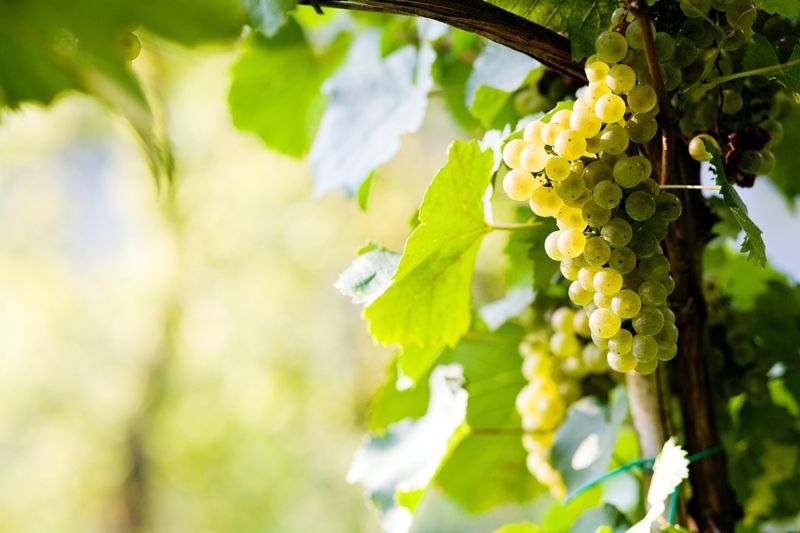
Champagne producers are preparing for one of the earliest harvests in recent years, while the region’s industry body has again lowered the amount of wine that can be marketed from the 2026 crop in an effort to keep inventories under control.
Current estimates in Champagne point to grape picking beginning between Aug. 20 and Aug. 25, with some vineyards possibly starting around Aug. 15 if ripening continues at the current pace. That would put the start of the harvest at least 12 days earlier than the recent average, according to industry information reported in France and data from the Comité Champagne. The timing remains a forecast, not a final calendar, and the legally binding dates still have to be set for each municipality and grape variety by the region’s ripening network before they are officially published.
The early timetable reflects how quickly the vines have moved through the season. In Champagne, harvest dates are closely watched because they shape staffing, logistics, fruit quality and the pace of work across one of the world’s most tightly regulated wine regions. Houses, growers and cooperatives need several weeks of planning before the first grapes come in, especially in a region where different villages and varieties can be authorized to start on different days.
At the same time, Champagne’s interprofessional bodies have decided to reduce the authorized marketable yield for the 2026 crop to 8,800 kilograms of grapes per hectare. The figure was set on July 22. It is down from 9,000 kilograms per hectare in 2025, a cut of 200 kilograms per hectare, or 2.2%. In practice, the cap limits the volume that can be turned into Champagne for sale and is one of the main tools the region uses to balance supply with demand.
The decision shows that the industry is still acting cautiously after a period of softer market conditions. Champagne producers have been trying to avoid building up too much stock, even as exports have shown some improvement. In the first half of the year, shipments reached 107.1 million bottles, up 1.2% from the same period a year earlier. That increase was driven by foreign markets, while sales in France continued to decline.
The split between exports and the domestic market matters in Champagne because the region depends heavily on its global customer base. A small rise in shipments can offer some relief to producers and major houses, but it does not automatically change supply policy when inventories remain high and the French market stays weak. By trimming the authorized yield again for 2026, the industry is signaling that it wants to support pricing and avoid adding too much wine to cellars, even with export demand showing a modest rebound.
For growers, the new cap means less flexibility on the volume that can be sold from the coming crop, at a time when the season itself is moving faster than usual. An early start to the harvest can also create pressure in the vineyards and at the presses, since crews, transport and winery operations all have to be ready sooner. In Champagne, where the harvest is still largely organized around hand-picking and strict pressing rules, a difference of 10 days or more can reshape the entire campaign.
The coming weeks will determine whether the first grapes are actually cut as early as mid-August. Ripening levels still need to be checked plot by plot, and the official start dates will only be fixed once the maturity network has reviewed conditions across the appellation. Until then, producers are working with a clear signal from the market side and a less certain one from the vineyards: the 2026 harvest is expected to arrive unusually early, but the amount of Champagne that can come from it has already been reduced.
